
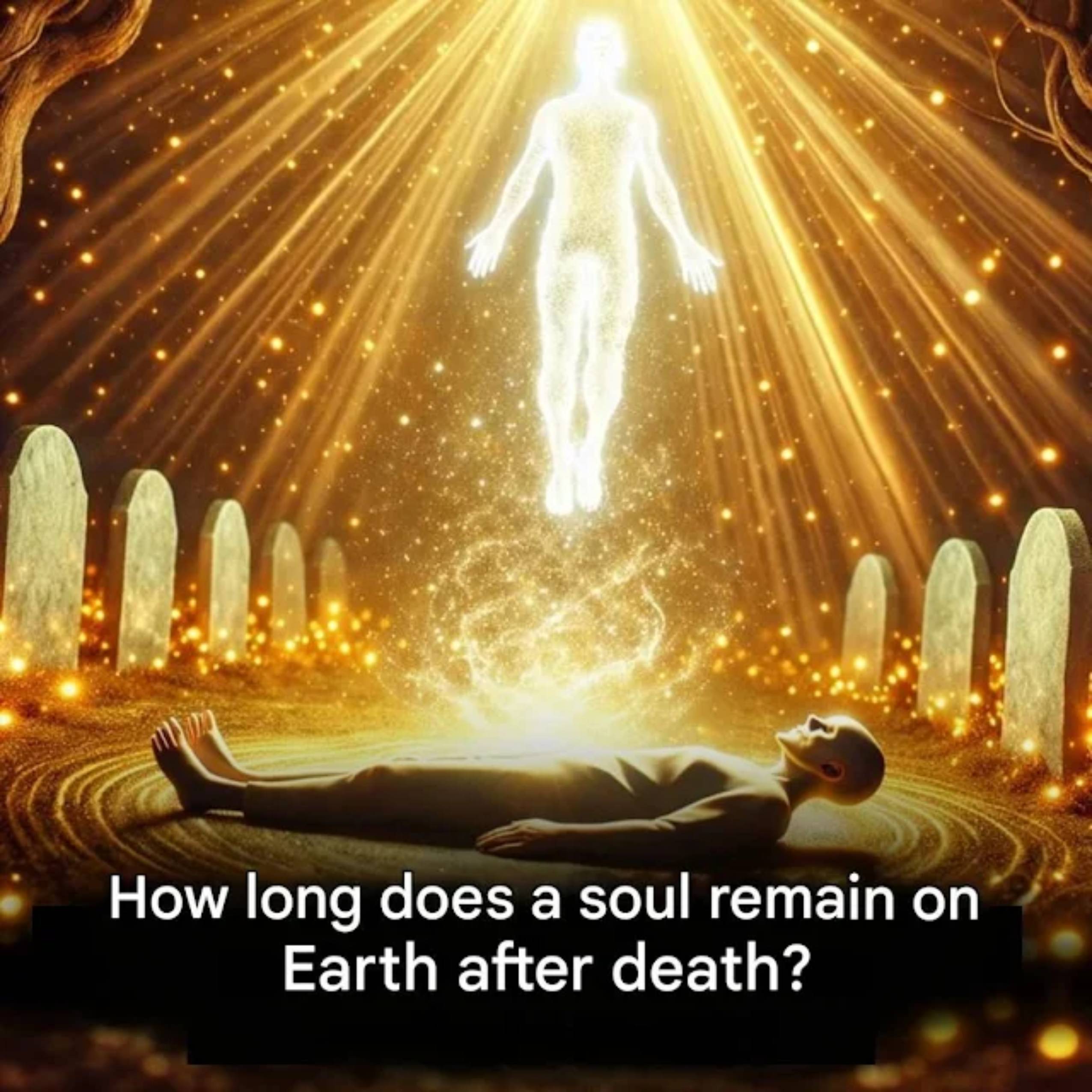
Spiritualism and Modern Metaphysical Thought
Spiritualist traditions offer specific teachings about the soul's transition:
Gradual awakening: The soul may not immediately realize it has died, especially in sudden or traumatic deaths. A period of adjustment follows.
Greeting by loved ones: Souls are often met by deceased loved ones and spiritual beings who help them transition.
Earthbound spirits: Souls that are confused, attached, or have unfinished business may linger near Earth, sometimes becoming what are called "earthbound spirits."
No fixed timeline: The period of lingering varies based on the soul's readiness to move on.
Timeframe: Highly variable—from immediate departure to extended periods if the soul is attached or confused.
Common Threads Across Traditions
Despite their differences, these traditions share remarkable commonalities:
1. Death Is a Process, Not an Instant
Nearly every tradition describes a period of transition—hours, days, or weeks—during which the soul adjusts to its new state.
2. Rituals Help the Soul Move On
Funeral rites, prayers, and ceremonies are understood not just for the living but as genuine assistance to the deceased. They help guide the soul, prevent it from becoming trapped, and ensure a smooth transition.
3. Attachment Can Delay Departure
Souls that are deeply attached to people, places, or unfinished business may linger. This is seen as undesirable—a state that requires help to move beyond.
4. Loved Ones May Be Aware
Many traditions describe the soul as being aware of the living during this transition period, which is why prayers, offerings, and remembrances matter.
5. The Soul Ultimately Continues Its Journey
Whether to heaven, rebirth, ancestral realms, or union with the divine, the soul's time on Earth is temporary. Lingering is a phase, not a permanent state.
What This Means for the Grieving
If you're mourning a loved one, these teachings offer several sources of comfort:
Their presence may still be near. The soul doesn't simply vanish. There may be a period—days, weeks, or longer—during which they remain aware and accessible in some way.
Your prayers and remembrances matter. Across traditions, the living can help the deceased through rituals, prayers, and loving remembrance.
Grief has no timeline. If you feel your loved one's presence long after their passing, that doesn't mean you're "not letting go." Different souls move at different paces.
Death is not the end. Every tradition affirms this. The form changes, the location changes, but the soul's journey continues.
The Bottom Line
How long does the soul remain on Earth after death? The answer depends entirely on whom you ask:
Christianity: Immediate departure to be with God (for believers)
Islam: Immediate entry into Barzakh, awaiting judgment
Judaism: Up to twelve months of transition
Hinduism: Days to weeks before continuing the cycle of rebirth
Buddhism: 49 days in the Bardo before rebirth
Indigenous traditions: Often four days before journeying to the spirit world
Spiritualism: Variable, based on the soul's readiness
But across every tradition, one truth remains: death is not an ending but a transformation. The soul continues. Love continues. And in some way, connection continues—not as it was, but as it now can be.
For those left behind, that is comfort enough.
