
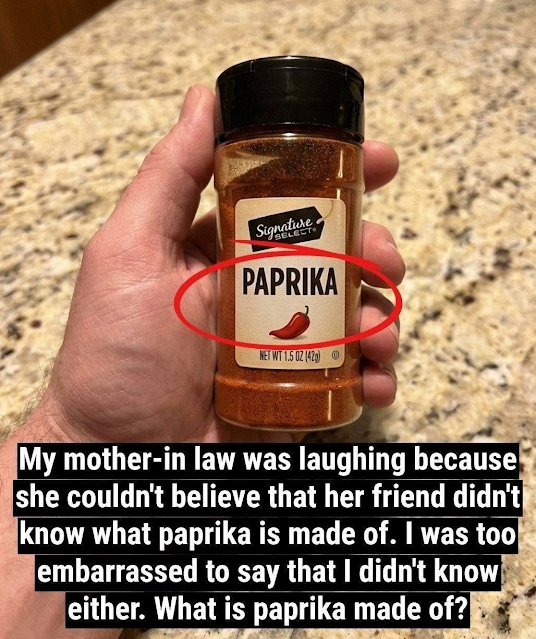
Including these parts can make the paprika spicier, while removing them results in a milder spice.
The grinding process produces the bright red powder that is packaged and sold as paprika.
Why Paprika Is So Red
One of the most striking features of paprika is its vivid red color.
This color comes from natural compounds called carotenoids, which are pigments found in many fruits and vegetables.
Carotenoids are also responsible for the orange color of carrots and the red color of tomatoes.
In paprika peppers, these pigments become especially concentrated during ripening and drying. The result is a vibrant spice that adds both color and flavor to food.
Paprika Around the World
Paprika is used in many cuisines, but certain countries are particularly famous for their paprika traditions.
Hungary
Hungary is often considered the spiritual home of paprika. Hungarian cuisine features paprika in numerous traditional dishes, including hearty stews and meat recipes.
Hungarian paprika is known for its rich flavor and comes in several varieties ranging from mild to strong.
Spain
Spain produces smoked paprika, which is widely used in Spanish cooking. Spanish paprika varieties often carry deep, smoky notes thanks to their drying process over oak wood fires.
Other Regions
Paprika is also produced in other countries with suitable climates, including parts of Central Europe, South America, and Asia.
As global demand for spices grows, paprika cultivation continues to expand into new regions.
Paprika’s Nutritional Benefits
Beyond its culinary uses, paprika also contains beneficial nutrients.
Because it is made from peppers, paprika naturally contains:
Vitamin A
Vitamin E
Antioxidants
Capsaicin (in spicier varieties)
These compounds contribute to the spice’s bright color and may support overall health when included as part of a balanced diet.
Although paprika is typically used in small amounts, it still provides concentrated plant compounds that add nutritional value to meals.
Common Misconceptions About Paprika
Many people confuse paprika with other spices. Here are a few common misconceptions.
Paprika vs. Chili Powder
Chili powder is usually a blend of several spices, including chili peppers, cumin, garlic powder, and oregano.
Paprika, on the other hand, is typically pure ground pepper without added spices.
Paprika vs. Cayenne
Cayenne pepper is made from a specific variety of hot chili pepper and is much spicier than most types of paprika.
Paprika can range from mild to moderately spicy, but it rarely reaches the heat level of cayenne.
How to Store Paprika
Like many spices, paprika gradually loses flavor over time if it’s not stored properly.
To keep paprika fresh:
Store it in an airtight container
Keep it away from heat and sunlight
Use it within six to twelve months
Over time, paprika may lose its vibrant color and become dull in flavor, so replacing old spices periodically helps maintain the best taste in your cooking.
Creative Ways to Use Paprika
Paprika is incredibly versatile and can be used in many ways beyond simple seasoning.
Here are a few ideas:
Sprinkle it over roasted potatoes for color and flavor
Mix it into marinades for grilled meats
Add it to soups and stews for depth
Use smoked paprika to enhance vegetarian dishes
Blend it with olive oil for a flavorful dip
Because paprika is relatively mild, it pairs well with many other spices and ingredients.
Final Thoughts
Paprika may seem like a simple spice, but its story is surprisingly rich. Made from carefully grown, dried, and ground peppers, it represents centuries of agricultural tradition and culinary creativity.
From sweet and mild varieties to smoky and spicy versions, paprika offers a range of flavors that can transform ordinary dishes into something special.
The next time you reach for that bright red powder in your spice rack, remember that it started as a humble pepper—grown in the sun, dried with care, and ground into one of the world’s most beloved spices.
Understanding what paprika is made of not only answers a common question, but also reveals the fascinating journey behind a seasoning that adds color, warmth, and flavor to kitchens around the globe.
