
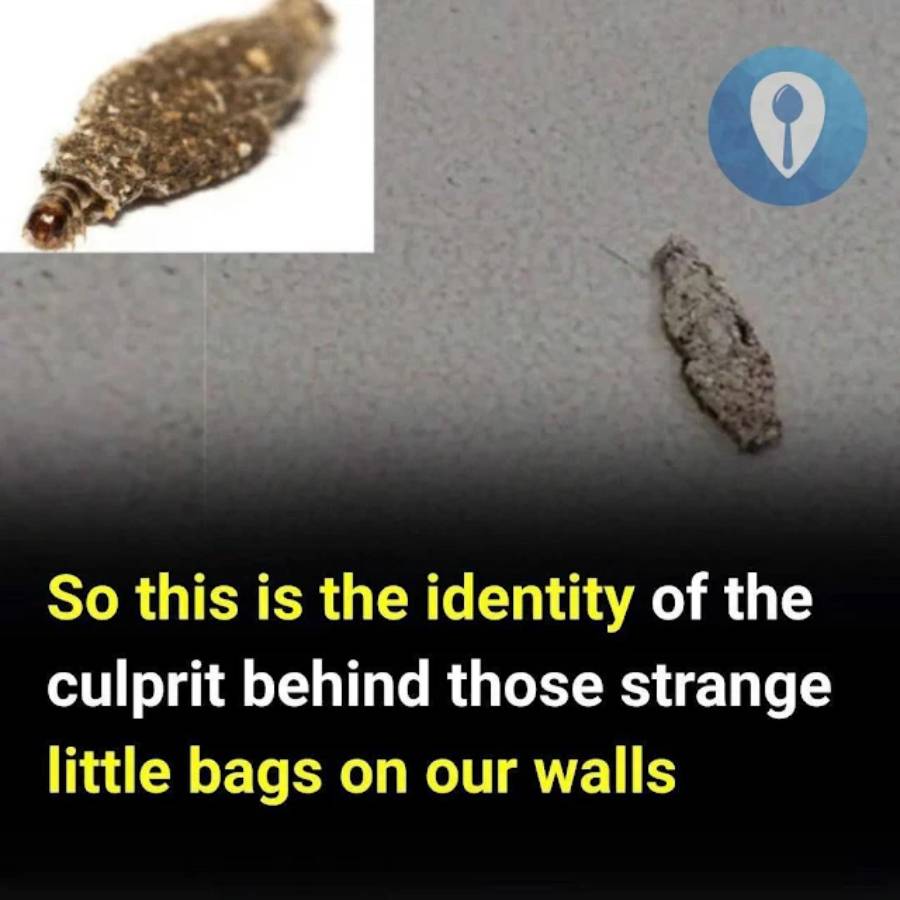
May look like tiny, silky capsules or rough, webbed bundles
🦋 These are resting stages of moths like:
Clothes moths (in closets, feeding on wool/fabric)
Pantry moths (near kitchens, from infested grains)
✅ Signs of an infestation — inspect nearby items
❌ Don’t ignore — they can damage clothing or food supplies
🧼 Fix: Clean thoroughly, vacuum crevices, store dry goods in sealed containers.
3. Mud Dauber Nests
Cylindrical, tube-like mud structures
Often under eaves, porches, or garage walls
🐝 These solitary wasps build nests out of mud and stock them with paralyzed spiders — food for their young.
✅ Non-aggressive — rarely sting unless handled
🟢 Actually beneficial: They control spider populations
🛠️ Remove only if in high-traffic areas — best done in winter when inactive.
❌ Other Possibilities (Less Common)
|
Structure
|
What It Might Be
|
|---|---|
|
✅ Blisters in paint or wallpaper
|
Moisture buildup — not biological
|
|
✅ Galls on outdoor walls near vines
|
Plant reactions to insect larvae (e.g., on ivy)
|
|
✅ Dried-up insect husks
|
Empty exoskeletons from crickets or beetles
|
🔍 Use a flashlight and magnifying glass to examine closely — or snap a photo for identification apps like iNaturalist.
🚫 What NOT to Do
|
Action
|
Why It’s Risky
|
|---|---|
|
❌ Squishing blindly
|
Could release hundreds of eggs or irritate stinging insects
|
|
❌ Using chemical sprays unnecessarily
|
Harmful to pets, kids, and beneficial bugs
|
|
❌ Ignoring moth signs
|
Can lead to larger infestations in pantry or closet
|
|
❌ Removing nests in summer
|
Active wasps may defend their home
|
📌 When in doubt — observe first, act second.Athletic Shoes
✅ Safe Ways to Handle Them
