
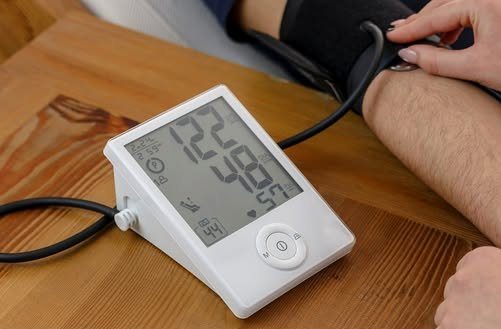
Normal Blood Pressure: Helpful Guidelines by Age
As we age, our arteries naturally become a little less flexible. Because of this, a slight increase in blood pressure over the years is normal and often harmless.
Here’s a general guide to help you understand what’s typically considered normal:
| Age | Average Blood Pressure (mmHg) |
|---|---|
| 18–29 years | 115–120 / 75–80 |
| 30–39 years | 120–125 / 78–82 |
| 40–49 years | 125–130 / 80–85 |
| 50–59 years | 130–135 / 80–86 |
| 60–69 years | 135–140 / 85–88 |
| 70+ years | Up to 140–145 / 85–90 (generally tolerated) |
👉 These numbers are guidelines, not verdicts. Only a healthcare professional can provide a diagnosis tailored to your personal situation.
When Should You Be Concerned?
Blood pressure is usually considered high when readings consistently reach 140/90 mmHg or above.
On the other end of the spectrum, values below 90/60 mmHg indicate low blood pressure, which can also cause symptoms such as fatigue, dizziness, or faintness.
One important thing to remember: a single measurement doesn’t tell the whole story. Blood pressure fluctuates throughout the day. Stress, physical activity, or even a rushed appointment can temporarily raise it.
Occasional high readings? No need to panic.
Repeated high readings over time? That’s when it’s wise to consult your doctor.
Why Does Blood Pressure Increase with Age?
Imagine an old garden hose: over time, it becomes stiffer and less flexible. Our arteries behave in a similar way.
-
Arteries gradually lose elasticity
-
The heart has to work harder to push blood through them
-
The body regulates pressure less efficiently
As a result, slightly higher blood pressure after the age of 60 is often considered acceptable—as long as there are no additional risk factors and you feel well overall.
