
See more
Laundry
Kitchenware and tableware
Marine and aquatic sciences
…they come out spotless and streak-free, with no effort!
(Another great piece from Dutch; here is a natural Polish translation of this part of the article!)
For many people, cleaning windows isn't exactly a favorite household chore. You spend a good amount of time soaping, scrubbing, and drying, thinking you’re finally done. But as soon as the sun hits the glass, you suddenly see them: streaks and spots all over the surface. It’s incredibly frustrating, as it feels like you have to start all over again. Fortunately, there is a tried-and-true old trick that can make window cleaning much easier. Best of all, the key ingredient is likely already in your kitchen cupboard.
Often, the problem only becomes apparent once you’ve finished. While you’re washing, the glass usually looks perfectly clean. It’s only when the window starts to dry or the sunlight hits it that the streaks become visible. This can happen because detergent residue remains on the glass. If you use too much cleaning product, a thin film can form on the glass as it dries. That’s why using more detergent rarely leads to better results.
A simple trick: a splash of vinegar
You don’t need an expensive professional cleaner for this trick. All you need to add to your usual cleaning solution is a splash of household vinegar. Prepare a bucket of water as usual and add a splash of vinegar. Then, you can wash the windows in the usual way. Vinegar has long been used for various household cleaning tasks and is especially popular for surfaces prone to limescale buildup and other types of dirt.
Here’s how to do it
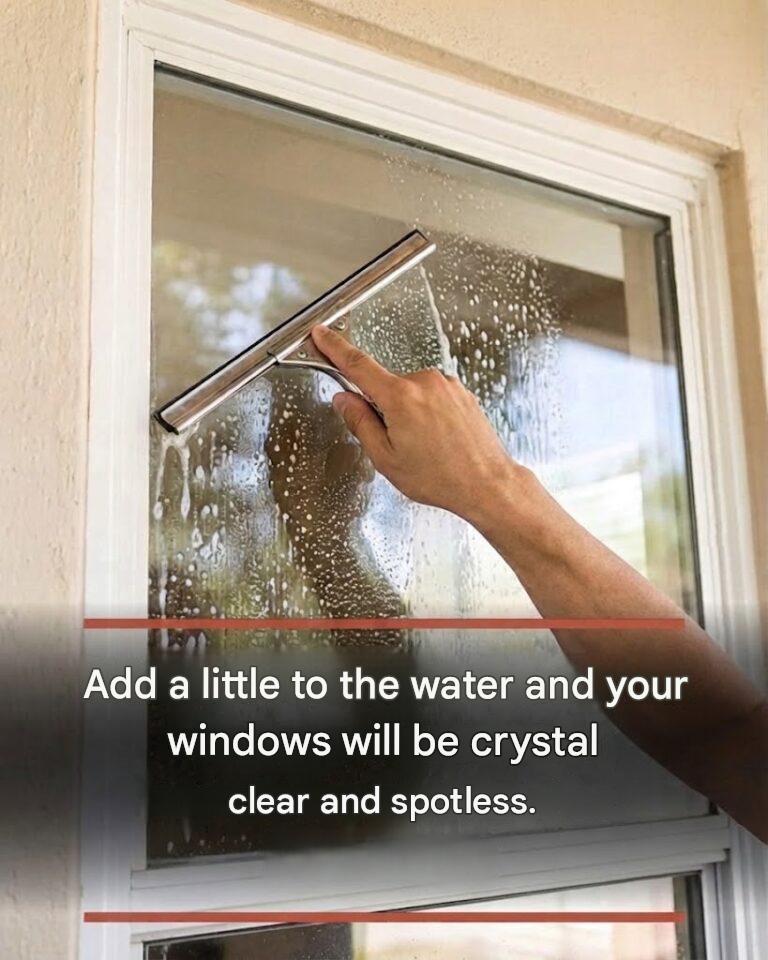
Ideally, start by removing grit, dust, and other loose debris from the glass and frame. This prevents you from spreading dirt across the glass while washing. Next, prepare a water-based solution and add a small amount of household vinegar. Wash the window from top to bottom and use a squeegee to remove the water. A key tip is to regularly wipe the squeegee blade with a clean cloth while you work; otherwise, you risk dragging the water you just removed back across the glass.
Above all, avoid using too much detergent—it’s a very common mistake. It might seem like adding a generous amount of all-purpose cleaner or dish soap will leave the window spotless, but the result can be quite the opposite. Excess soap in the water can leave residue on the glass, appearing as annoying streaks or marks once the window dries. That’s why a minimal amount is usually sufficient.
But what if marks appear anyway? This is where a classic, tried-and-tested trick comes in handy: newspaper. If you still see marks after washing the window, you can gently rub the dry glass with a crumpled sheet of newspaper. This helps remove any residue while simultaneously polishing the glass. Don't have newspaper at home? You can also use a clean, dry microfiber cloth.
Also, choose the right time. Another useful tip: try to avoid washing windows when they are exposed to intense, direct sunlight. The heat can cause the water to dry too quickly, leading to dried droplets and streaks before you even have a chance to use the squeegee. That’s why a cloudy but dry day is usually much better for this task.
A simple solution you probably already have on hand
The best thing about this trick is its simplicity. You don't need a cupboard full of sprays and specialized cleaning products. All you need is water, a little detergent, a splash of household vinegar, and a good squeegee. And if you notice any annoying marks afterward, you can easily remove them with a dry cloth or a piece of newspaper.
Do you often find that you only notice streaks after you’ve finished washing the windows? Next time, try adding a little vinegar to the water.
See more
Fashion services
Soap and dishwashing detergent
Bottled water
