
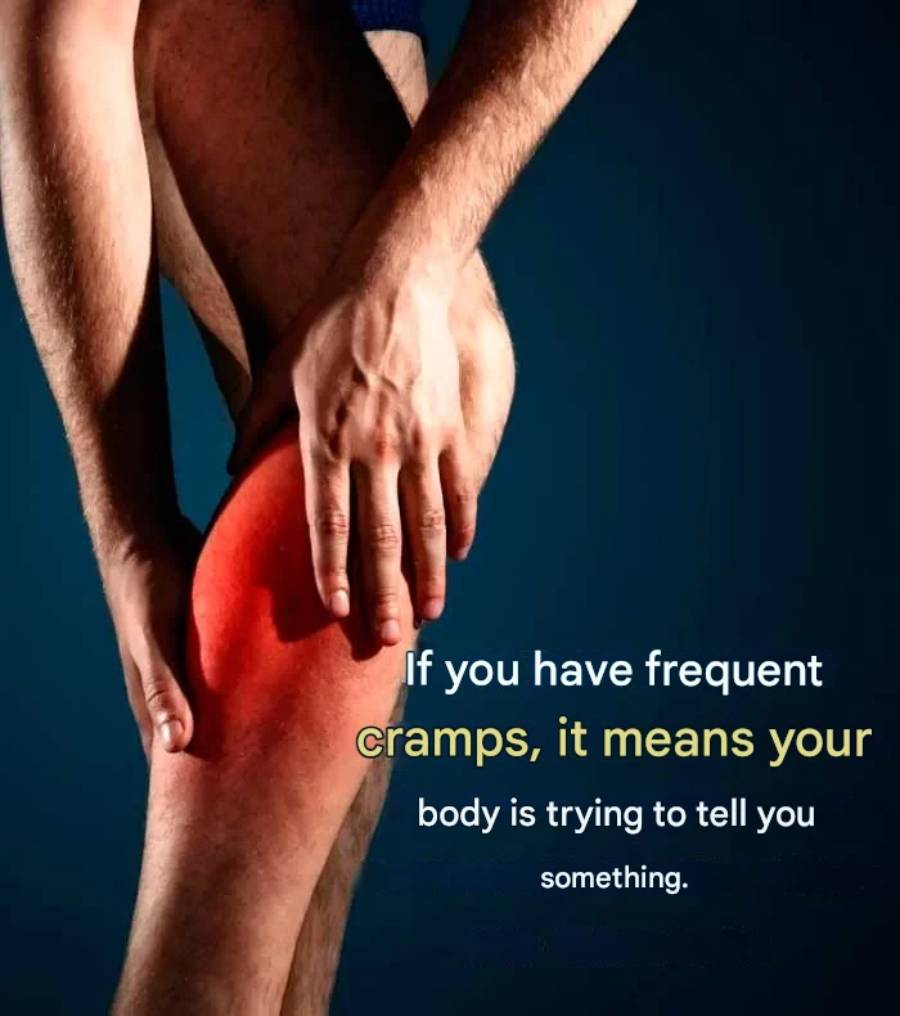
Proper actions during an attack can help reduce pain and avoid complications:
Elevate your legs to improve venous return;
Grab your toes and slowly dorsiflex them;
A slight pinching or tingling sensation is acceptable;
If you have a cramp in the water, remain calm and swim to shore using your arms;
After the spasm subsides, give your body time to recover.
Approaches to Treating Cramps
Effective treatment is only possible after an accurate diagnosis. Cramps are not a standalone condition, so therapy is aimed at eliminating the underlying cause.
The most common factors requiring correction are:
iron deficiency and anemia;
thyroid dysfunction;
magnesium, vitamin, and mineral deficiencies;
fluid-salt imbalance;
a sedentary lifestyle.
Particular attention should be paid during pregnancy, when the need for micronutrients increases significantly.
Cramp Prevention and Lifestyle
People prone to cramps are advised to follow simple but effective preventative measures:
regularly take vitamin and mineral supplements;
eat a balanced and varied diet;
drink at least 30 ml of water per 1 kg of body weight;
perform muscle stretching exercises;
Get massage therapy if needed;
Avoid hypothermia;
Monitor your blood sugar if you have diabetes;
Prevent leg swelling and prolonged sitting.
When to see a doctor
If cramps occur regularly, worsen, or are accompanied by other symptoms, you should see a doctor as soon as possible and undergo a full medical examination. Early identification of the cause significantly increases the effectiveness of treatment and reduces the risk of complications.
Conclusion
Cramps are not a harmless phenomenon, but an important signal from the body that something is wrong. Paying close attention to your health, practicing prevention, and receiving timely treatment will help avoid serious consequences.
If you found this article helpful, please share it with your friends, subscribe to updates, and bookmark this site to stay up-to-date with important health content.
