
7. Nutmeg
In small culinary amounts, nutmeg is safe. In large doses, it can cause hallucinations, nausea, rapid heartbeat, and even seizures.
8. Death Cap Mushrooms
One of the most dangerous mushrooms, capable of causing liver failure.
The risk lies in misidentification—only experts should forage wild mushrooms.
9. Rhubarb Leaves
The stalk is safe to eat, but the leaves contain oxalic acid, which can cause kidney damage and digestive issues.
10. Raw Kidney Beans
Kidney beans contain a toxin that is only neutralized by proper boiling.
Cooking them improperly—especially in slow cookers without boiling—can increase toxicity.
Why People Still Eat These Foods
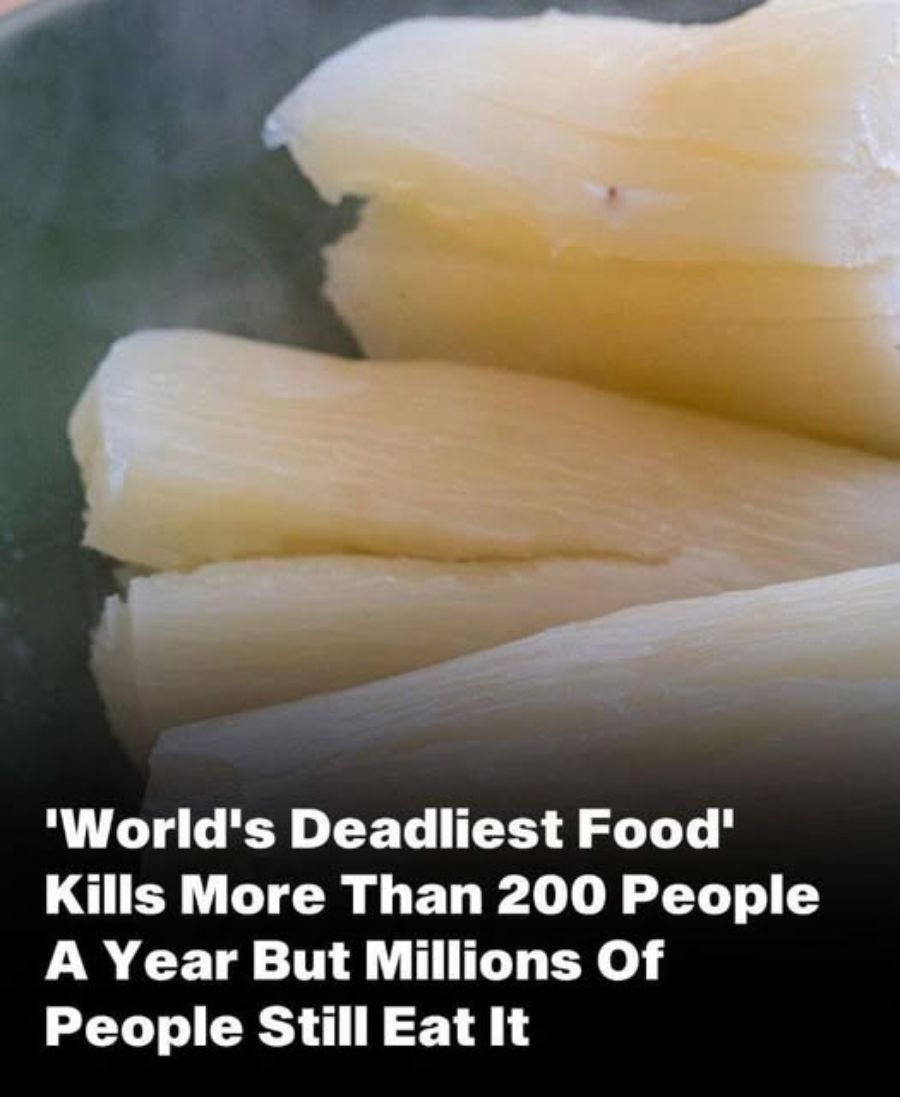
Necessity: Cassava sustains millions where alternatives are limited
Tradition: Some foods are deeply rooted in culture
Lack of awareness: Not everyone knows the risks
Controlled risk: Some foods are consumed with strict preparation methods
Most dangers come from improper handling—not the foods themselves.
Nature’s Quiet Warning
Many plants produce toxins as a natural defense. Humans learned to make them safe through cooking, soaking, fermenting, and careful preparation.
Safety Tips
Follow proper cooking methods
Avoid wild foraging without expertise
Store food correctly
Use ingredients in moderation
Final Thought
Food can nourish or harm—the difference is knowledge.
Handled correctly, even the most dangerous foods can be part of daily life. Handled carelessly, even common ingredients can become a problem.
The lesson is simple: awareness turns risk into safety.
Which of these surprised you the most?
