
2. Polycystic Ovary Syndrome (PCOS) in Women
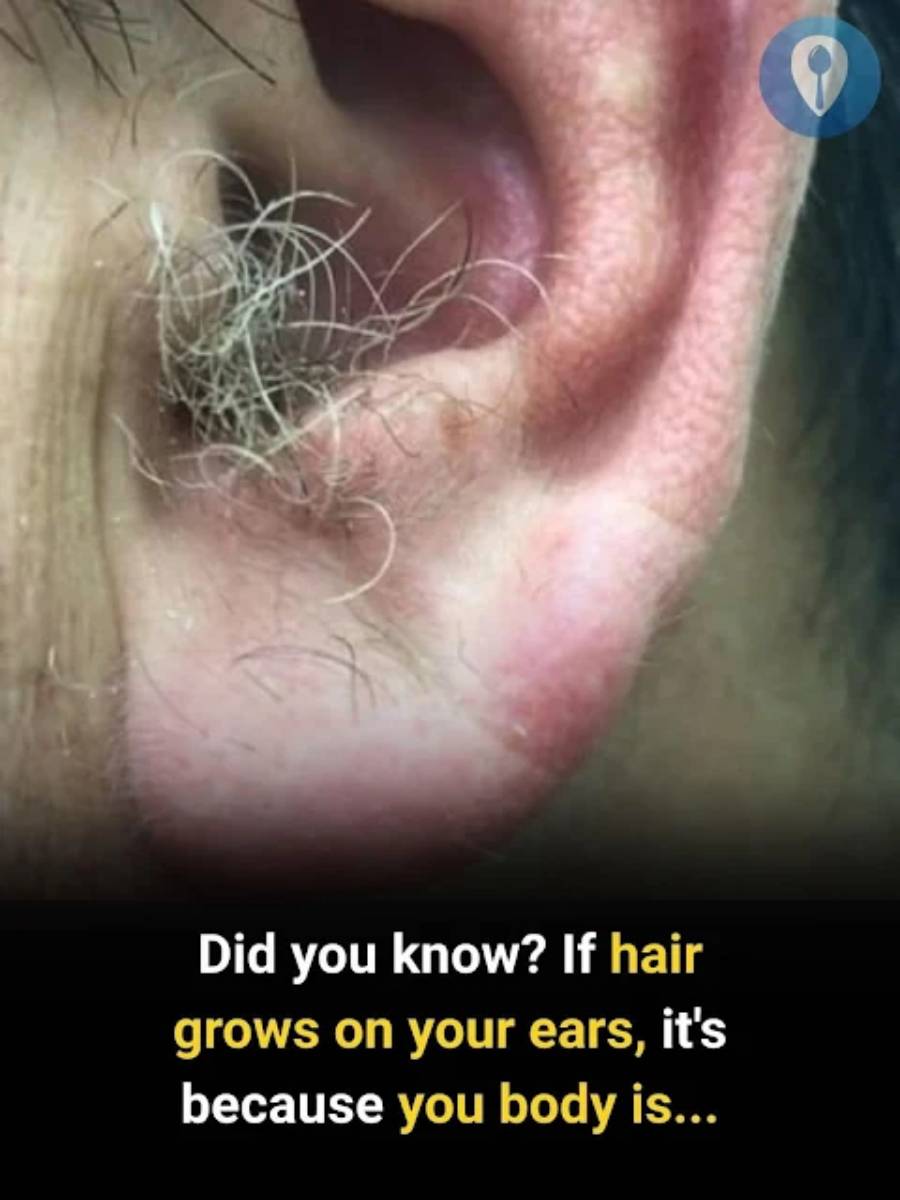
While ear hair is more common in men, women who develop coarse ear hair may have hormonal imbalances.
What it might mean:
PCOS causes excess androgens, leading to hirsutism (excess hair growth) in male-pattern areas
Other signs include irregular periods, acne, and scalp hair thinning
When to see a doctor: If you're a woman with unexpected ear hair plus other hormonal symptoms.
3. Congenital Adrenal Hyperplasia (CAH)
This genetic condition affects adrenal gland function and can cause excess androgen production, leading to early or excessive hair growth.
4. Medication Side Effects
Certain medications can trigger hair growth, including:
Some blood pressure medications
Certain seizure drugs
Anabolic steroids
Cyclosporine (immunosuppressant)
What Ear Hair Is Usually NOT a Sign Of
Despite internet rumors, ear hair is not a reliable indicator of:
Heart disease
Stroke risk
Cancer
Overall mortality
These claims are not supported by medical evidence.
The "Ear Hair and Heart Attack" Myth
You may have seen headlines claiming that ear hair predicts heart attacks. This myth originated from a single, small, poorly designed study in the 1970s. Subsequent research has not confirmed any link between ear hair and cardiovascular disease.
The bottom line: Ear hair is not a predictor of heart health. Focus on established risk factors like blood pressure, cholesterol, smoking, and family history.
Grooming and Hygiene Considerations
While ear hair itself isn't harmful, it can trap debris and wax, potentially leading to:
