
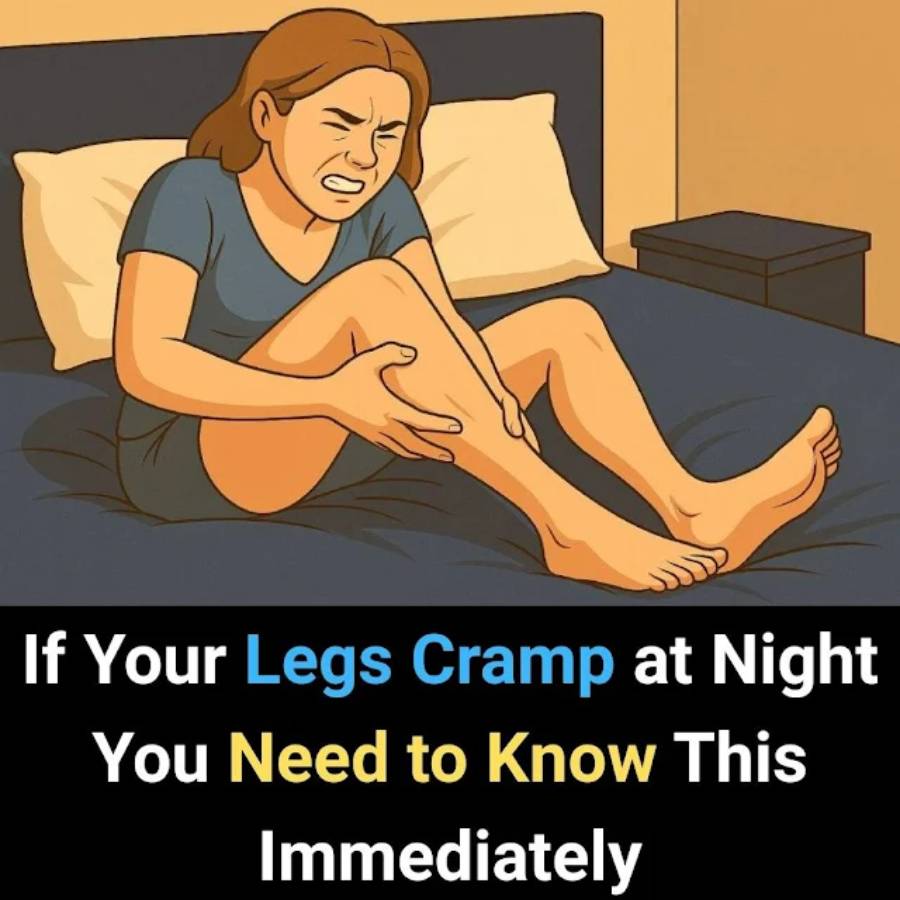
A warm towel, heating pad, or hot water bottle can help increase blood flow
Heat encourages the muscle to relax
4. Walk It Out
Once the acute pain subsides, walk around on your heels for a minute
This keeps the muscle in a stretched position and prevents re-cramping
5. Elevate
If swelling occurs, elevate your leg to reduce fluid accumulation
How to Prevent Night Leg Cramps
1. Hydrate Strategically
Drink plenty of water throughout the day
If you sweat heavily, consider an electrolyte drink
Limit caffeine and alcohol (both are diuretics)
2. Prioritize Magnesium
This is the #1 supplement for night cramps. Magnesium helps muscles relax.
Food sources:
Leafy greens (spinach, kale)
Nuts and seeds (almonds, pumpkin seeds)
Beans and lentils
Avocados
Bananas
Supplement: Magnesium glycinate or citrate, 200-400 mg taken in the evening. Consult your doctor first, especially if you have kidney issues.
3. Increase Potassium
Food sources:
Bananas (the classic)
Sweet potatoes
Avocados
Potatoes with skin
Coconut water
Oranges
4. Daily Stretching (Non-Negotiable)
Calf stretch: Face a wall, place hands on it, step one foot back. Keep back leg straight and heel on the floor. Lean forward until you feel a stretch in the calf. Hold 30 seconds, 3 times per leg. Do this twice daily, especially before bed.
Bedtime routine: Before sleep, do gentle ankle circles and point/flex your feet 10-15 times.
5. Review Your Sleep Setup
Use looser bedding at the foot of the bed (tight sheets can keep feet pointed)
Try sleeping on your back with a pillow under your knees
Or sleep on your side with a pillow between your knees
Avoid tight, restrictive pajamas around the calves
6. Move Throughout the Day
If you have a sedentary job, stand and stretch for 2-3 minutes every hour.
7. Consider Your Shoes
Poor foot support during the day can lead to muscle fatigue and night cramps. Supportive shoes matter.
Quick Home Remedies That Help
Epsom salt bath before bed – Magnesium absorbs through skin
Warm compress on calves before sleep
Massage legs with magnesium oil or lotion
Stay warm – Cold can trigger cramps
When to See a Doctor
While night cramps are often benign, seek medical attention if:
⚠️ Cramps are severe, frequent, and disrupt your sleep regularly
⚠️ You notice swelling, redness, or warmth in the leg (possible blood clot)
⚠️ You have persistent muscle weakness after the cramp subsides
⚠️ Cramps are accompanied by numbness or tingling
⚠️ You're on new medications that might be causing side effects
⚠️ You have risk factors for vascular disease (smoking, diabetes, high blood pressure)
The Bottom Line
Night leg cramps are your body's way of asking for attention—often for more minerals, better hydration, or less strain. Most cases are easily fixed with simple lifestyle adjustments.
Start with the basics:
Drink more water
Eat potassium and magnesium-rich foodsFood
Stretch your calves daily, especially before bed
Review your sleep position
If cramps persist despite these changes, that's your cue to partner with your doctor for a deeper look.
You don't have to accept sleepless nights as your norm. Relief is possible.
