
Remove the drawer completely from the washing machine.
Rinse it under warm water to remove detergent residue.
Use an old toothbrush to scrub corners, crevices, and any moldy areas.
For stubborn buildup, soak the drawer in a solution of equal parts water and white vinegar for 30 minutes.
Dry the drawer thoroughly and slide it back into the machine.
Tip: Consider wiping down the surrounding compartment with a cloth soaked in vinegar to prevent mold from returning.
Step 2: Clean the Rubber Door Seal (Front-Loading Washers)
Front-loading washers are prone to mold and mildew in the rubber gasket around the door. This can trap water and debris, causing odors and potentially contaminating clothes.
How to clean the seal:
Open the washer door and inspect the gasket for dirt, hair, or small objects.
Mix a solution of one part water to one part white vinegar, or use a mild bleach solution for stubborn mold.
Soak a cloth in the solution and wipe the gasket thoroughly, pulling back the folds to clean hidden areas.
Dry completely with a clean towel to prevent further moisture buildup.
Extra Tip: Leave the door slightly ajar between washes to allow the gasket to dry completely, reducing mold growth.
Step 3: Run a Cleaning Cycle
Many modern washers have a dedicated “tub clean” or “clean washer” cycle. If yours does:
Add a cleaning agent, such as:
Washing machine cleaner tablets
1 cup of white vinegar
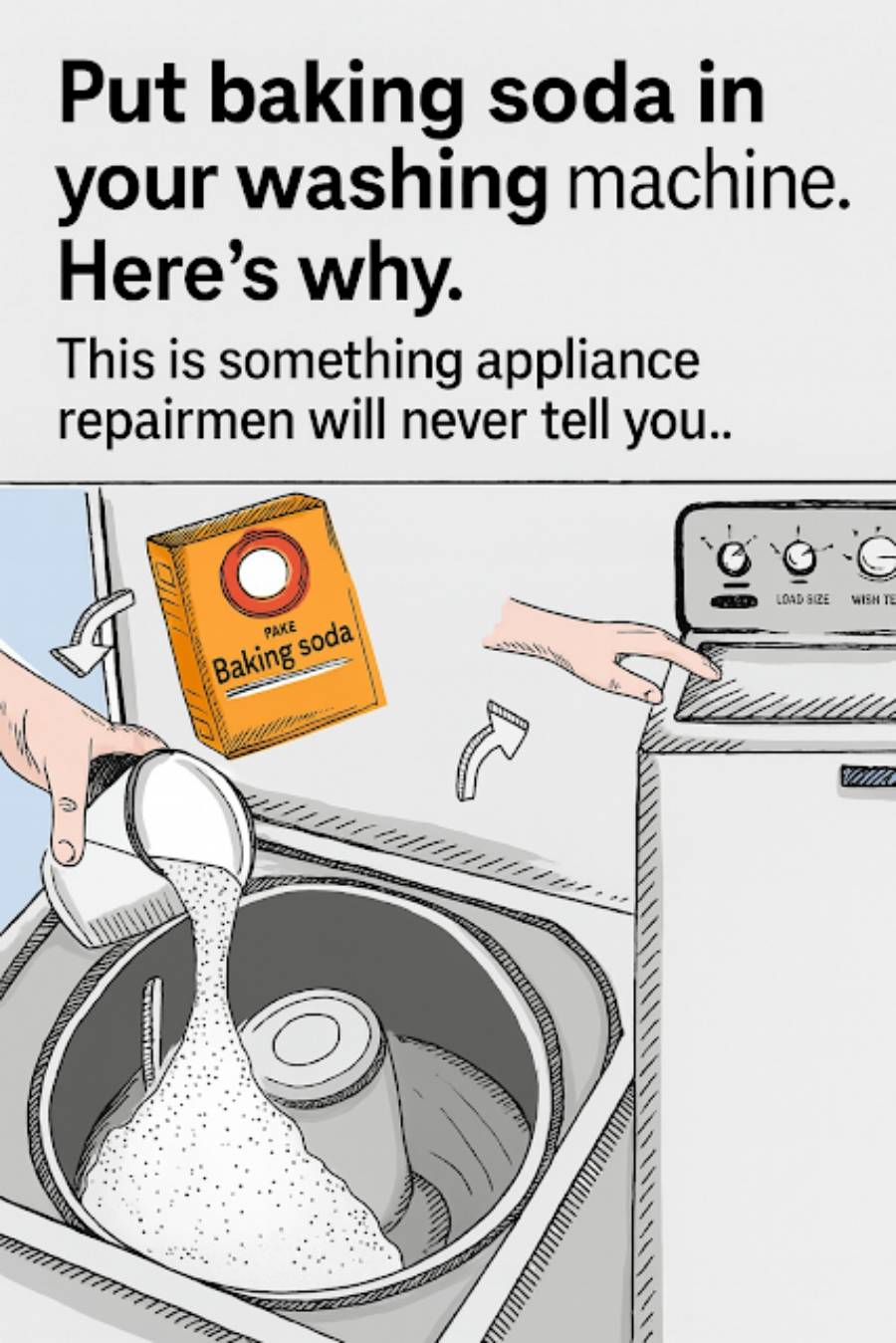
1/2 cup of baking soda (optional, for extra scrubbing power)
Run the cycle on the hottest water setting. Hot water helps dissolve detergent residue and kill bacteria or mold.
For Top-Loading Washers:
Fill the machine with hot water (largest load setting).
Add 4 cups of white vinegar and let the machine agitate for a few minutes.
Pause and let it sit for an hour before resuming the cycle.
Once complete, run an additional cycle with 1/2 cup of baking soda to neutralize any remaining odors.
Pro Tip: For heavily soiled washers, repeat the cycle once a month until the buildup is gone.
Step 4: Clean the Filter
Some washers have lint or debris filters that can get clogged over time. Check your user manual to locate the filter.
Remove the filter carefully.
Rinse under running water, removing any hair, lint, or residue.
Use a soft brush if needed to clean crevices.
Reinstall securely.
A clean filter improves water drainage and helps prevent foul odors or residue on clothes.
Step 5: Wipe Down the Drum and Exterior
Even after running a cleaning cycle, it’s important to wipe the interior and exterior:
Use a soft cloth with vinegar or mild dish soap to clean the drum’s interior, paying attention to small holes where water enters.
Wipe down the exterior, control panel, and lid to remove detergent splashes or dust.
Dry all surfaces thoroughly to prevent mold or rust.
Step 6: Maintain Your Washer Between Cleanings
After you’ve done a deep clean, it’s smart to adopt daily habits that prevent future buildup:
Leave the Door Open: Allows the drum to dry and reduces mold growth.
Remove Laundry Promptly: Don’t leave wet clothes sitting in the drum.
Use Proper Detergent: Avoid overusing detergent; follow manufacturer recommendations.
Clean the Gasket and Drawer Weekly: Quick wipes prevent residue and mold from forming.
Run a Hot Water Cycle Monthly: Even without a cleaning agent, a hot cycle flushes out residual detergent and debris.
Special Tips for Hard Water Areas
Hard water can leave mineral deposits in your washer and on your clothes. To combat this:
