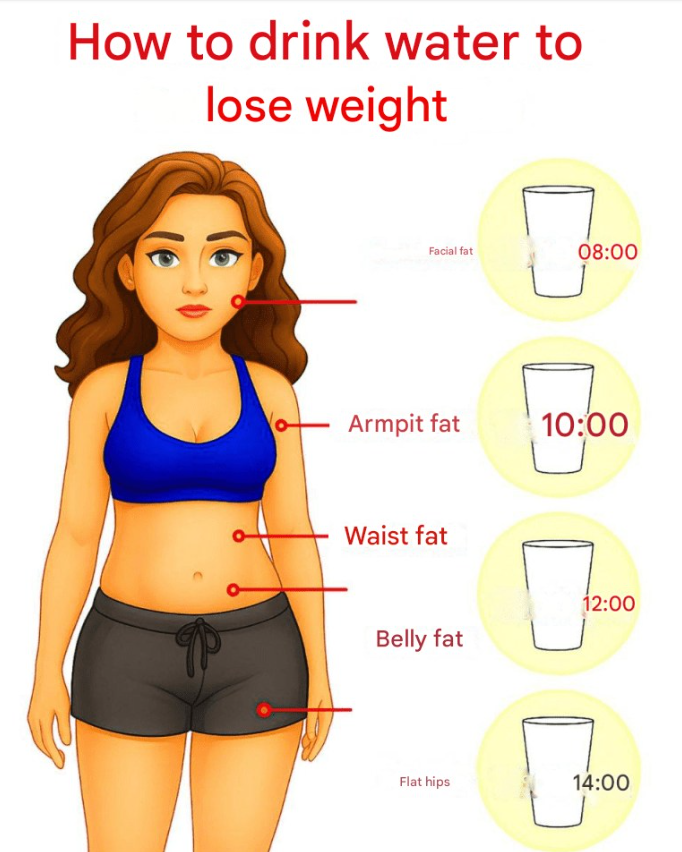
Time: 30 minutes before lunch
Amount: 240–300 ml
Why: This helps curb overeating by signaling fullness to the brain. Studies show that people who drank water before meals consumed fewer calories and lost more weight over time.
Tip: Avoid drinking large amounts of alcohol right before or during meals, as this can dilute stomach acid and impair digestion.
Afternoon: Stay energetic and alert
Time: Between lunch and dinner (approx. 2:00 PM–3:00 PM)
Quantity: 500 ml
Why: Many people experience an energy slump in the afternoon. Instead of reaching for caffeine or snacks, drink a glass of water to naturally refresh yourself.
Tip: Add cucumber, mint, or berries to your water to keep it interesting and flavorful without adding sugar.
Evening: Relax and support detoxification
Time: 1–2 hours before bedtime.
Amount: 240–300 ml
Why: This ensures you go to bed well-hydrated and supports regeneration and detoxification overnight. Proper hydration also reduces nighttime cravings and helps prevent thirst or bloating.
Note: Avoid drinking large amounts of water right before bedtime to avoid disrupting your sleep with toilet visits.
Advanced tips for staying consistent
1. Use a labeled water bottle
Invest in a reusable bottle with time markers or volume indicators to track your intake throughout the day.
2. Set reminders
Use phone alarms, apps, or smartwatch notifications to remind yourself to drink water regularly.
3. Track your progress
To ensure consistency, track your water intake using a diary or an app like MyFitnessPal or Water Tracker.
4. Eat foods with high water content
Include fruits and vegetables like cucumbers, watermelons, oranges, and tomatoes in your diet to supplement your fluid intake.
5. Listen to your body
Thirst, dry mouth, dark urine or fatigue are signs that you are not drinking enough. Adjust your intake accordingly.
Common mistakes to avoid
- Drinking too much at once : Drink gradually throughout the day instead of swallowing large amounts.
- Ignore electrolytes : Especially if you sweat a lot, balance your water intake with potassium- and magnesium-rich foods or consider adding a pinch of sea salt to your water.
- Overhydration : Drinking too much water can lead to hyponatremia (low sodium levels). Stick to the recommended limits unless your healthcare provider has advised otherwise.
Do you want to accelerate fat burning?
Try these 5 metabolism-boosting vegetables : low in calories, high in fiber, and packed with nutrients that support fat burning, energy, and hormone balance—especially helpful if you're working on flattening your stomach and toning your waist.
Final thoughts
Drinking water is a simple yet powerful tool in your weight loss arsenal. By following a structured daily water plan , you can boost your metabolism, reduce your appetite, and improve digestion—all important components of a successful weight loss plan.
Remember, water is not a miracle cure, but when combined with a balanced diet and regular exercise, it can make a significant difference. Start small, be consistent, and watch this simple habit transform your health and fitness journey.
