
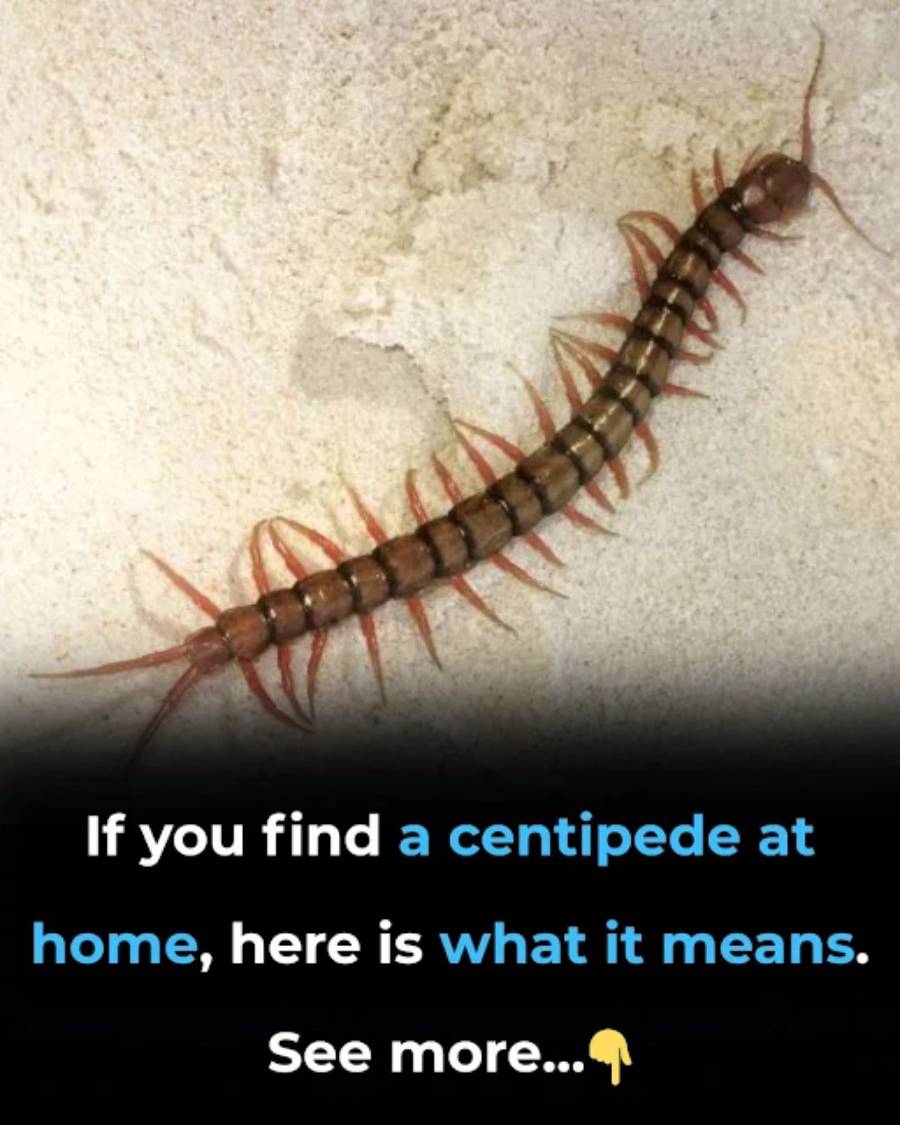
Some Native American tribes view the centipede as a symbol of:
Speed and agility – Moving quickly through challenges
Adaptability – Thriving in hidden, dark spaces
Protection – Its venomous nature represents the ability to defend oneself
In Japanese Folklore
Centipedes (mukade) are complex symbols. They're associated with both danger and protection. The giant centipede is a creature of myth—sometimes a monster, sometimes a guardian. In some stories, killing a centipede brings bad luck; in others, it brings blessings.
In African Traditions
In some African cultures, centipedes are seen as symbols of:
Secrets and hidden knowledge – Their ability to move silently and hide in cracks represents things kept hidden
Patience and persistence – Their many legs symbolize steady, methodical progress
In Western Symbolism
Western interpretations often focus on the centipede's "creepy" factor, but deeper meanings include:
Coordination – Hundreds of legs working together symbolize complex teamwork
Transformation – As a creature that sheds its skin, it represents growth and renewal
The shadow self – What lurks in dark places, waiting to be acknowledged
Common Superstitions About Centipedes in the Home
| Superstition | Meaning |
|---|---|
| Killing a centipede brings bad luck | Some traditions consider them protectors; killing one invites misfortune |
| Seeing a centipede means money is coming | In some cultures, the many legs represent "money walking in" |
| Centipedes appear when someone is hiding something | Their secretive nature represents hidden truths or secrets in the home |
| A centipede in the bathroom means emotional cleansing is needed | Water-related spaces symbolize emotions; the centipede's presence suggests hidden feelings |
| Multiple centipedes mean an imbalance | If you see them regularly, it may indicate excess moisture or a pest problem needing attention |
What to Do When You Find a Centipede
Option 1: Let It Be (The Free Pest Control Approach)
If you're not squeamish and the centipede isn't causing harm, consider letting it live. It will hunt other pests and eventually move on. This is especially reasonable if you've only seen one.
Option 2: Capture and Release
If you prefer it not share your space, capture it gently in a jar and release it outside. They won't survive long indoors without food and moisture anyway.
Option 3: Address the Underlying Cause
If you're seeing centipedes regularly, it's worth investigating:
