
Step 4: Consider Tick Testing (Optional)
Some health departments and private labs offer tick testing for pathogens. If you saved the tick, you can have it tested to see if it carried any diseases.Health
Pros: You'll know if the tick was carrying something
Cons: A positive test doesn't mean you're infected; a negative test doesn't guarantee you're safe
Most doctors base treatment on symptoms, not tick testing. But for peace of mind, it's an option.
Step 5: Prevent Future Bites
Tick exposure can happen year-round, but prevention is always better than treatment.
Before going outdoors:
Wear light-colored clothing (easier to spot ticks)
Tuck pants into socks
Use EPA-approved repellents (DEET, picaridin, oil of lemon eucalyptus)
Treat clothing and gear with permethrin (effective for multiple washes)Pest Control
After being outdoors:
Check your entire body thoroughly—ticks love warm, hidden areas:
Behind knees
Groin area
Armpits
In and behind ears
Belly button
Scalp and hairline
Shower within 2 hours of coming indoors (washes off unattached ticks)
Check your pets and gear
Tumble dry clothes on high heat for 10 minutes to kill any hidden ticks
A Note on Alpha-Gal Syndrome (The "Red Meat Allergy")
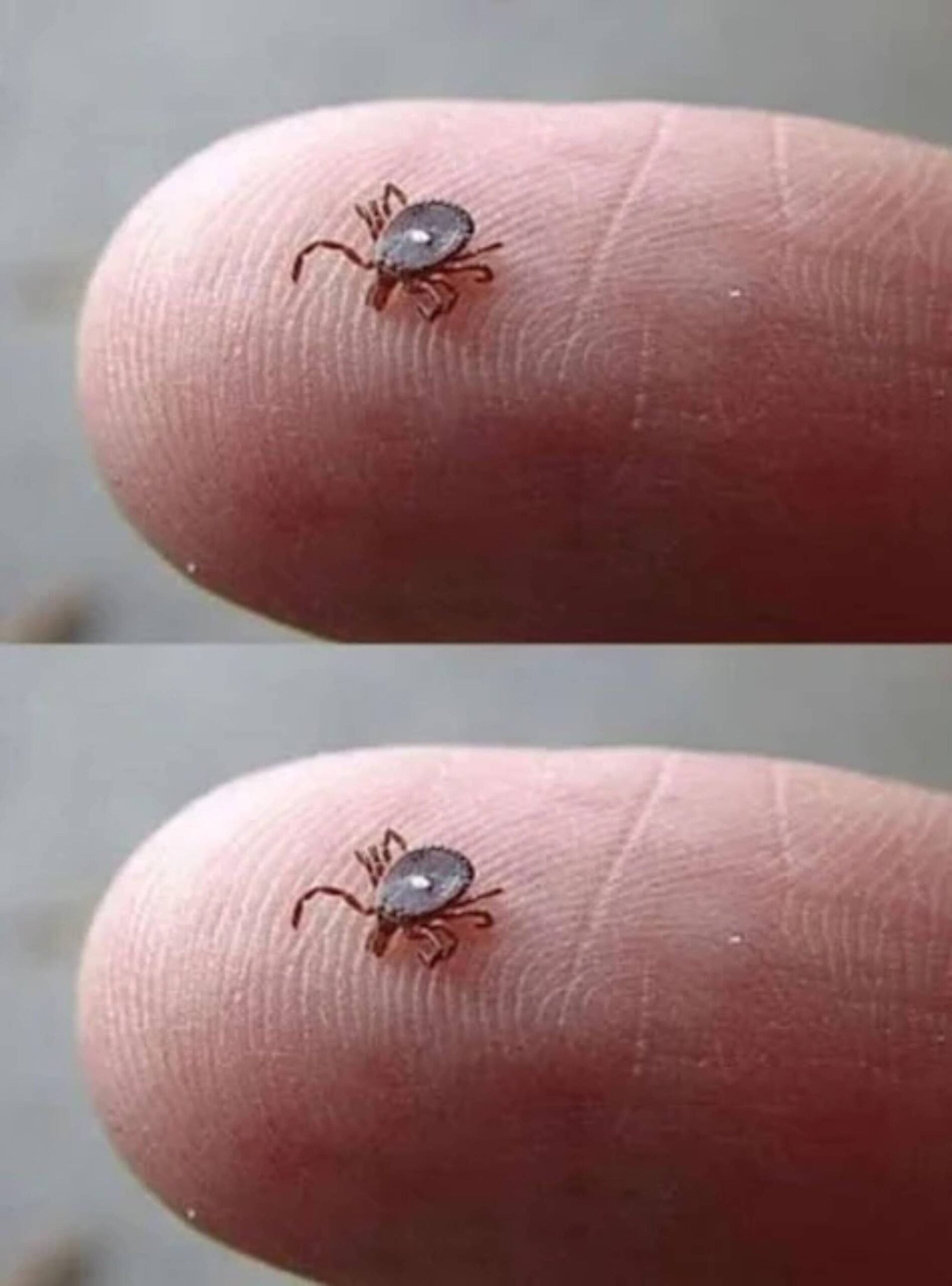
The lone star tick mentioned in the story is associated with a unusual condition: alpha-gal syndrome. Some people bitten by lone star ticks develop an allergy to a sugar molecule found in red meat (beef, pork, lamb, venison).
Symptoms: Hives, itching, swelling, stomach pain, or anaphylaxis 3-6 hours after eating red meat
Onset: Can develop weeks to months after the tick bite
Management: Avoid red meat; symptoms often decrease over time (years)
If you were bitten by a lone star tick and later develop unexplained reactions after eating meat, mention it to your doctor.
The Bottom Line
One tick bite doesn't mean you'll get sick. Most tick bites are harmless, and prompt removal dramatically reduces risk. But awareness matters. Knowing what to do—and doing it correctly—gives you control over a situation that could otherwise cause anxiety.
That faint tickle you almost ignored? Now you know exactly what to do next time.
