
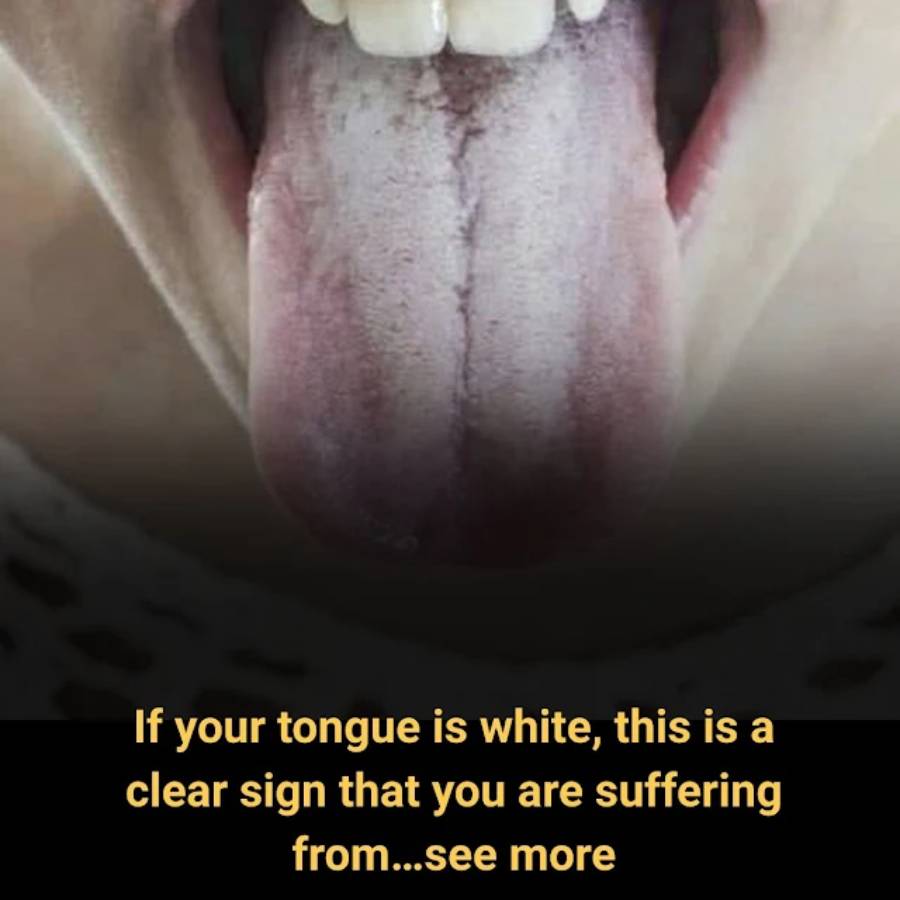
Denture wearers
What to do: See your doctor or dentist. Antifungal medications can clear it up.
2. Dehydration or Dry Mouth (Xerostomia)
What it is: Insufficient saliva production leads to a buildup of dead cells and bacteria on the tongue.
What it looks like: A thin, white coating that may be accompanied by dry lips, sticky saliva, and thirst.
What to do: Drink more water. Chew sugar-free gum. Avoid alcohol and caffeine. If dry mouth persists, talk to your doctor—it can be a side effect of medications or a sign of other conditions.
3. Leukoplakia
What it is: Thick, white patches that form on the tongue or inside the cheek. They cannot be scraped off.
What it looks like: Raised, white patches that are painless.
Who's at risk: Most common in people who use tobacco (smoking or chewing). Can also be caused by chronic irritation.
Why it matters: While most leukoplakia patches are benign, some can be precancerous. A dentist should evaluate any persistent white patch that doesn't scrape off.
4. Oral Lichen Planus
What it is: A chronic inflammatory condition affecting the mucous membranes in the mouth.
What it looks like: Lacy, white, web-like patches, sometimes with red, swollen areas or painful sores.
What to do: See a dentist or dermatologist. Often benign, but regular monitoring is recommended.
5. Geographic Tongue
What it is: A harmless inflammatory condition where smooth, red patches appear on the tongue, surrounded by white borders that shift over time.
What it looks like: Map-like patterns of smooth red areas with white edges. Often painless, but can cause sensitivity.
What to do: Usually requires no treatment. If sensitive, avoid spicy or acidic foods.
6. Syphilis (Secondary Stage)
What it is: A bacterial infection that can cause white patches called "snail track" lesions on the tongue.
What it looks like: White, shiny patches that can't be scraped off.
Why it matters: Syphilis is treatable but can progress if ignored. If you have other symptoms (rash, fever, swollen lymph nodes), see a doctor.
7. Lichenoid Reactions
What it is: White patches that resemble lichen planus but are caused by a reaction to medications or dental materials.
Common triggers: Some blood pressure medications, NSAIDs, and dental amalgam fillings.
What to do: Talk to your doctor or dentist about possible triggers.
When a White Tongue Is a Sign of Something More Serious
In rare cases, a persistent white tongue can be a sign of:
Oral Cancer
A white or red patch that doesn't heal, won't scrape off, and persists for more than two weeks should be evaluated by a dentist or doctor.
Red flags:
A sore or patch that doesn't heal
Difficulty swallowing
Unexplained bleeding
Numbness in the mouth
A lump in the neck
