
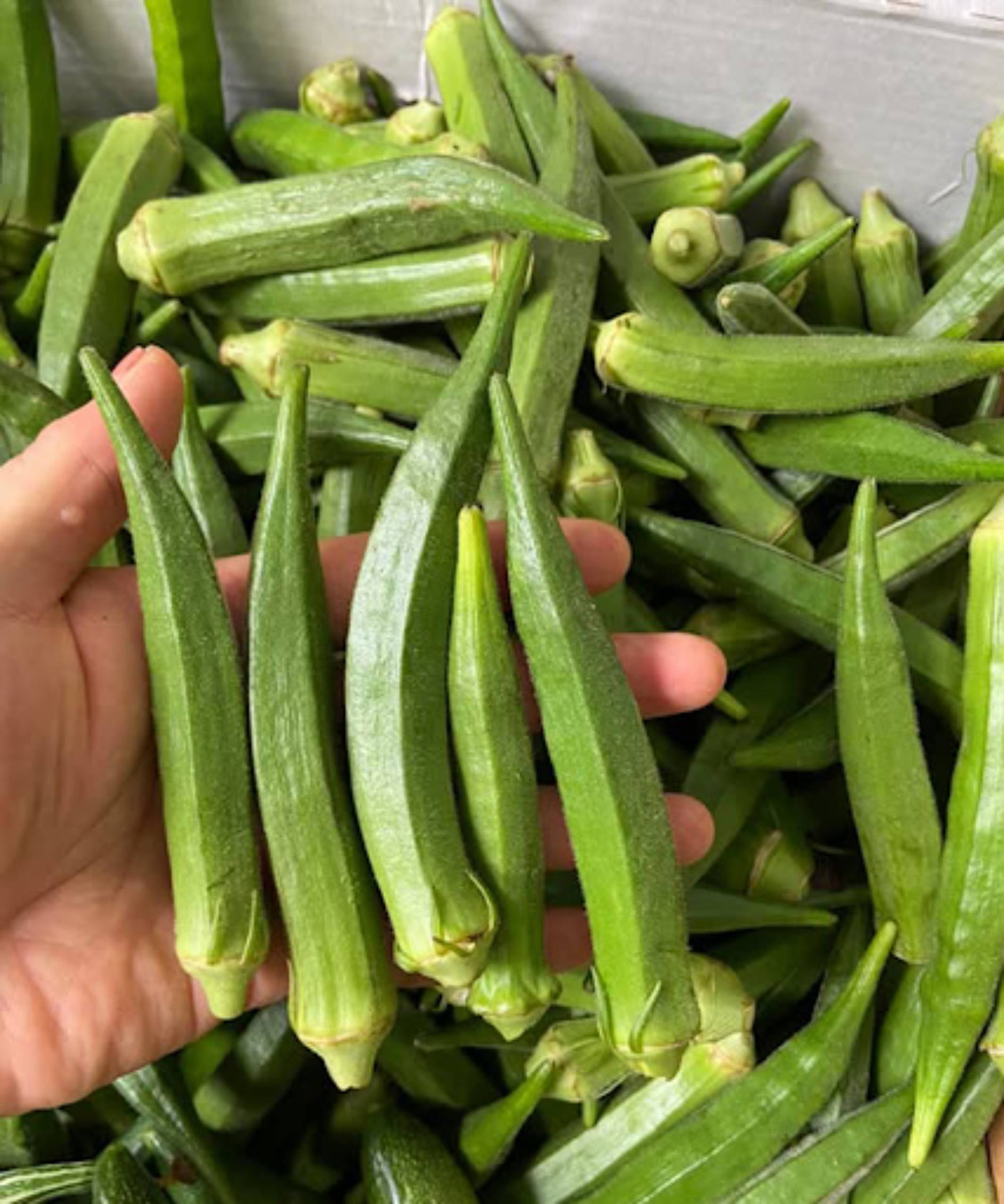
Improve overall glycemic control
The mucilage in okra forms a gel in the digestive tract, which can slow glucose absorption into the bloodstream.
2. Supports Insulin Sensitivity
Animal studies suggest compounds in okra seeds and peel may:
Improve insulin response
Reduce insulin resistance
While human studies are still limited, the mechanism aligns with known benefits of high-fiber foods.
3. Helps Lower Cholesterol
People with diabetes are at higher risk for heart disease. Okra may help by:
Binding bile acids in the gut
Reducing LDL (“bad”) cholesterol
Better cholesterol control indirectly supports blood sugar management and cardiovascular health.
4. Aids Weight Management
Okra is:
Low in calories
High in fiber
Very filling
Maintaining a healthy weight is one of the most effective ways to improve type 2 diabetes outcomes.
5. Rich in Antioxidants
Chronic inflammation and oxidative stress worsen diabetes over time. Okra contains antioxidants that may help:
Reduce inflammation
Protect blood vessels
Support long-term metabolic health
What about Okra Water?
Okra water is made by soaking sliced okra pods in water overnight and drinking the liquid.
Possible benefits:
Mild blood sugar stabilization
Hydration
Appetite control
Important reality check:
There is no strong clinical evidence proving okra water alone lowers blood sugar significantly
It should be seen as a dietary support, not a treatment
If you try okra water, monitor your glucose levels carefully and do not replace the prescribed medication.
Risks and Precautions
