
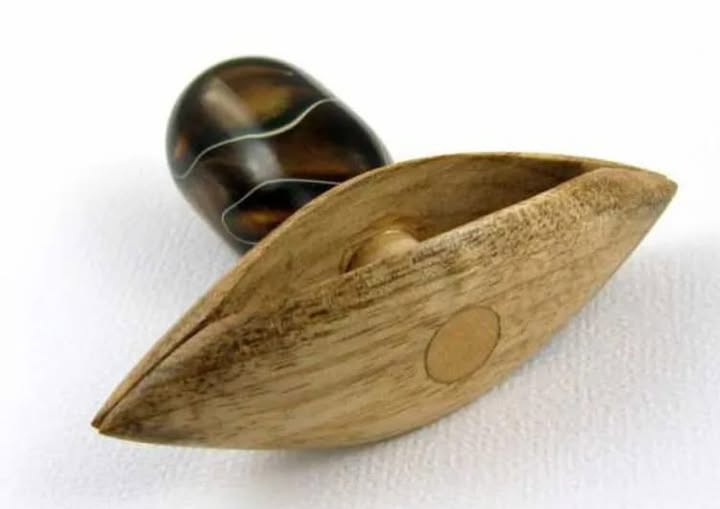
Modern Applications of Shuttle Tatting
Although tatting originated centuries ago, it remains relevant today.
Contemporary artisans use tatted lace for a wide variety of creative projects:
Jewelry such as earrings and pendants
Wedding accessories
Decorative doilies and table linens
Bookmarks
Holiday ornaments
Clothing embellishments
Many independent artists even sell handmade tatting pieces through online marketplaces and craft fairs.
This combination of artistic tradition and modern entrepreneurship keeps the craft alive for new generations.
Historical / Cultural Context
The Origins of Tatting
4
The exact origins of tatting remain somewhat debated among historians, but the craft became widely recognized during the early 19th century.
During this period, lace-making was an important decorative art used in clothing and household textiles. Handmade lace appeared on:
collars
cuffs
handkerchiefs
table linens
shawls
Many historians believe tatting evolved from earlier knotting techniques used by sailors and textile workers.
Over time, artisans refined these techniques into a specialized lace-making method.
The Evolution of Tatting Shuttle Materials
Early tatting shuttles were often handcrafted from natural materials.
Common materials included:
bone
ivory
wood
tortoiseshell
These tools were sometimes intricately carved, making them beautiful objects in their own right.
As industrial manufacturing expanded during the late 19th and early 20th centuries, new materials became available.
Later tatting shuttles were produced using:
metal
celluloid
Bakelite
plastic
These materials made shuttles more durable and affordable, allowing more people to participate in the craft.
Tatting in the Victorian Era
The craft reached peak popularity during the Victorian period. Handmade lace was highly fashionable and frequently incorporated into clothing and household décor.
Women often practiced tatting as both a creative hobby and a practical skill.
Pattern books and instructional guides were widely published, helping spread the craft throughout Europe and North America.
Many of these historical patterns are still used by modern tatting enthusiasts today.
Tips, Insights, or Takeaways
Choosing the Right Tatting Shuttle
4
For beginners, selecting the right shuttle can make learning much easier.
Key factors to consider include:
Material
Plastic shuttles are lightweight and affordable, making them ideal for beginners.
Hook vs No Hook
Shuttles with a built-in hook simplify joining stitches.
Size
Larger shuttles hold more thread but may feel bulky for small hands.
Many beginners start with inexpensive plastic shuttles before experimenting with more specialized designs.
Tips for Learning Shuttle Tatting
Mastering tatting takes time and practice. Beginners can improve their skills by focusing on several core principles:
Maintain consistent thread tension
Practice basic double knots repeatedly
Start with simple patterns before attempting complex designs
Use high-quality thread designed for lace-making
Online tutorials and craft communities have also made it easier than ever for new artisans to learn the craft.
Preserving Traditional Craft Skills
Traditional crafts like tatting offer more than just decorative results—they preserve cultural knowledge passed down through generations.
By learning these skills, modern crafters contribute to the continuation of a creative heritage that spans centuries.
In addition, handmade crafts often encourage sustainable practices. Instead of mass-produced decorations, artisans can create durable items meant to last for years.
Additional High-Value Keywords for SEO
tatting shuttle tutorial
handmade lace techniques
traditional lace making tools
DIY lace crafts
vintage textile crafts
tatting patterns for beginners
handmade lace jewelry
historic lace making techniques
traditional needlework crafts
These keywords attract readers interested in DIY crafts, handmade art, textile history, and creative hobbies, making them valuable for educational and lifestyle content.
Conclusion
The tatting shuttle may appear small and simple, but its role in the world of lace-making is remarkable. Through careful movements and precise knotting, this modest tool allows artisans to transform ordinary thread into intricate works of art.
From its origins in the 19th century to its continued use by modern crafters, shuttle tatting represents a timeless blend of skill, patience, and creativity. Whether used to produce delicate jewelry, elegant home décor, or heirloom textiles, the technique continues to inspire new generations of makers.
In an age where many products are mass-produced, crafts like tatting remind us of the beauty of handmade artistry. Every ring, chain, and picot reflects the dedication of the person who created it.
For those willing to learn its techniques, the tatting shuttle opens the door to a craft that is both historic and deeply personal—an art form that proves even the smallest tools can produce extraordinary results.
