
You are pregnant or breastfeeding (culinary amounts are fine)
You have a known allergy to Lamiaceae plants (mint, basil, lavender, sage)
You take blood-thinning medications (high doses may have mild anticoagulant effects)
You have scheduled surgery (discontinue concentrated forms 2 weeks prior)
Always consult your healthcare provider before starting any new herbal regimen, particularly if you have underlying health conditions or take prescription medications.
The Joy of Growing Your Own
If you have a sunny windowsill or a small patch of soil, grow oregano. It's nearly impossible to kill, returns reliably year after year, and tastes infinitely better than anything from a jar.
There is something profoundly satisfying about stepping outside, snipping a few sprigs of a plant you've tended, and adding it directly to your meal. You're participating in a tradition that stretches back to ancient Greece, to medieval monasteries, to every grandmother who ever insisted that "a little oregano fixes everything."Health
She wasn't wrong.
The Bottom Line
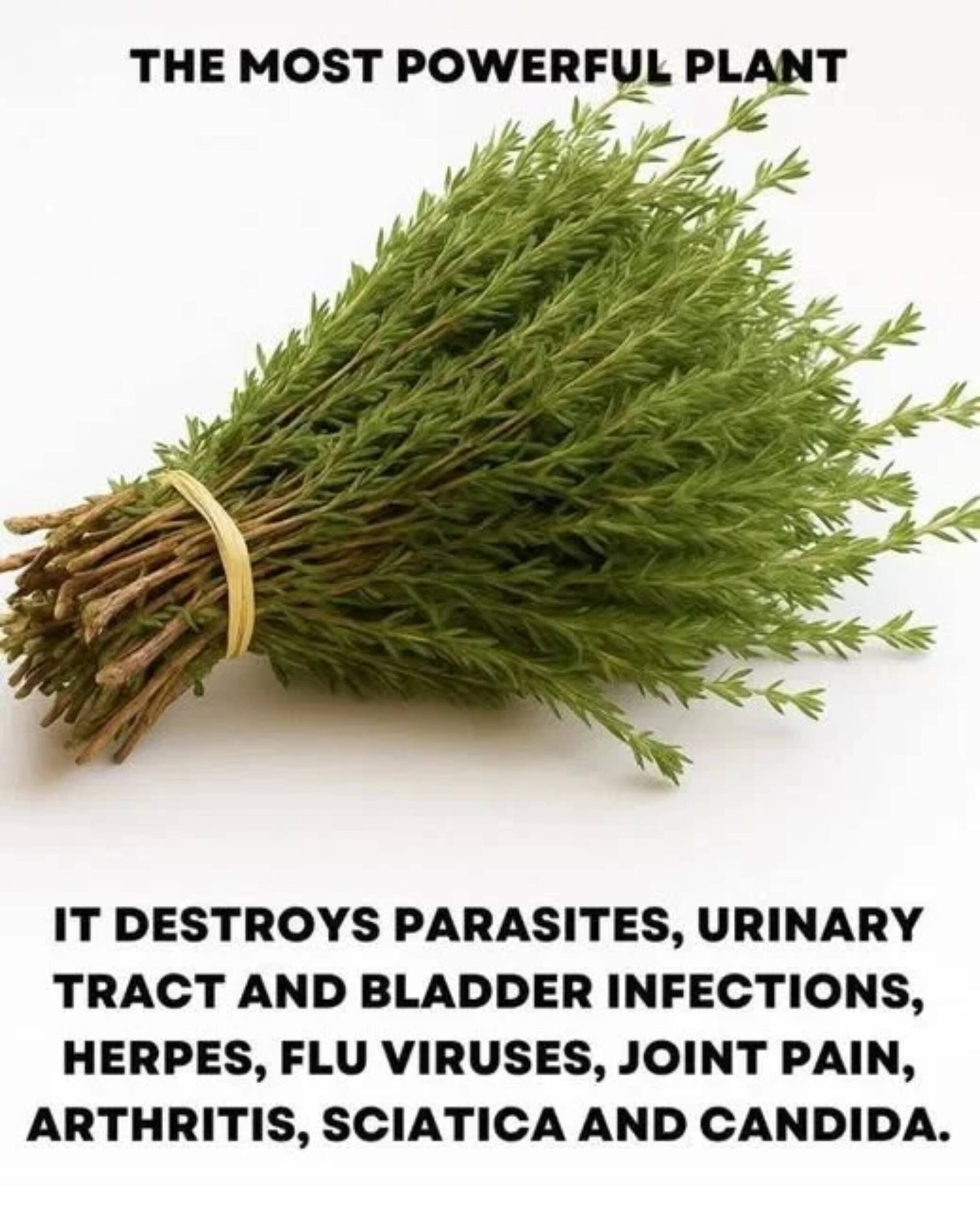
Oregano isn't a miracle. It won't cure cancer, reverse chronic disease, or replace modern medicine. But it is a remarkable example of how something small, common, and easily overlooked can offer profound, gentle, and legitimate support to our bodies.
It's antimicrobial and anti-inflammatory. It's antioxidant-rich and gut-supportive. It costs almost nothing, tastes wonderful, and has been trusted by healers for thousands of years.
That's not magic. That's science catching up to tradition.
So the next time you reach for that little jar on your spice rack, pause for a moment. Acknowledge the quiet power in those tiny green flakes. And then sprinkle generously.
Your body—and your taste buds—will thank you.
