
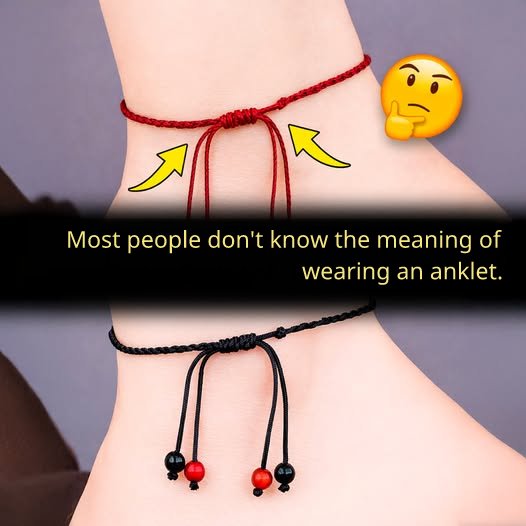
African and Eastern traditions: messages and protection
In some African cultures, anklets also serve as a silent language. Colors, beads, or patterns can convey information about social status, role in the community, or major life events. This piece of jewelry then becomes a powerful marker of identity, understood by those who share the same cultural codes.
In the Middle East, it has long been associated with femininity and grace. Anklets with bells accentuated movement and were also believed to ward off unwanted energies. The jewelry thus became as protective as it was aesthetic.
In Europe: elegance, audacity and freedom
In Europe, the perception of the ankle bracelet has changed considerably. Long discreet, sometimes hidden under long skirts, it evoked a form of subtle refinement. Today, it is proudly displayed. In summer, it becomes a key accessory, a symbol of freedom, confident sensuality, and a strong personality.
Whether it is thin and minimalist or more eye-catching, it goes equally well with flat sandals as with elegant heels, and transcends generations without losing its modernity.
Left or right: a detail that intrigues
Some contemporary beliefs still attribute significance to the anklet worn on the left. Wearing an anklet on the left is said to be associated with protection and warding off negative energy, while wearing it on the right symbolizes self-affirmation and personal balance. Nothing restrictive, of course, but these interpretations add a touch of mystery to this already meaningful piece of jewelry.
Today: a symbol that is above all personal
These days, an anklet is primarily about personal feeling. It can evoke a trip, a period of freedom, a significant milestone, or simply an aesthetic pleasure. Its meaning is no longer imposed: it is chosen, evolves, and adapts to the wearer.
A small jewel steeped in history, the anklet continues to transcend time, reminding us that sometimes the meaning of the anklet lies less in traditions than in the emotion it evokes, and that a jewel laden with symbols can tell a story far more than we imagine.
