
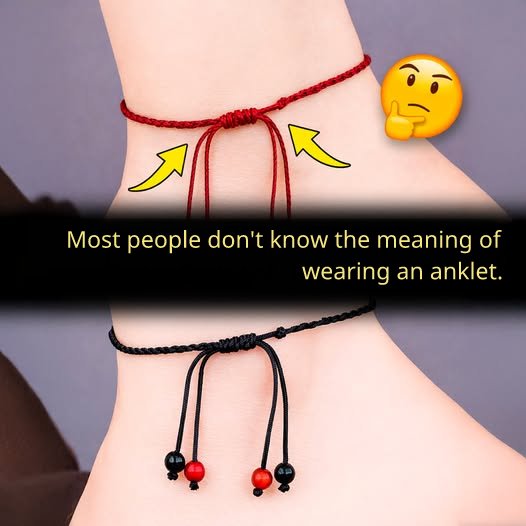
We often slip it on without a second thought, simply because it sparkles beautifully in the sun or accentuates a tanned ankle. And yet… the anklet is far from being a mere fashion accessory. Behind this discreet piece of jewelry lies a rich history, sometimes spiritual, sometimes intimate, that spans centuries and cultures. What if this elegant detail revealed much more than just your sense of style?
The origins of the anklet: much more than an ornament
Ankle bracelets have been worn by women for millennia. In ancient times, they were never chosen at random. In some ancient civilizations, they indicated social rank, wealth, or even a form of symbolic protection. Precious, finely crafted models were not merely decorative: they also represented a link between the body and invisible forces, believed to bring balance and good fortune to daily life.
In India and Asia: a meaningful piece of jewelry
In many Asian cultures, the anklet is deeply rooted in tradition. In India, for example, it is an integral part of traditional women's attire. Often made of silver and sometimes adorned with small bells, it accompanies the wearer's steps and marks important moments in life. Its tinkling is associated with the joy of home and harmony.
In other parts of Asia, the ankle is seen as a key point for the flow of energy. Wearing jewelry there is believed to strengthen grounding, stability, and overall well-being. Among children, anklets are sometimes worn as protective talismans, both symbolic and reassuring.
