
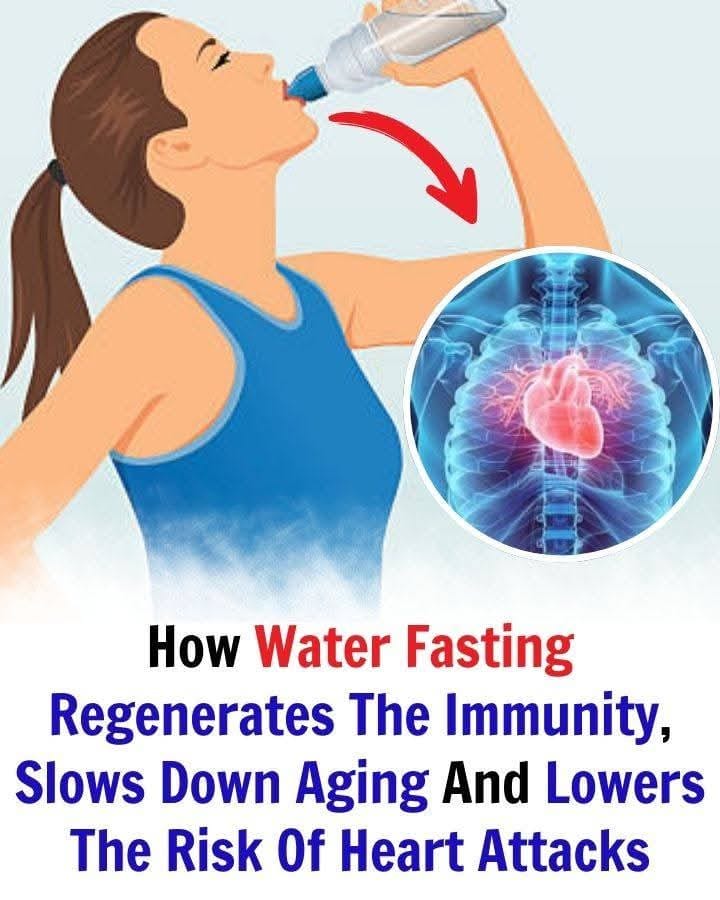
Lower Risk of Heart Disease
Fasting may also support cardiovascular health by improving several key risk factors linked to heart disease.
Studies on fasting patterns, including intermittent fasting, have found improvements in:
Blood pressure
Cholesterol levels
Insulin sensitivity
Body weight
Together, these changes can reduce the likelihood of conditions associated with heart attacks and other cardiovascular problems. Fasting may also reduce chronic inflammation, a major contributor to artery damage and heart disease.
Additional Potential Health Benefits
Beyond immunity, aging, and heart health, fasting has been associated with several other possible advantages.
Improved Brain Health
Animal studies suggest fasting may stimulate neurogenesis, the creation of new brain cells. This could potentially help protect against neurodegenerative conditions and improve cognitive function.
Weight Management
Since fasting restricts calorie intake, it can promote weight loss and improve metabolic health—two important factors in preventing obesity-related illnesses.
Reduced Cancer Risk
Some research indicates fasting may lower levels of insulin-like growth factor 1 (IGF-1), a hormone associated with increased cancer risk when present in high amounts.
Why Fasting May Benefit the Body
Scientists believe several biological mechanisms help explain the potential health benefits of fasting.
Autophagy
Fasting activates Autophagy, a cellular cleanup process that removes damaged or dysfunctional components. This helps cells repair themselves and maintain better function.
Hormonal Changes
During fasting, levels of Human Growth Hormone increase, which can support fat metabolism and help preserve muscle mass.
Reduced Inflammation
Fasting may reduce the production of inflammatory molecules, lowering chronic inflammation that contributes to many diseases.
Important Considerations and Risks
Despite the promising findings, water fasting is not suitable for everyone and should be approached carefully.
Key considerations include:
Individual health differences: Age, medical history, and existing conditions can influence how the body responds to fasting.
Nutrient deficiencies: Extended fasting without proper planning may lead to deficiencies in essential vitamins and minerals.
Medical supervision: People with chronic conditions, those taking medications, or pregnant individuals should consult healthcare professionals before attempting fasting.
Final Thoughts
Water fasting has attracted attention for its potential to support immune regeneration, slow aspects of aging, and improve heart health. These effects may be linked to processes like autophagy, hormonal changes, and reduced inflammation.
However, research is still developing, and scientists continue to study the safest and most effective ways to incorporate fasting into a healthy lifestyle. Anyone considering water fasting should do so carefully and ideally under professional medical guidance to ensure safety and long-term health benefits.
You’ve just read, The Potential Health Benefits of Water Fasting Explained. Why not read Manager Had To Hire A New Employee.
