
The Environmental Impact
To appreciate the environmental impact of dual-flush toilets, consider this example:
An older toilet using 3.5 gallons per flush used five times per day would consume roughly 6,387 gallons of water per year for one person.
A dual-flush toilet might reduce that to around 3,000 gallons per year or less.
Multiply that by millions of people, and the savings become staggering.
Less water consumption also means:
Less energy required for water treatment
Reduced wastewater production
Lower environmental strain on rivers and reservoirs
Common Misconceptions
“Both Buttons Do the Same Thing”
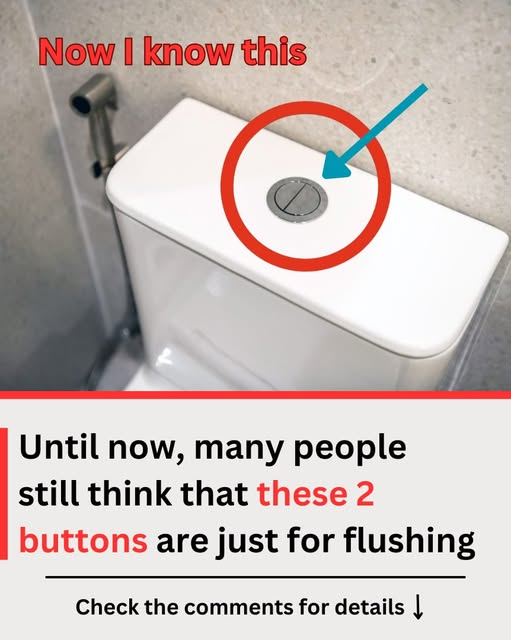
One of the most common misconceptions is that the two buttons simply trigger the same flush. In reality, each button controls a different water release valve inside the tank.
“The Smaller Button Doesn’t Work Well”
Some people believe the smaller flush isn’t powerful enough. However, when used correctly for liquid waste, it works perfectly while saving water.
“Dual-Flush Toilets Are Complicated”
In truth, they’re very simple to use. Once you understand which button to press, it becomes second nature.
Maintenance and Durability
Dual-flush toilets are generally just as durable as traditional toilets. However, they do contain slightly more complex internal mechanisms.
Occasionally, the flushing valve or button mechanism may need adjustment or replacement.
Fortunately, most repairs are inexpensive and straightforward.
Regular maintenance tips include:
Checking for leaks in the tank
Ensuring buttons move freely
Cleaning mineral buildup from internal components
Other Water-Saving Bathroom Innovations
Dual-flush toilets are just one part of a broader movement toward water-efficient homes.
Other innovations include:
Low-flow showerheads
Water-efficient faucets
Greywater recycling systems
Smart irrigation technology
Together, these improvements help reduce household water consumption dramatically.
Should You Upgrade to a Dual-Flush Toilet?
If your home still has an older toilet, upgrading to a dual-flush model may be worth considering.
Benefits include:
Reduced water usage
Lower water bills
Environmental sustainability
Modern design features
Many governments and municipalities even offer rebates or incentives for installing water-efficient fixtures.
Tips for Using Dual-Flush Toilets Properly
To get the most benefit from a dual-flush system:
Use the small button for liquid waste.
Use the large button for solid waste.
Avoid pressing both buttons at once.
Teach guests or family members how the system works.
Simple habits like these can maximize water savings.
The Future of Water-Efficient Toilets
Technology continues to improve plumbing efficiency. Some modern toilets now include:
Automatic flush sensors
Pressure-assisted flushing
Ultra-low water consumption systems
In the future, we may see even more advanced systems designed to conserve water while maintaining hygiene and convenience.
Final Thoughts
The two buttons on modern toilets may seem like a small design detail, but they represent an important step toward sustainable living. Dual-flush toilets provide a simple yet effective way to reduce water waste while maintaining the functionality we rely on every day.
By understanding how these buttons work and using them correctly, individuals can contribute to meaningful water conservation without sacrificing comfort or convenience.
Sometimes, the smallest changes in everyday habits—like choosing the right flush button—can add up to a significant positive impact for both our wallets and the planet.
