
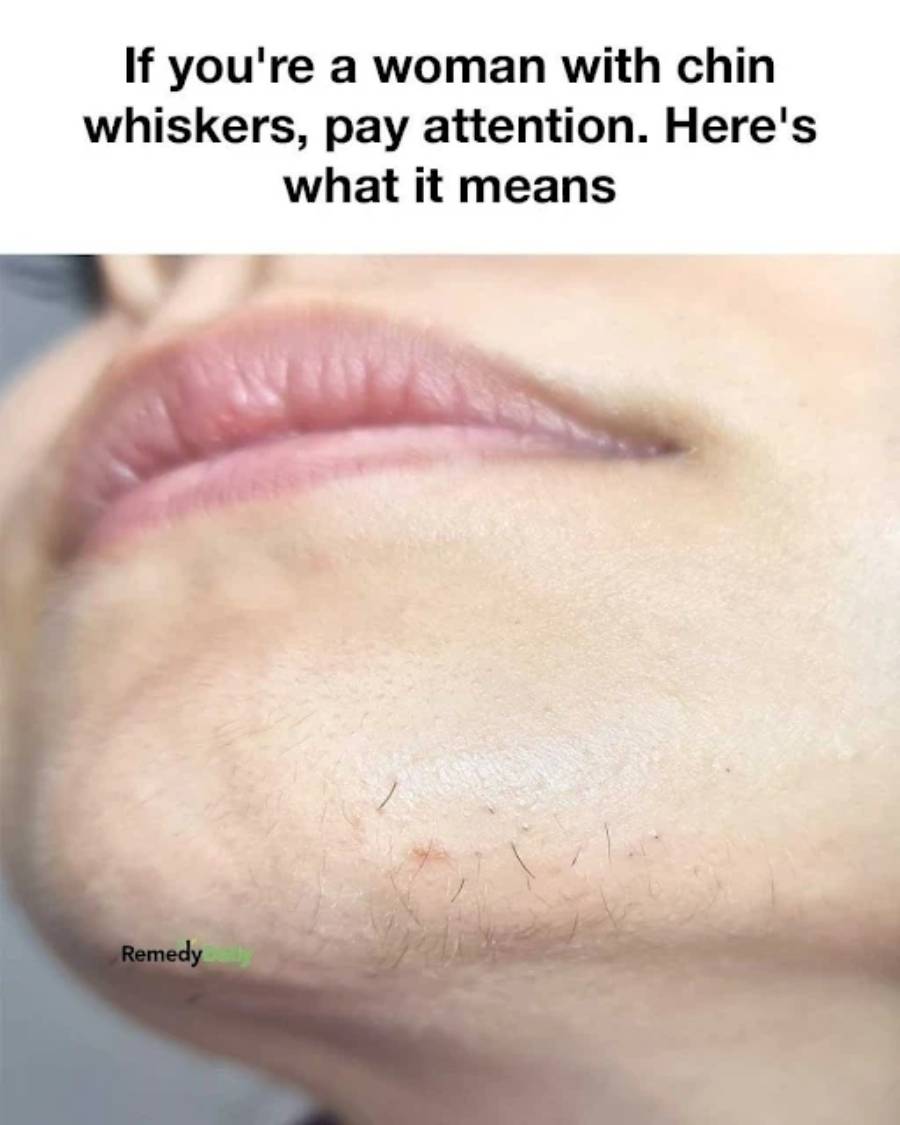
1. Remove the Hair in Whatever Way Feels Right.
Plucking, waxing, threading, electrolysis, laser—the method is entirely personal. There is no medical requirement to remove the hair, only your own preference. If it bothers you, remove it. If it doesn't, leave it. This is your face and your choice.
2. Keep a Symptom Diary.
Before your appointment, jot down when the hair growth started, how fast it's progressed, and any other changes you've noticed in your skin, weight, energy, or cycles. This information is gold for your healthcare provider.
3. Don't Wait Years.
Many women I've spoken to suffered in silence for decades, assuming unwanted hair was just something they had to accept. It's not. If something feels off, advocate for yourself. Ask for hormone testing. Push for answers.
4. Consider Anti-Androgen Options.
If a hormonal imbalance is confirmed, treatments like spironolactone, oral contraceptives, or topical prescriptions like eflornithine (Vaniqa) can significantly reduce new hair growth over time. These require a doctor's prescription and supervision.Cancer
A Gentle Reminder
Your chin whiskers do not diminish your femininity. They do not mean you are "less" of a woman. They are simply a physical sign—sometimes a useful one—that your internal chemistry deserves a closer look. The women I've worked with who finally sought answers for their unwanted hair often describe feeling an immense sense of relief, not shame. Finally, their bodies made sense.
So the next time you pluck that wiry little intruder, let it also be a reminder: your body talks to you in quiet, persistent ways. The question is never whether you should have to deal with this. The question is what your body is trying to say—and whether you're ready to listen.
