
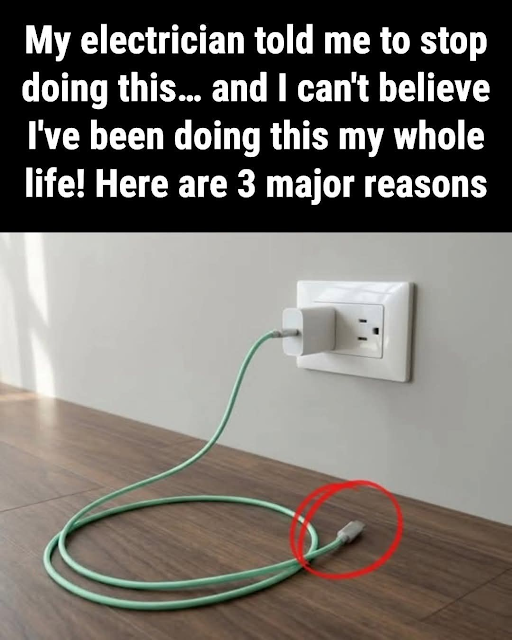
Phone chargers
Tablet chargers
Laptop adapters
Smart device cables
Now multiply that by every room in your home—and then by every day of the year.
Suddenly, that “tiny” amount of wasted energy becomes something more noticeable.
While it won’t double your electricity bill, it’s still unnecessary consumption—and an easy thing to avoid.
Heat: The Silent Problem
Energy use isn’t the only concern.
Even when idle, some chargers can generate a small amount of heat. Under normal conditions, this heat is minimal and harmless.
But in certain situations—like poor ventilation or low-quality chargers—it can become a problem.
For example:
A charger left plugged in behind furniture may trap heat
Cheap or damaged chargers may overheat more easily
Dust buildup around outlets can increase fire risk
It’s not common—but it’s not impossible either.
And that’s what my electrician was getting at: small risks add up over time.
Not All Chargers Are Created Equal
One of the most important things I learned is that charger quality matters—a lot.
High-quality chargers from reputable brands are designed with safety features like:
Overload protection
Temperature control
Automatic shutoff
But cheaper, off-brand chargers may lack these safeguards.
When left plugged in continuously, especially in unstable outlets, they can:
Degrade faster
Become warm or even hot
Increase the risk of electrical faults
In these cases, leaving them plugged in all the time isn’t just wasteful—it can be risky.
Wear and Tear on the Charger
Even if nothing dramatic happens, leaving a charger plugged in constantly can shorten its lifespan.
Electrical components experience stress over time, even when not actively charging a device.
This can lead to:
Reduced efficiency
Slower charging speeds
Increased likelihood of failure
In other words, the charger may not last as long as it should.
The Outlet Itself Matters Too
It’s not just the charger that’s affected—the outlet plays a role as well.
Constantly having something plugged in can contribute to:
Loosening of the outlet connections
Wear on the internal components
Reduced stability over time
While this usually takes years to become noticeable, it’s another small factor that adds up.
The Fire Risk: Rare but Real
Let’s be clear: leaving a charger plugged in without a phone does not automatically mean your home is in danger.
However, in certain conditions, it can increase risk.
For example:
A damaged charger
A faulty outlet
Poor ventilation
Flammable materials nearby
When these factors combine, the chances of overheating or electrical issues go up.
It’s unlikely—but not impossible.
And when it comes to electricity, even low-probability risks are worth paying attention to.
Why Most People Don’t Think About This
The reason this habit is so common is simple:
Nothing usually happens.
You leave a charger plugged in for years, and everything seems fine. No sparks, no overheating, no obvious issues.
So naturally, it feels safe.
But many safety practices are about prevention, not reaction.
Just because something hasn’t caused a problem yet doesn’t mean it never will.
What Electricians Recommend
After that conversation, I started asking around—and the advice was consistent.
Many electricians recommend:
Unplugging chargers when not in use
Using high-quality, certified devices
Avoiding overloaded outlets
Keeping charging areas clean and ventilated
These aren’t complicated changes. They’re small habits that reduce unnecessary risk.
A Simple Habit That Makes a Difference
Unplugging your charger might seem like a minor inconvenience at first.
But once you get used to it, it becomes automatic.
