
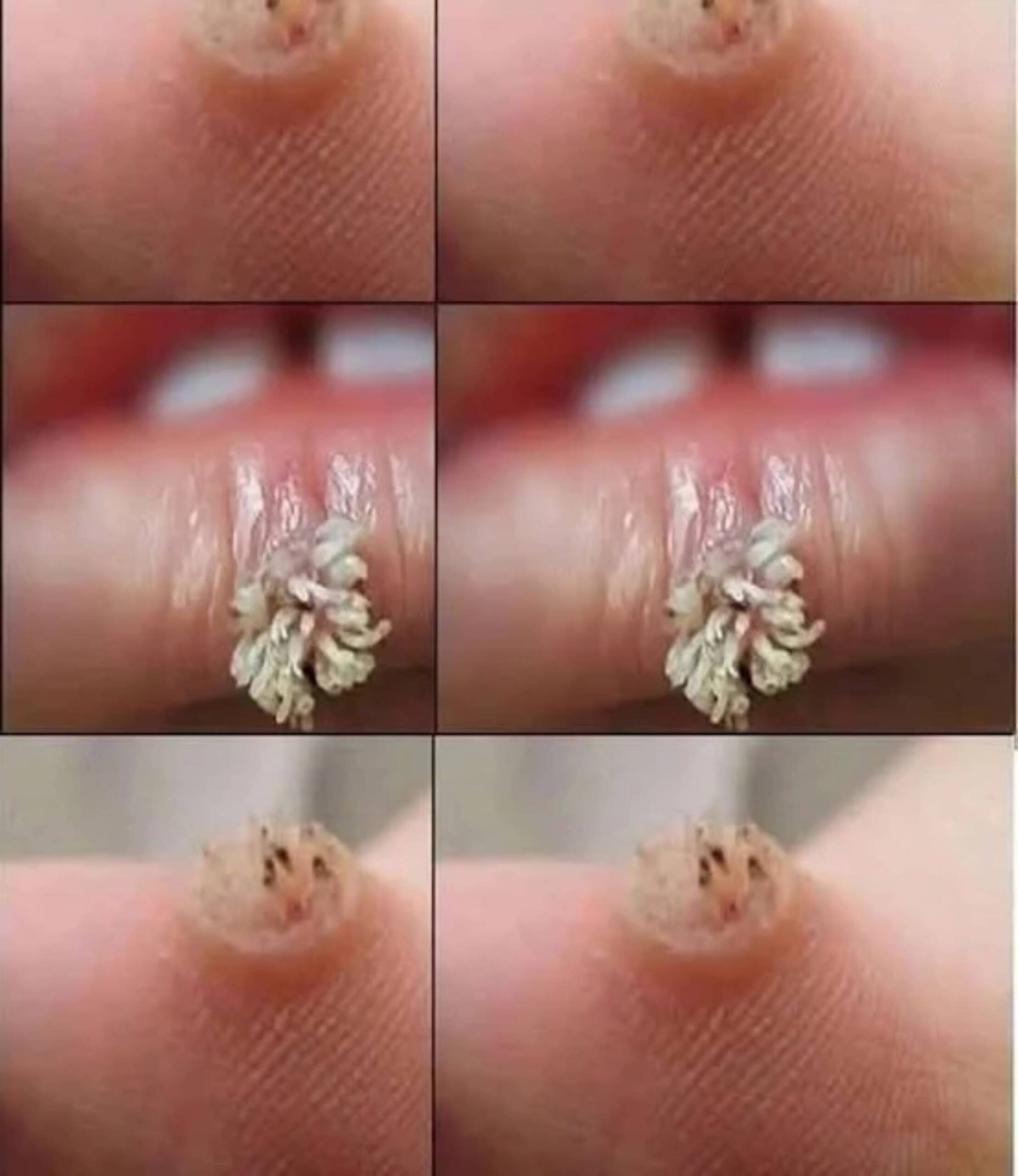
✅ Many people never develop visible sores
✅ Outbreaks tend to become less frequent over time
✅ Treatments can shorten healing time and reduce discomfort
🦠 How Do Cold Sores Spread?
HSV-1 is highly contagious, especially when blisters are present — but transmission can happen even when no sores are visible (a process called asymptomatic shedding).
Common Ways It Spreads:
|
Method
|
Prevention Tip
|
|---|---|
|
✅ Direct skin-to-skin contact
|
Avoid kissing during an outbreak
|
|
✅ Sharing personal items
|
Don’t share lip balm, towels, razors, or eating utensils
|
|
✅ Oral-genital contact
|
Use protection to reduce risk of spreading HSV-1 to genitals
|
🚫 Never pick or pop the blister — this increases viral spread and risk of bacterial infection.
⏳ The Life Cycle of a Cold Sore
An outbreak usually follows five stages:
Tingling/Itching (Day 1–2) – Warning sign before the blister forms
Blister Formation (Day 2–4) – Small, painful fluid-filled bumps appear
Weeping (Day 4–5) – Blisters rupture, releasing viral fluid
Crusting (Day 5–8) – A yellow or brown scab forms
Healing (Day 8–10+) – Scab falls off; skin returns to normal
💡 The entire cycle lasts 7–10 days on average.
💡 Triggers That Cause Outbreaks
Not everyone who carries HSV-1 gets cold sores.
But for those who do, certain factors can trigger flare-ups:
|
Trigger
|
What You Can Do
|
|---|---|
|
✅ Stress
|
Practice relaxation techniques (breathing, meditation)
|
|
✅ Sun exposure
|
Wear SPF lip balm daily
|
|
✅ Illness or fatigue
|
Get rest and support your immune system
|
|
✅ Hormonal changes
|
Track patterns (e.g., menstrual cycle)
|
|
✅ Injury to the area
|
Protect lips from chapping or trauma
|
📌 Identifying your triggers helps prevent future episodes.
✅ How to Treat Cold Sores
