
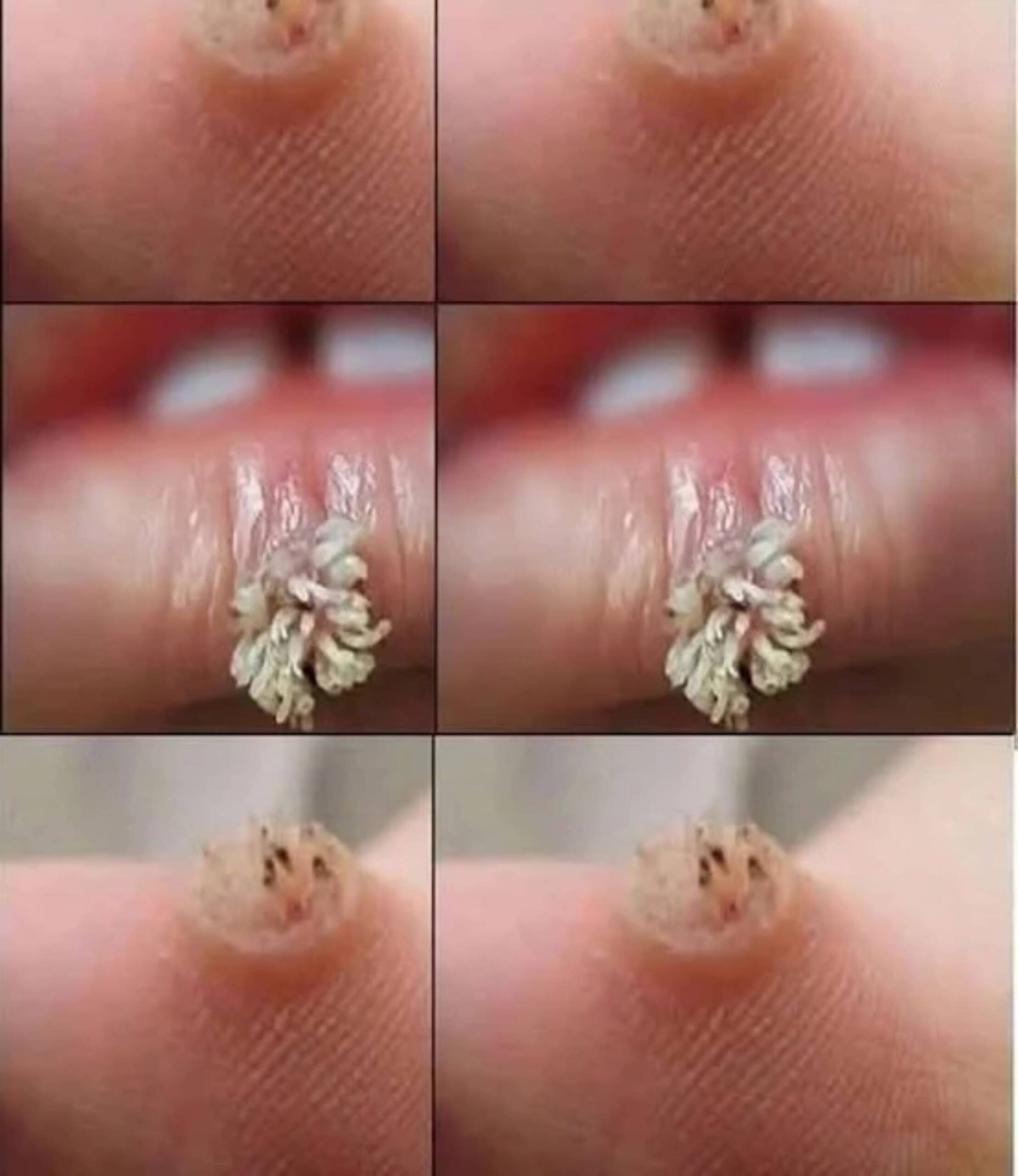
You wake up with a tingling feeling on your lip.
A slight itch.
Then a small blister appears.
By tomorrow, it’s swollen, red, and unmistakable:
👉 A cold sore — also known as a fever blister — has arrived.
You’re not alone.
Over half of adults in the U.S. have been infected with herpes simplex virus type 1 (HSV-1), according to the CDC.
Most catch it during childhood through casual contact like kissing or sharing utensils.
While there’s no cure, most people experience only occasional outbreaks — or none at all.
Let’s explore what causes cold sores, how they spread, and what you can do to manage them — so you can respond wisely, not worry excessively.
Because real health isn’t about shame.
It’s about understanding — calmly, clearly, and kindly.
🔬 What Are Cold Sores?
Cold sores are small, fluid-filled blisters that typically appear on or around the lips, but can also occur inside the mouth or on the nose or cheeks.
They’re caused by:
Herpes Simplex Virus Type 1 (HSV-1) – Most common cause; usually affects the mouth
Herpes Simplex Virus Type 2 (HSV-2) – Usually linked to genital herpes, but can cause oral sores via oral-genital contact
Once you're infected, the virus stays in your body for life — lying dormant in nerve cells until triggered.
But here’s the good news:
