
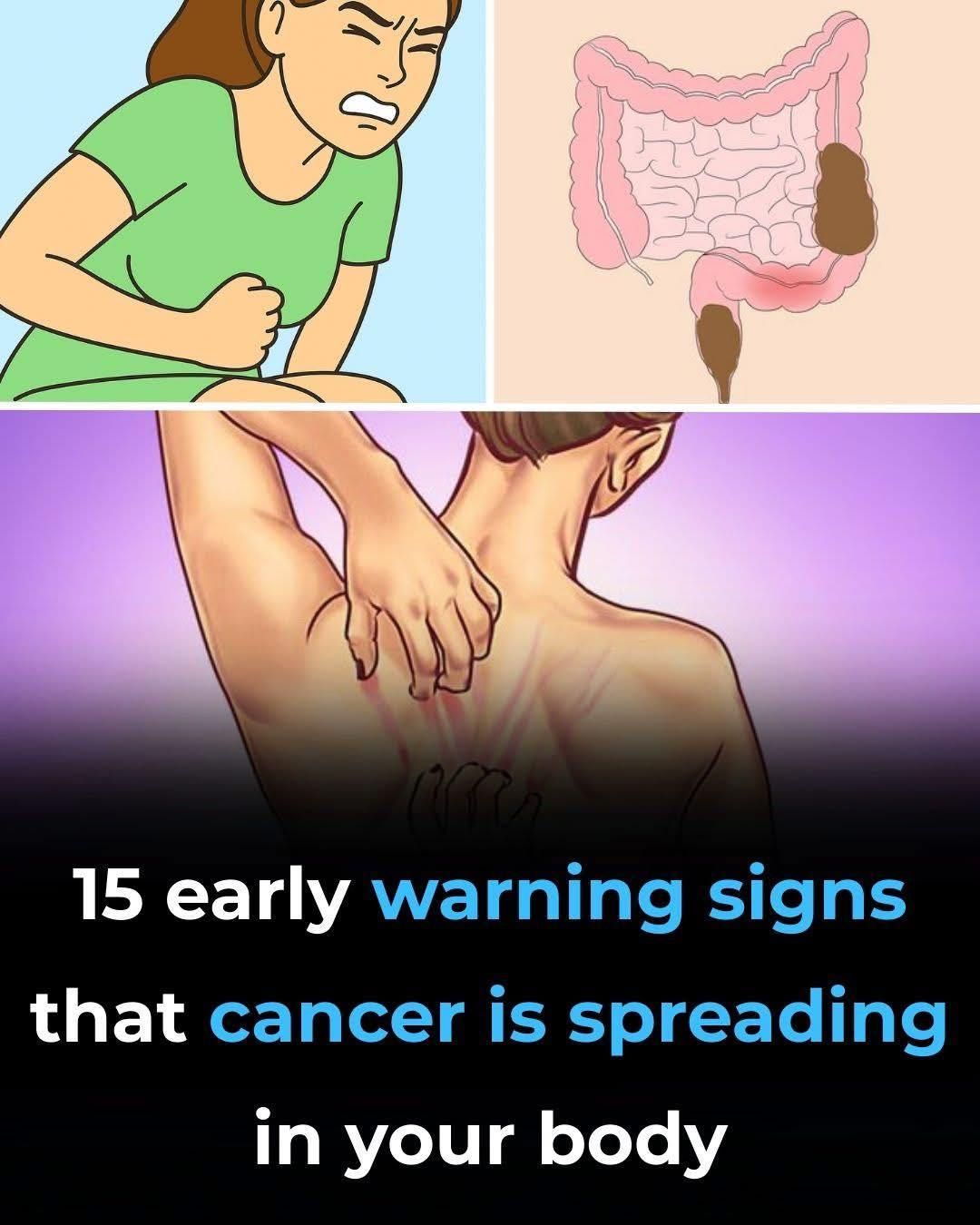
Cancer doesn’t always announce itself with pain.
Sometimes, it starts quietly — a change in your body you might brush off as aging, stress, or fatigue.
But here’s what experts agree on: 👉 The earlier cancer is found, the better the chances for successful treatment.
While many early cancers have no symptoms at all — which is why screenings like mammograms, colonoscopies, and Pap tests are so vital — some signs should never be ignored.
Let’s explore 15 common warning signs of cancer — so you can listen to your body, act wisely, and get checked if something feels off.
Because real health isn’t about waiting for pain.
🔍 Why Early Detection Matters
-
- Many cancers (like breast, colorectal, cervical, and skin) are highly treatable when caught early
-
- Some symptoms are subtle — easily mistaken for less serious conditions
- Delaying evaluation can allow cancer to grow or spread
🩺 Remember: Having a symptom does NOT mean you have cancer.
But noticing changes and getting them checked? That’s one of the smartest things you can do for your health.
⚠️ 15 Common Warning Signs of Cancer
1. Unexplained Weight Loss
-
- Losing 10+ pounds without trying
- Often linked to cancers of the pancreas, stomach, esophagus, or lung
📌 Not due to diet or exercise? See your doctor.
2. Fever That Won’t Go Away
- Persistent low-grade fever
- May be a sign the immune system is fighting cancer (especially lymphoma or leukemia)
🌡️ Especially concerning if accompanied by night sweats or fatigue.
3. Extreme Fatigue
- Tiredness that doesn’t improve with rest
- Can occur with blood-related cancers or advanced disease
🧠 Not normal aging — investigate if new or severe.
4. Pain That Persists
- Constant back pain (possible pancreatic, ovarian, or colon cancer)
- Bone pain (could signal spread)
- Headaches that worsen (brain tumor concern)
❗ Pain is rarely an early sign — but when it lasts, it needs answers.
5. Skin Changes
Watch for:
-
-
- New moles or changes in existing ones (asymmetry, border, color, diameter, evolving) → melanoma risk
- Yellowish skin (jaundice) → liver or pancreatic issues
-
- Dark patches (acanthosis nigricans) → insulin resistance or internal cancer
🧴 Use the ABCDE rule for moles — see a dermatologist annually.
6. Sores That Don’t Heal
- Mouth ulcers lasting more than 2 weeks
- Skin sores that scab, bleed, and reopen
🩺 Could indicate oral, skin, or other cancers.
7. White Patches Inside the Mouth (Leukoplakia)
- Thick, white patches on tongue or cheeks
- Often caused by tobacco use — can be precancerous
🦷 Dentists check for this during cleanings.
8. Change in Bowel Habits
- Diarrhea, constipation, or stool shape changes that last > a few days
- Blood in stool (bright red or dark)
🚽 Possible sign of colorectal cancer — don’t assume it’s hemorrhoids.
9. Difficulty Swallowing (Dysphagia)
- Feels like food “sticks” in throat or chest
- May be linked to esophageal or throat cancer
⚠️ Especially if worsening over time.
10. Persistent Cough or Hoarseness
- Cough lasting more than 3–4 weeks
- Hoarse voice without cold or allergies
🫁 Could signal lung, thyroid, or laryngeal cancer — especially in smokers.
11. Lumps or Thickening Anywhere in the Body
Common areas:
- Breast
- Testicle
- Neck
- Underarm
- Abdomen
✅ Check monthly — know what’s normal for you.
12. Unusual Bleeding or Discharge
|
Symptom
|
Possible Concern
|
|---|---|
|
✅ Blood in urine
|
Bladder or kidney cancer
|
|
✅ Vaginal bleeding after menopause
|
Endometrial cancer
|
|
✅ Blood in sputum (coughed-up mucus)
|
Lung cancer
|
|
✅ Nipple discharge (bloody or clear)
|
Breast concerns
|
🩸 Never ignore unexplained bleeding.
13. Indigestion or Trouble Eating
- Frequent heartburn
- Feeling full quickly
- Nausea or vomiting without cause
🍽️ Could be stomach or esophageal cancer — especially if persistent.
14. Nervous System Changes
- Headaches with vomiting or vision changes
- Seizures
- Dizziness or balance problems
🧠 These may point to brain tumors — require imaging.
15. Changes in Bladder Function
- Needing to urinate frequently
- Pain or burning during urination
- Inability to empty bladder fully
🫀 While often due to infection or prostate issues, it can also be a cancer sign.
✅ Who Should Be Screened — And When?
Prevention starts with regular screenings, even if you feel fine.
|
Cancer Type
|
Recommended Screening
|
|---|---|
|
✅ Colorectal
|
Colonoscopy starting at age 45 (earlier if family history)
|
|
✅ Breast
|
Mammogram every 1–2 years starting at age 40–50
|
|
✅ Cervical
|
Pap smear + HPV test every 3–5 years (ages 21–65)
|
|
✅ Lung
|
Annual low-dose CT scan for high-risk smokers (ages 50–80)
|
|
✅ Prostate
|
PSA test + discussion with doctor (starting at 50, or earlier if high risk)
|
|
✅ Skin
|
Annual full-body exam by a dermatologist
|
🩺 Talk to your doctor about your personal risk factors.
❌ Debunking the Myths
|
Myth
|
Truth
|
|---|---|
|
❌ “Only smokers get cancer”
|
False — non-smokers get cancer too
|
|
❌ “If I feel fine, I’m safe”
|
Dangerous myth — many cancers have no early symptoms
|
|
❌ “Screenings cause cancer”
|
No — diagnostic tools like X-rays use minimal radiation
|
|
❌ “Natural remedies can cure cancer”
|
Harmful falsehood — delay of proven treatment increases mortality
|
✅ How to Reduce Your Risk
|
Habit
|
Benefit
|
|---|---|
|
✅ Don’t smoke or vape
|
#1 preventable cause of cancer
|
|
✅ Limit alcohol
|
Even moderate drinking increases certain cancer risks
|
|
✅ Eat more fruits & vegetables
|
Antioxidants support cell health
|
|
✅ Stay physically active
|
Helps regulate hormones and immunity
|
|
✅ Protect your skin
|
Wear sunscreen daily — prevent UV damage
|
|
✅ Get vaccinated
|
HPV vaccine prevents cervical and other cancers
|
🛡️ Prevention and early detection are your best defenses.
🚨 When to See a Doctor
Seek medical advice if:
- A symptom lasts more than 2–3 weeks
- Something feels different or “off”
- You have a family history of cancer
- You notice any of the 15 signs above
🩺 Trust your gut. Doctors would rather hear: “I came too early” than “I waited too long.”
Final Thoughts
You don’t need to live in fear of your own body.
But you should pay attention to its whispers — before they become screams.
