
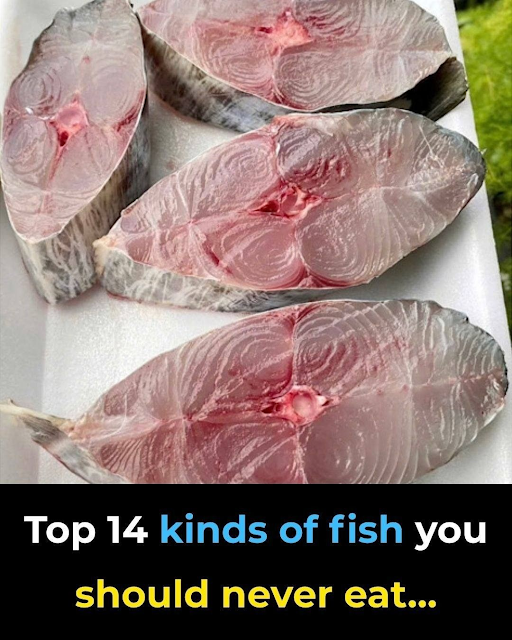
Why Avoid: Overfishing has put pressure on Atlantic halibut populations.
Environmental Impact: High demand threatens sustainability.
Alternative: Pacific halibut or other certified sustainable white fish.
14. Farmed Salmon (Non-Sustainable)
Why Avoid: Some farmed salmon contain high levels of PCBs, dioxins, and antibiotics.
Environmental Impact: Conventional fish farms can pollute waters and escapees may disrupt wild populations.
Alternative: Wild-caught Alaskan salmon or sustainably farmed options certified by ASC or BAP.
How to Make Safer Seafood Choices
While the above list highlights fish to avoid, there are many safe and sustainable options for including seafood in your diet:
Check Sustainability Certifications
Marine Stewardship Council (MSC): Ensures wild-caught fish come from sustainable fisheries.
Aquaculture Stewardship Council (ASC): Certifies responsibly farmed seafood.
Best Aquaculture Practices (BAP): Focuses on environmental and social responsibility.
Prefer Smaller, Short-Lived Species
Sardines, anchovies, and mackerel are lower in mercury because they are smaller and shorter-lived.
They also tend to be abundant and sustainably harvested.
Limit Consumption of High-Mercury Fish
Adults: Limit swordfish, shark, king mackerel, and tilefish to occasional servings.
Children and pregnant women: Avoid these species entirely.
Diversify Your Seafood
Rotate fish species to reduce exposure to pollutants.
Include plant-based omega-3 sources like chia seeds, flaxseed, or walnuts.
Understanding Labels and Where to Buy
Look for certifications: MSC, ASC, and BAP labels indicate responsible sourcing.
Ask questions at seafood counters: Inquire about origin, farmed vs. wild, and sustainability practices.
Prefer local sources: Buying from local fisheries or markets reduces transportation impact and ensures freshness.
Healthier Seafood Choices
Here are some low-mercury, sustainable fish that are safe and nutritious:
Salmon (wild-caught Alaskan)
Sardines
Anchovies
Tilapia
Arctic char
Atlantic mackerel
Farmed trout
These fish provide the health benefits of seafood without the environmental or health risks of high-mercury or overfished species.
Key Takeaways
Avoid large, predatory fish and certain farmed species due to mercury, pollutants, or unsustainable practices.
Opt for smaller, faster-growing species and sustainably certified seafood.
Diversify seafood intake and pay attention to labels and sourcing.
Educating yourself on the origins of your fish helps protect both your health and the planet.
Conclusion
Seafood can be a healthy, delicious, and environmentally friendly part of your diet—but not all fish are created equal. The 14 species highlighted in this guide pose significant risks due to mercury, toxins, or environmental impact. By avoiding these fish and choosing safer alternatives, you protect your health while supporting sustainable fishing practices.
Making informed choices about seafood ensures that you can enjoy the nutritional benefits of fish while contributing to a healthier ocean ecosystem for future generations.
If you want, I can expand this into a full 2,000-word feature wit
