
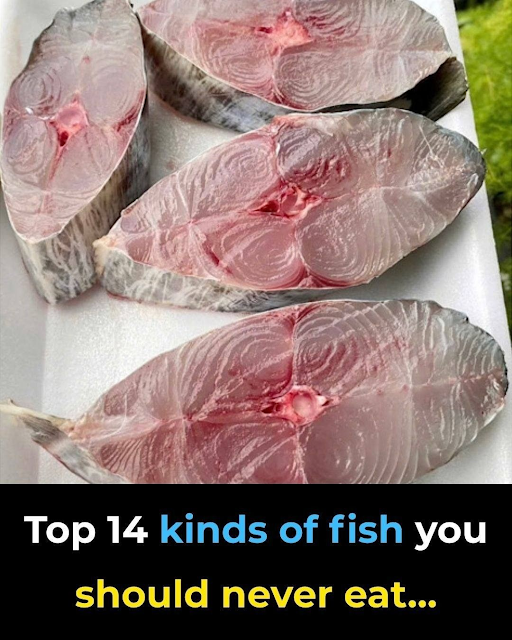
14 Fish You Should Consider Never Eating: A Comprehensive Guide
Seafood is often praised for its health benefits—lean protein, omega-3 fatty acids, and essential vitamins and minerals make fish a valuable addition to a balanced diet. However, not all fish are created equal. Some species carry high levels of mercury, contain microplastics, or are harvested in environmentally destructive ways. Eating these fish regularly can pose serious health risks to humans and contribute to the decline of marine ecosystems.
In this detailed guide, we’ll explore 14 types of fish that are best avoided, the reasons behind the warnings, and healthier alternatives you can enjoy instead. Understanding these risks empowers consumers to make informed choices that are good for both their health and the planet.
Why Some Fish Are Dangerous
Not all fish pose the same risks, but several factors determine whether a species should be limited or avoided:
Mercury Contamination
Larger, longer-living fish tend to accumulate more mercury in their tissues. Mercury can damage the nervous system, particularly in pregnant women and young children.
Environmental Contaminants
Polychlorinated biphenyls (PCBs), dioxins, and other industrial pollutants can accumulate in fish. These toxins may disrupt hormonal balance and increase cancer risk.
Overfishing and Environmental Damage
Some fish are caught or farmed in ways that harm ocean ecosystems, destroy habitats, or deplete populations faster than they can recover.
Microplastics and Pollutants
Many ocean fish ingest microplastics or chemicals from polluted waters. While the long-term effects are still under study, avoiding high-risk species can reduce exposure.
1. King Mackerel
Why Avoid: King mackerel is notorious for extremely high mercury levels.
Health Risks: Mercury poisoning can affect the nervous system, leading to memory loss, cognitive issues, and developmental problems in children.
Alternative: Consider smaller mackerel species like Atlantic or Spanish mackerel, which tend to have lower mercury concentrations.
2. Shark
Why Avoid: Sharks are apex predators with high mercury accumulation and slow reproductive rates, making them vulnerable to overfishing.
Environmental Impact: Many shark populations are declining due to finning and commercial fishing.
Alternative: Opt for smaller, sustainable fish like sardines or anchovies.
3. Swordfish
Why Avoid: Swordfish is another large predator with significant mercury contamination.
Health Risks: Pregnant women and children are advised to avoid swordfish completely.
Alternative: Choose smaller, low-mercury fish like tilapia or wild-caught salmon.
4. Tilefish (Gulf of Mexico)
