
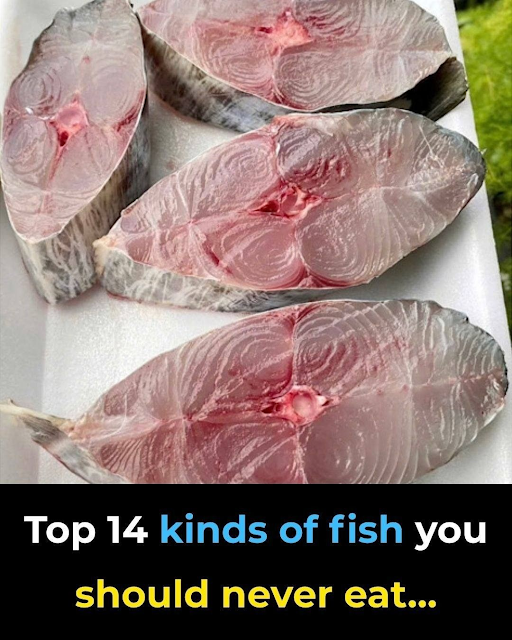
Why Avoid: Tilefish from the Gulf of Mexico has some of the highest mercury levels among seafood.
Health Risks: Can lead to neurological damage if consumed frequently.
Alternative: Atlantic or Pacific tilefish have lower mercury, but other low-mercury species are safer.
5. Bigeye Tuna
Why Avoid: Bigeye tuna is both high in mercury and heavily overfished.
Health Risks: Mercury exposure and contribution to unsustainable fishing practices.
Alternative: Skipjack or light tuna are lower in mercury and more sustainable.
6. Chilean Sea Bass
Why Avoid: Often overfished with destructive bottom-trawling methods that harm seafloor ecosystems.
Environmental Impact: The species’ population is vulnerable, and harvesting methods destroy habitats.
Alternative: Look for certified sustainable options like MSC-labeled Alaskan pollock.
7. Orange Roughy
Why Avoid: Slow-growing and long-living, making it highly susceptible to overfishing.
Environmental Impact: Fishing practices can devastate deep-sea ecosystems.
Alternative: Farmed trout or Arctic char are more sustainable choices.
8. Atlantic Bluefin Tuna
Why Avoid: Critically endangered due to high demand for sushi and sashimi.
Environmental Impact: Overfishing threatens the species’ survival.
Health Risks: Also high in mercury.
Alternative: Skipjack or albacore tuna are better options for sushi lovers.
9. Imported Shrimp
Why Avoid: Many imported shrimp are farmed in conditions with antibiotics, chemicals, and poor sanitation.
Environmental Impact: Shrimp farming can destroy mangroves and coastal habitats.
Alternative: Wild-caught U.S. shrimp or sustainably farmed shrimp with certifications like ASC or Best Aquaculture Practices (BAP).
10. King Crab
Why Avoid: Overfishing and unsustainable harvesting practices make certain king crab populations vulnerable.
Environmental Impact: Some crab fisheries disrupt ocean floors and other marine life.
Alternative: Snow crab or sustainably managed crab options are better choices.
11. Grouper
Why Avoid: Groupers grow large and live long, which leads to high mercury levels. Many species are overfished.
Health Risks: Mercury exposure and contributing to unsustainable fisheries.
Alternative: Farmed tilapia or wild-caught cod are safer choices.
12. Imported Catfish
Why Avoid: Some imported catfish, particularly from Asia, are raised with antibiotics and in poor conditions.
Health Risks: Potential contamination with harmful chemicals and pathogens.
Alternative: U.S.-farmed catfish or wild-caught options are safer.
13. Atlantic Halibut
