
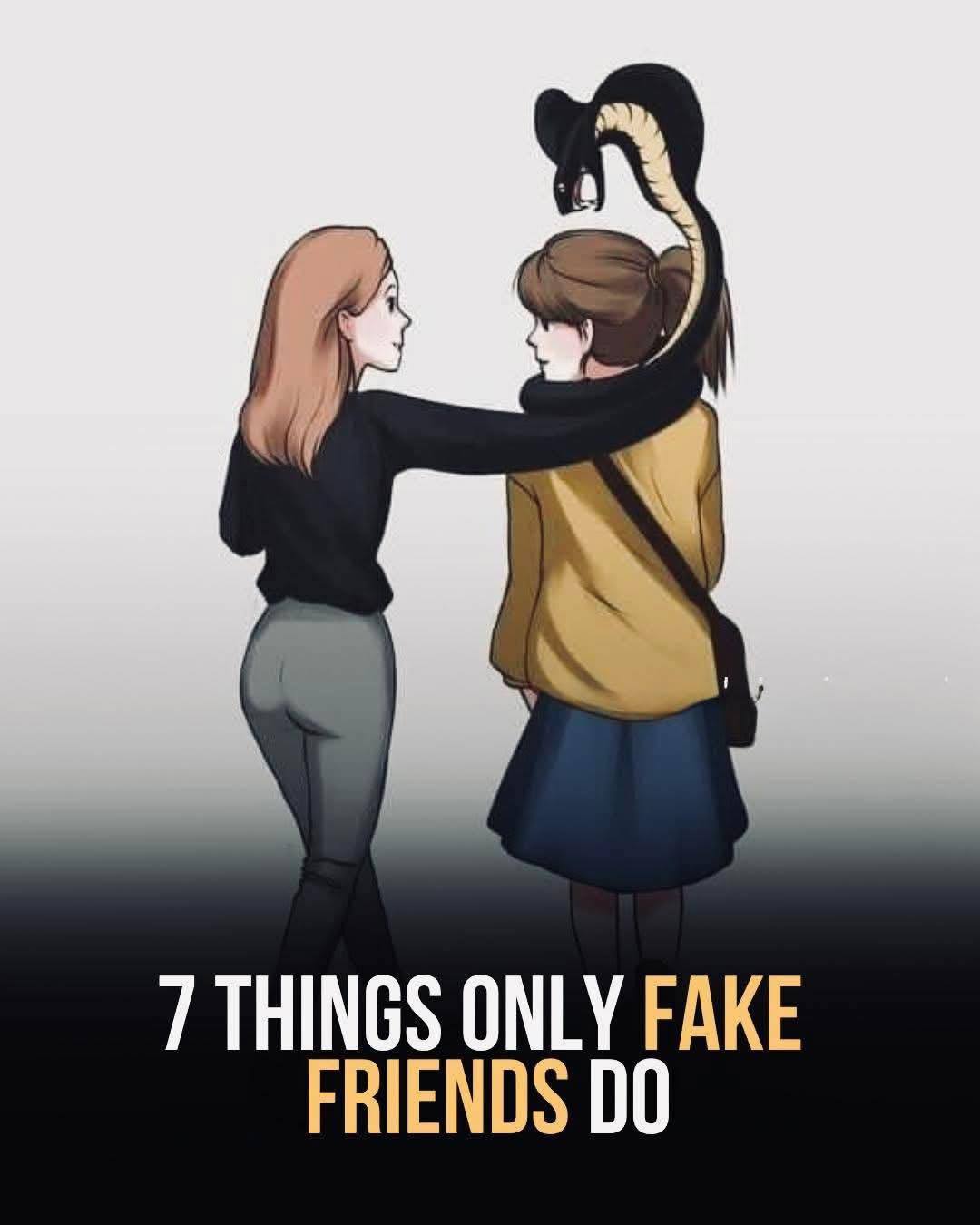
7 Behaviors Often Seen in Fake Friends (And How to Recognize Them Without Becoming Cynical)
Friendship is one of the most meaningful parts of human life. The right friends can support you through challenges, celebrate your wins, and help you grow into your best self. But not all friendships are equal. Some relationships feel one-sided, confusing, or draining—leaving you wondering whether the connection is genuine.
The phrase “fake friends” is often used online, but real life is usually more complicated. People are not simply good or bad. Instead, some friendships lack balance, honesty, or emotional support.
Understanding certain patterns can help you protect your emotional wellbeing without becoming distrustful of everyone around you.
Here are seven common behaviors often associated with unhealthy or insincere friendships—and what they may actually mean in real life.
1. They Only Show Up When They Need Something
One of the most common signs people associate with fake friends is inconsistency in presence.
Some individuals only reach out when they need:
a favor
emotional support
money or resources
or help solving a problem
But outside of those moments, they rarely check in or maintain contact.
A healthy friendship is built on mutual effort. Even if communication is not constant, both people usually make an effort to stay connected in meaningful ways.
When one person consistently gives and the other only receives, the relationship can begin to feel unbalanced.
However, it’s also important to recognize that life circumstances—stress, mental health struggles, or personal challenges—can affect how someone communicates. The key difference is pattern and intent over time.
2. They Don’t Celebrate Your Success
Real friends feel happy when something good happens to you. Even if life is difficult for them, they still acknowledge your achievements sincerely.
Fake or unhealthy friendship dynamics may show up when someone:
minimizes your success
changes the subject quickly
responds with jealousy or sarcasm
or makes your achievement about themselves
For example, instead of saying “I’m proud of you,” they might respond with something like “Must be nice” or bring attention back to their own struggles.
This behavior can feel subtle but emotionally draining over time.
True friendship allows space for both people to shine without competition.
3. They Gossip About You Behind Your Back
Trust is the foundation of any strong relationship.
When someone shares your private information without your permission, it can signal a lack of respect for boundaries.
Gossip may include:
repeating personal stories you shared in confidence
exaggerating details to others
or speaking negatively about you when you’re not present
Even if it seems harmless at first, repeated behavior like this often creates emotional distance and insecurity.
Healthy friendships protect each other’s privacy, not use it as entertainment.
