
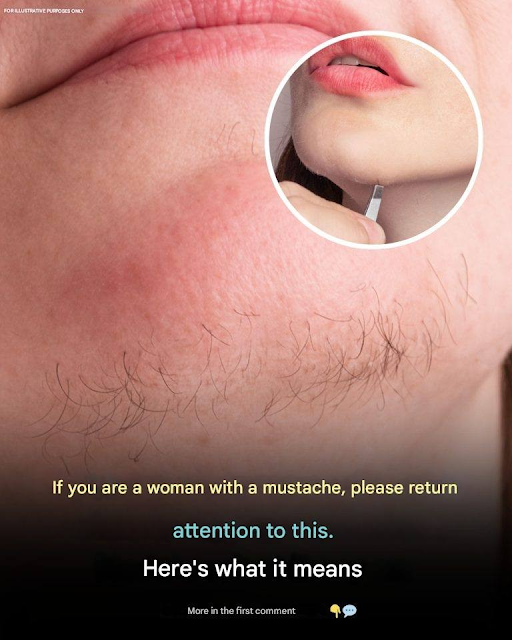
Hide facial hair
Remove it constantly
Avoid discussing it openly
As a result, something biologically common becomes emotionally isolating.
This is one reason sensational online headlines spread so easily: they target insecurities many people already carry privately.
Common Hair Removal Methods
Women use many different approaches to manage facial hair depending on personal preference.
Common methods include:
Tweezing
Waxing
Threading
Shaving
Depilatory creams
Laser hair removal
Electrolysis
Each method has advantages and disadvantages related to:
Cost
Pain
Duration
Skin sensitivity
Hair texture
Importantly, shaving does not make hair grow back thicker—a common myth that continues to circulate widely.
Hair may feel coarser temporarily because shaved hair has a blunt edge when regrowing.
Laser Hair Removal and Modern Treatments
Laser hair removal has become increasingly popular for long-term reduction of facial hair.
It works by targeting pigment in hair follicles using concentrated light energy.
Results vary depending on:
Hair color
Skin tone
Hormonal factors
Treatment consistency
Women with hormone-related facial hair may still require maintenance treatments over time.
Electrolysis remains another permanent hair-removal option, though it often requires multiple sessions.
Social Media and Misinformation
The internet has dramatically changed how people discuss beauty and health.
Unfortunately, it has also amplified misinformation.
Clickbait headlines often frame chin hair as:
A “danger sign”
A hidden illness
A shocking secret
A dramatic hormonal crisis
These posts are designed to provoke emotional reactions rather than provide accurate health information.
In reality:
A few chin hairs are very common
Hormonal changes are normal throughout life
Medical evaluation is only necessary if other symptoms appear or hair growth changes significantly
When Someone Should See a Doctor
Although occasional chin hairs are usually harmless, medical evaluation may be helpful if facial hair growth:
Appears suddenly
Becomes significantly thicker
Is accompanied by irregular periods
Occurs alongside severe acne
Happens with scalp hair loss
Is associated with rapid body changes
A healthcare professional can determine whether hormone testing or further evaluation is appropriate.
The Importance of Body Neutrality
Conversations about facial hair often become tied to unrealistic beauty standards.
But biologically, human bodies are varied and imperfect.
Hair growth patterns differ widely between individuals.
Understanding this can reduce unnecessary shame and anxiety surrounding completely normal physical traits.
Body neutrality encourages people to see these features not as personal failures, but as natural variations of human biology.
Breaking the Stigma
More women have started speaking openly online about facial hair, hormonal conditions, and body image struggles.
This openness helps challenge the idea that women must appear completely hairless to be considered feminine or attractive.
In many ways, public conversations about chin hair are becoming part of a larger cultural shift toward:
Realistic beauty standards
Medical transparency
Reduced shame around bodily changes
Final Thoughts
Chin hair in women is far more common than sensational headlines suggest.
In many cases, it is simply the result of:
Genetics
Aging
Hormonal fluctuations
Natural biological variation
Sometimes it may be associated with conditions such as Polycystic Ovary Syndrome or other hormonal imbalances, especially when accompanied by additional symptoms.
But a few chin hairs alone are not automatically a warning sign of serious illness.
The most important thing is understanding the difference between internet fear tactics and actual medical information.
Bodies change over time.
Hormones fluctuate.
And many physical traits that people feel embarrassed about are, in reality, incredibly normal.
