
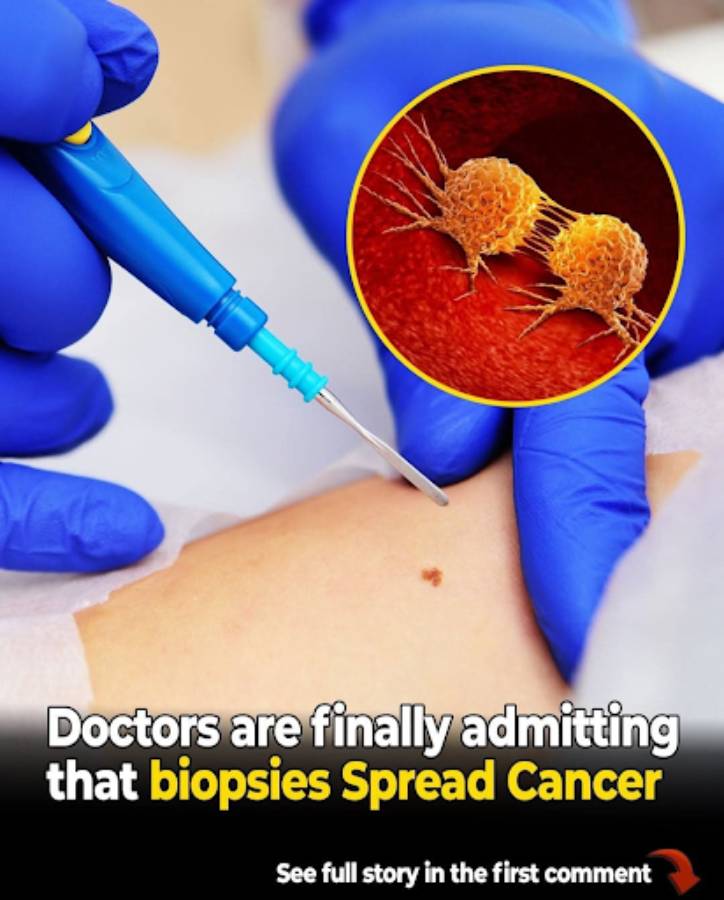
word “cancer” alone is enough to send a chill down anyone’s spine. When a doctor follows that word with the recommendation for a biopsy, the anxiety often doubles. Although many of us aren't even aware, there has been a persistent fear circulating for decades: the idea that poking a tumor with a needle or cutting into it might disturb the cancer cells, causing them to leak out and spread to other parts of the body.
For years, many patients have worried that the very test designed to save their lives might actually endanger them. Recently, more transparent conversations in the medical community have addressed these concerns head-on. Is it true? Do biopsies spread cancer?
The reality is more nuanced than a simple “yes” or “ no.” While medical professionals acknowledge a phenomenon known as “ seeding,” the scientific consensus remains clear: the diagnostic necessity of a biopsy far outweighs the risks involved. To understand why, we must look past the sensational headlines and dive into the mechanics of how biopsies work and what the data actually tells us.
What exactly is a biopsy?
Focused lab scientist collecting in vitro cultured embryos for biopsy
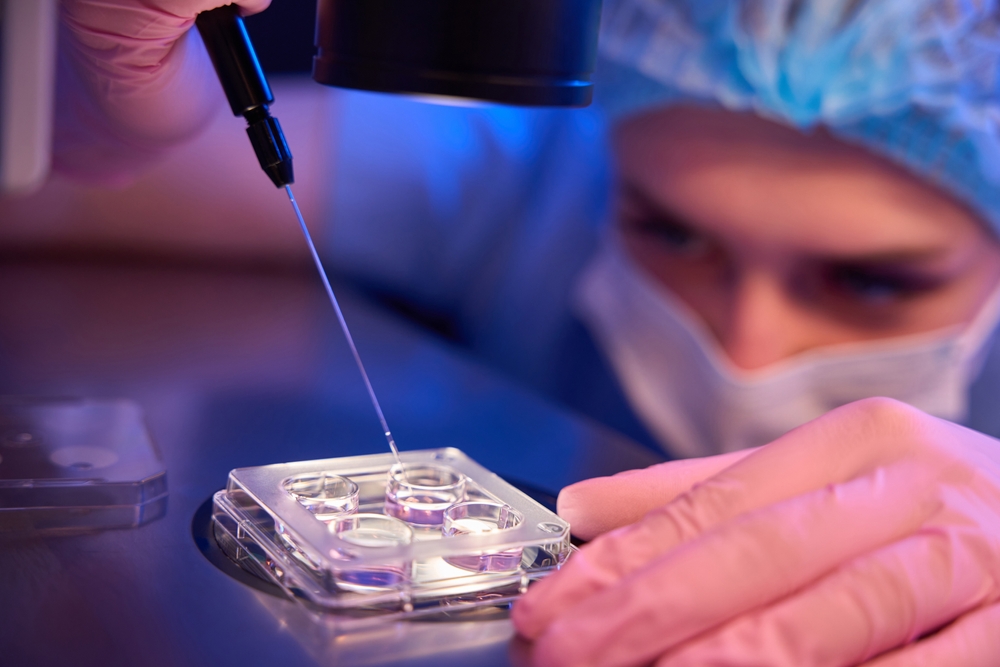
Before addressing the fear of spreading cancer , it is vital to understand what a biopsy is and why it is performed. A biopsy is a medical procedure where a small sample of tissue, cells, or fluid is removed from a suspicious area in the body. This sample is then sent to a pathologist, a doctor who specializes in studying cells, who examines it under a high-powered microscope.
There are several types of biopsies, ranging from a fine-needle aspiration to a core biopsy needle, or a slightly larger needle, to surgical biopsies where a portion of a lump is removed.
