

The choice of seasoning is equally important. A simple mix of coarse salt, black pepper, and garlic provides preservation and flavor, while paprika, cumin, or coriander can introduce regional aromatic flair. A touch of vinegar or lemon ensures acidity for further preservation.
Precision in preparation is crucial. The knife is the primary tool in achieving consistent, uniform slices. Fat should be meticulously trimmed, and slices cut to uniform thickness to allow even drying and prevent undercooked or overly chewy sections.
The slicing technique also affects texture. Cutting with the grain yields a tougher, traditional chew, reminiscent of old-fashioned sun-dried beef. Slicing against the grain produces a more tender bite, suitable for contemporary culinary applications or casual snacking.
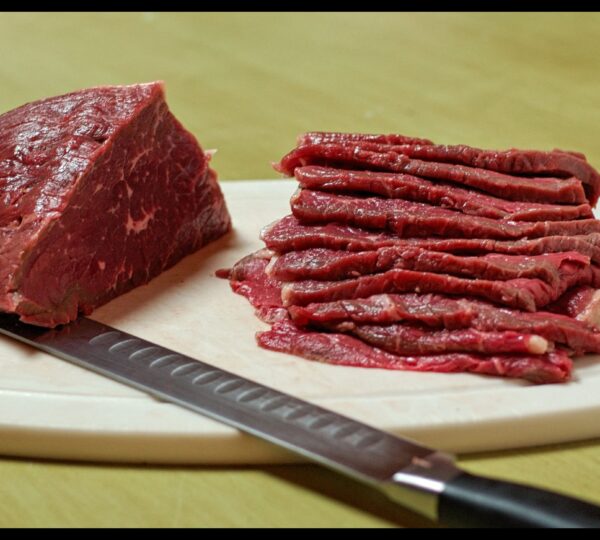
Once trimmed and sliced, the curing phase begins. Salt, spices, and acidic components are thoroughly rubbed into every fiber. This is not just seasoning—it is a transformative process that draws moisture out and infuses flavor throughout the protein.
After applying the cure, the meat is transferred to a covered container and refrigerated for 12 to 24 hours. This allows the salt to penetrate deeply, creating a firm texture while also reducing the potential for microbial growth during drying.
The drying process itself can be approached in several ways. Traditional air-drying, the oven method, and modern dehydrators each provide distinct outcomes, though all aim to reduce moisture content while preserving flavor and structural integrity.
For traditional air-drying, the meat is hung in a clean, dry, and exceptionally well-ventilated space. Days may pass before the meat achieves optimal dryness, requiring careful monitoring to prevent contamination from pests or environmental moisture.
The oven method is practical in modern kitchens. Low temperatures—roughly 70–80°C (160–175°F)—allow moisture to escape gradually. Prop the oven door slightly open to maintain airflow, and monitor for even drying over 4 to 6 hours.
Dehydrators provide controlled conditions, typically set to 65–70°C (150–160°F). These devices remove moisture evenly, often resulting in a product that is firm to the touch yet pliable, capable of bending without snapping—a hallmark of perfectly dried beef.
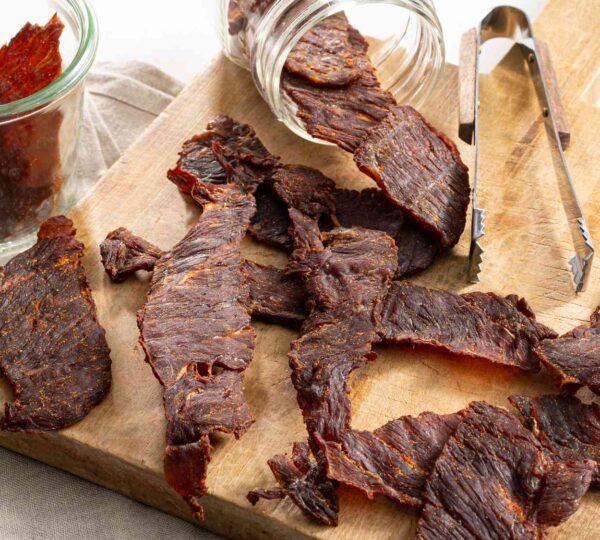
Regardless of the method, spacing is crucial. Meat slices should not touch, allowing air to circulate freely around each piece. Crowding slows drying and increases the risk of spoilage or uneven texture, undermining the preservation process.
Once dried, the meat must cool completely before storage. Sealing while warm traps residual heat and moisture, creating an environment conducive to bacterial growth. Proper cooling ensures a shelf-stable product with extended longevity.
Storage conditions significantly influence the quality of the finished product. Airtight containers in a cool, dark space maintain texture and flavor. Refrigeration or freezing further extends shelf life while preventing oxidation and microbial contamination.
Serving dried beef is as versatile as its preparation. Historically, it was incorporated into daily meals—sliced into beans, eggs, or stews—adding protein, flavor, and sustenance, reflecting the pragmatic ingenuity of past culinary traditions.
