

In today’s era, dominated by flash-freezing technology, rapid grocery delivery, and convenience-driven diets, we have largely distanced ourselves from the deliberate.
Rhythmic, seasonal logic that governed traditional kitchens for generations. The modern approach prioritizes speed over patience.
For those who grew up learning from a grandmother with a sharp knife and a well-ventilated porch, the term “dried beef” carries a specific, tangible weight. It is not merely a snack but a culinary tradition deeply rooted in survival.
Across regions and families, this preserved meat may be called jerky, sun-dried beef, or simply “meat on the rack.” Despite the various names, it represents a method that predates refrigeration, reflecting centuries of practical food preservation knowledge.
The appeal of dried beef lies in its concentration of flavor and texture. By removing moisture and infusing seasoning, this technique transforms ordinary cuts into a product that is intensely savory, resilient, and extraordinarily portable for everyday or emergency use.
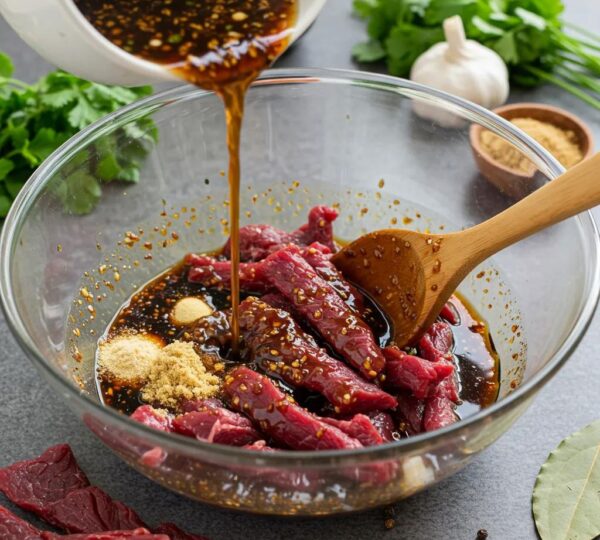
Historically, this preparation method was a critical pillar of food security. Families relied on it to ensure protein availability throughout the year, particularly during winter months when fresh meat was scarce or unavailable in rural communities.
While nomenclature differs, the fundamental technique remains constant. This report explores the traditional, time-honored method of transforming lean protein into a versatile staple that fits as seamlessly in a hiker’s pack as it does in a simmering pot of beans.
The foundation of quality dried beef begins with sourcing. Lean cuts are paramount. Fat content is the primary enemy of preservation, as it oxidizes and turns rancid, compromising both flavor and longevity of the final product over time.
Recommended cuts include round, flank, or sirloin. These cuts are naturally lean, contain uniform muscle fibers, and respond well to the curing and drying process. Avoid marbled or fatty cuts, which reduce shelf stability.
