
What helps: Maintain good oral hygiene and schedule regular dental checkups.
5. Neurological Conditions
Certain neurological disorders can affect muscle control and swallowing reflexes, leading to saliva pooling in the mouth. While this cause is less common, persistent drooling combined with speech or movement difficulties should be evaluated by a professional.
What helps: Medical assessment and condition-specific management.
6. Medication Side Effects
Some medications—especially those affecting the nervous system or used for mental health conditions—can increase saliva production or reduce swallowing during sleep.
What helps: Never stop medication on your own, but discuss side effects with your healthcare provider.
When Should You Be Concerned?
Occasional drooling is normal. However, consider seeking medical advice if drooling:
-
Happens every night
-
Appears suddenly without an obvious reason
-
Is accompanied by difficulty swallowing, breathing issues, or neurological symptoms
Final Thoughts
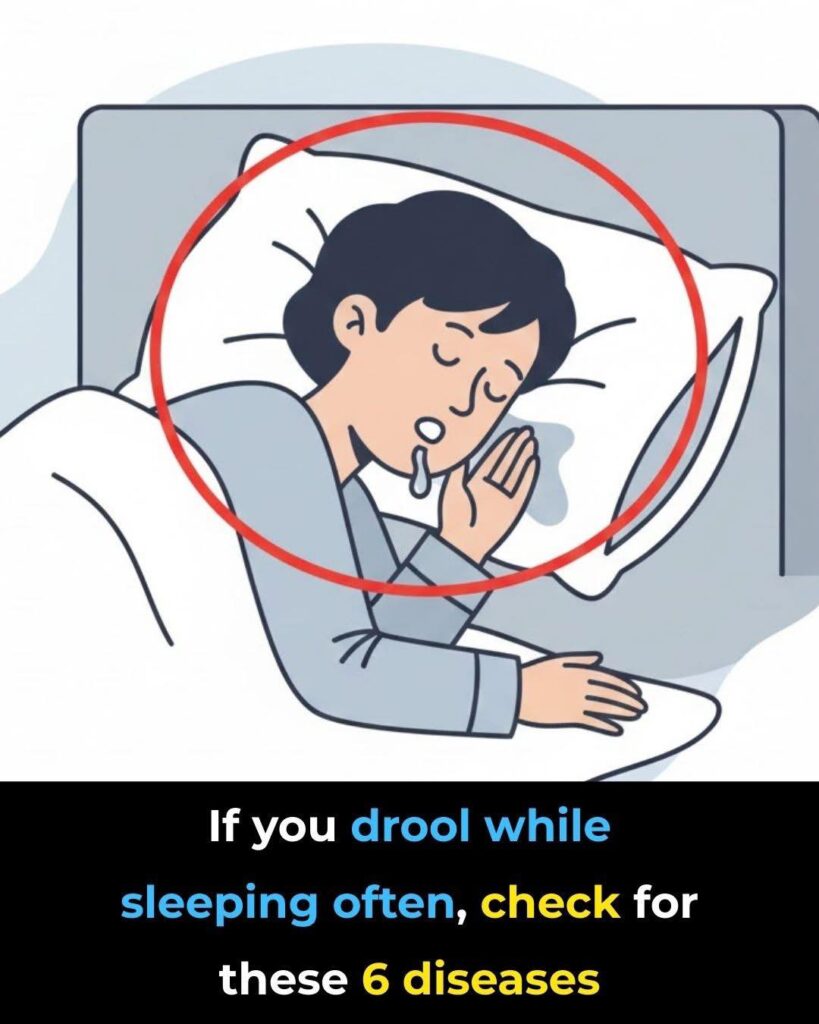
Drooling while sleeping is usually linked to simple, manageable causes like sleep position or nasal congestion. In most cases, small adjustments can significantly reduce it. Paying attention to your body and seeking guidance when something changes is the best way to protect your health.
