
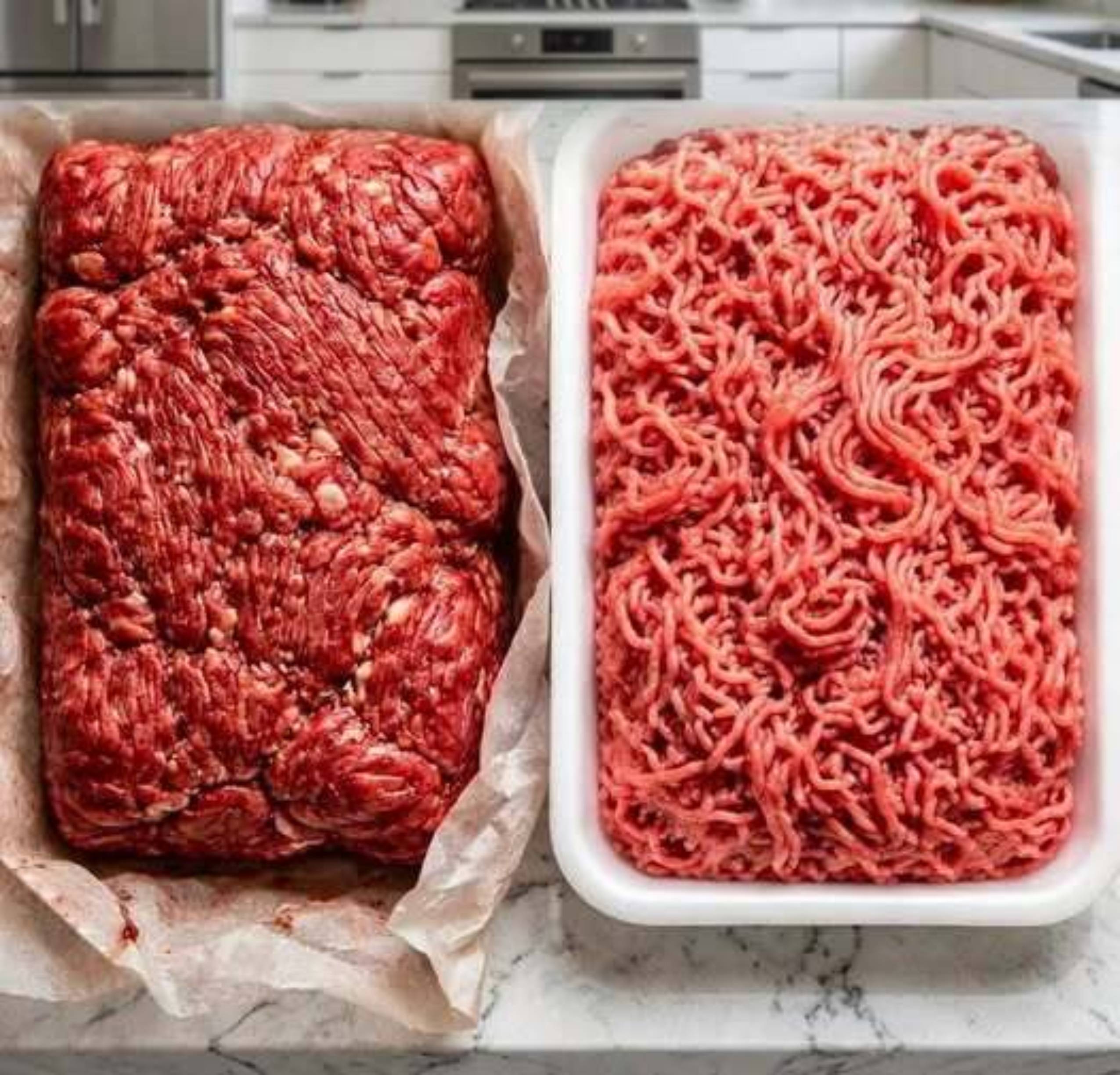
Nutrition is often a central concern for consumers choosing between different sources of beef. While both farm-raised and supermarket beef provide essential nutrients such as protein, iron, zinc, and B vitamins, there can be subtle variations depending on how the cattle were raised.
Pasture-raised beef, for instance, is often higher in omega-3 fatty acids and conjugated linoleic acid (CLA), compounds linked to cardiovascular health and anti-inflammatory benefits. Grass-fed cattle tend to produce leaner meat with slightly higher antioxidant content compared to grain-fed cattle. On the other hand, grain-fed beef commonly found in supermarkets can offer more marbling, which some consumers associate with flavor and tenderness.
It is important to note that these nutritional differences, while measurable, may be relatively modest in the context of a balanced diet. Nonetheless, they are part of the broader decision-making process for individuals who prioritize health, dietary goals, or specific cooking preferences.
The Role of Animal Welfare in Consumer Choices
Animal welfare is another factor shaping consumer preferences. Many buyers of farm-raised beef are drawn to smaller operations because they offer greater transparency regarding how animals are treated. Cattle that have access to pasture, open spaces, and natural grazing patterns may experience less stress compared to animals confined to feedlots.
Supermarket beef producers also adhere to welfare regulations, but the scale of large commercial operations can sometimes lead to perceptions—whether accurate or not—of reduced individualized care. For some shoppers, knowing that the animals were raised in humane, environmentally conscious conditions can be as important as taste or nutritional content.
Environmental Impact: Sustainability Matters
Increasingly, buyers are factoring environmental considerations into their food choices. Pasture-based and rotational grazing systems can support soil health, reduce erosion, and encourage biodiversity. They can also sequester carbon in the soil, contributing positively to climate mitigation efforts.
Large-scale commercial farming systems, meanwhile, focus on efficiency. Advanced feed management, water usage optimization, and technology-driven logistics can reduce waste per unit of meat produced, but such operations may still contribute to higher greenhouse gas emissions if cattle are grain-fed or confined. Consumers interested in sustainability may weigh the benefits of local, pasture-raised meat against the efficiency and resource management of commercial systems.
Exploring Specialty and Heritage Breeds
Smaller farms often raise heritage or specialty cattle breeds that are not commonly found in supermarkets. These breeds can offer unique flavor profiles, textures, and marbling characteristics. For food enthusiasts, this variety adds richness to cooking, allowing home chefs to experiment with distinct cuts and preparations.
Supermarket beef typically comes from widely raised breeds selected for consistency, rapid growth, and adaptability to large-scale production systems. This standardization ensures a predictable taste and texture across regions, which appeals to consumers who value reliability in their meals.
Community Connections and Educational Opportunities
Purchasing beef from local farms or farmers’ markets does more than provide meat—it fosters community connections. Consumers can meet farmers, ask questions about feeding practices, and learn about seasonal changes in production. Some farms even offer tours or workshops, allowing families to see firsthand how food is produced, strengthening knowledge of agricultural systems and environmental stewardship.
These experiences contribute to food literacy, empowering people to make informed choices and fostering appreciation for the labor and expertise involved in producing high-quality meat. Supermarkets, while less interactive, increasingly provide educational resources through labeling, QR codes, or promotional materials explaining sourcing practices and certifications.
Cost-Effective Strategies for Farm-Raised Beef
While farm-raised beef can sometimes be more expensive per pound, there are strategies to manage cost. Many consumers purchase meat in bulk, such as half or quarter cows, which can be frozen and stored for long periods. Community-supported agriculture (CSA) programs may also offer subscription models that reduce per-pound costs while ensuring a steady supply of locally sourced meat.
By combining bulk purchasing with proper storage techniques, families can enjoy the benefits of farm-raised beef without exceeding their budget. Meanwhile, supermarket beef remains an accessible option for everyday meals, offering flexibility for households with tighter financial constraints or limited freezer space.
Cooking Techniques and Flavor Exploration
Regardless of the source, cooking techniques are critical in maximizing the flavor and texture of beef. Tender cuts such as ribeye, tenderloin, and strip steaks are well-suited for quick, high-heat cooking methods like grilling or pan-searing. Tougher cuts, including chuck, brisket, or shank, benefit from slow cooking, braising, or smoking, which break down connective tissue and enhance richness.
For those experimenting with pasture-raised or heritage beef, slow-cooked recipes can bring out the complex flavors unique to these meats. In contrast, grain-fed supermarket beef can be ideal for everyday meals that require predictable tenderness and consistency. Understanding the nuances of cooking allows home chefs to choose the right technique for the specific cut and source of beef.
Balancing Values, Preferences, and Practicality
Ultimately, choosing between farm-raised and supermarket beef involves balancing multiple factors: taste, nutrition, cost, convenience, environmental impact, and personal values. Consumers may decide to purchase farm-raised beef for special occasions or to support local farmers, while relying on supermarket beef for regular meals.
This blended approach allows households to benefit from the strengths of both systems, enjoying the unique qualities of local meat while maintaining accessibility and affordability through supermarkets.
