
Selenium Deficiency and Age Spots: How This Mineral Affects Skin Health
What Are Age Spots and Why Do They Appear?
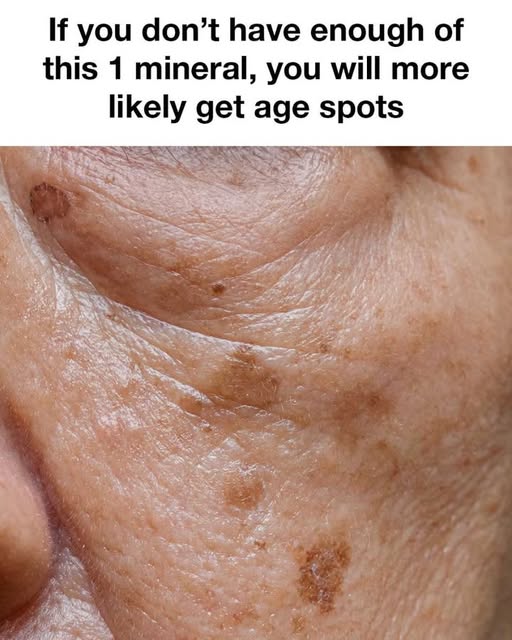
Age spots, also known as liver spots or solar lentigines, are flat brown, gray, or black spots that develop on areas of the skin frequently exposed to the sun, such as the face, hands, shoulders, and arms. They are most common in adults over 50, but younger individuals can also develop age spots due to prolonged sun exposure.
Age spots form when the skin produces excess melanin, the pigment responsible for skin color. Factors such as UV radiation, aging, and genetic predisposition significantly contribute to their appearance.
Understanding the Role of Minerals in Skin Health
Minerals are essential for maintaining healthy, resilient skin. They support vital biological processes such as:
-
Skin cell regeneration
-
Protection against oxidative stress
-
Maintenance of skin structure and elasticity
Key minerals like zinc, copper, and selenium help protect the skin from environmental damage and support its natural repair mechanisms.
What Is Selenium and Why Is It Important for the Skin?
Selenium is an essential trace mineral with powerful antioxidant properties. It helps protect skin cells from damage caused by free radicals, which accelerate skin aging and contribute to pigmentation disorders.
Selenium also:
-
Supports immune function
-
Aids thyroid hormone metabolism
-
Helps maintain overall skin integrity
Its antioxidant role makes selenium particularly important for preventing premature skin aging.
The Link Between Selenium Deficiency and Age Spots
A selenium deficiency can increase oxidative stress in the body. When antioxidant defenses are weakened, the skin becomes more vulnerable to UV damage, leading to excessive melanin production and the formation of age spots.
Adequate selenium intake may help:
-
Reduce oxidative damage
-
Protect the skin from sun-related pigmentation
-
Support even skin tone
Scientific Evidence on Selenium and Skin Health
Research suggests that selenium may help protect the skin from UV-induced damage and lower the risk of certain skin disorders. Some studies indicate that selenium, especially when combined with other antioxidants, can:
-
Improve skin elasticity
-
Reduce visible signs of aging
-
Minimize the appearance of age spots
These findings highlight selenium’s role in skin protection and anti-aging support.
Symptoms and Signs of Selenium Deficiency
Selenium deficiency may present with general symptoms such as:
-
Fatigue
-
Muscle weakness
-
Weakened immune response
In terms of skin health, deficiency may lead to:
-
Increased sun sensitivity
-
Slower wound healing
-
Higher risk of age spots and pigmentation issues
Early recognition is important to prevent further skin and health complications.
How Much Selenium Do You Need Daily?
The recommended dietary allowance (RDA) for selenium varies by age and gender, but most adults need approximately 55 micrograms per day.
Meeting daily selenium needs through a balanced diet is generally sufficient for most people.
Best Dietary Sources of Selenium
Foods naturally rich in selenium include:
-
Brazil nuts (very high source)
-
Seafood (tuna, sardines, halibut)
-
Organ meats (liver)
-
Eggs
-
Sunflower seeds
-
Whole grains
Including these foods regularly can help maintain optimal selenium levels.
Selenium Supplements: Benefits and Potential Risks
Selenium supplements may benefit individuals with confirmed deficiencies, but excessive intake can be harmful. Selenium toxicity may cause symptoms such as:
-
Digestive discomfort
-
Hair loss
-
Brittle nails
-
Nerve issues
Always consult a healthcare professional before starting supplementation.
Preventing Age Spots: More Than Just Selenium
While selenium plays an important role, preventing age spots requires a comprehensive approach:
-
Daily use of broad-spectrum sunscreen
-
Wearing protective clothing
-
Avoiding peak sun exposure
-
Eating a diet rich in antioxidants
-
Staying well hydrated
-
Maintaining a consistent skincare routine
Conclusion: Why Selenium Matters for Healthy, Youthful Skin
Selenium is a vital mineral that helps protect the skin from oxidative stress, UV damage, and age-related pigmentation, including age spots. Ensuring adequate selenium intake—primarily through diet—combined with sun protection and healthy lifestyle habits, can support clearer, healthier-looking skin.
Understanding the role of selenium in skin health empowers you to make informed choices that help reduce age spots and promote long-term skin vitality.
