
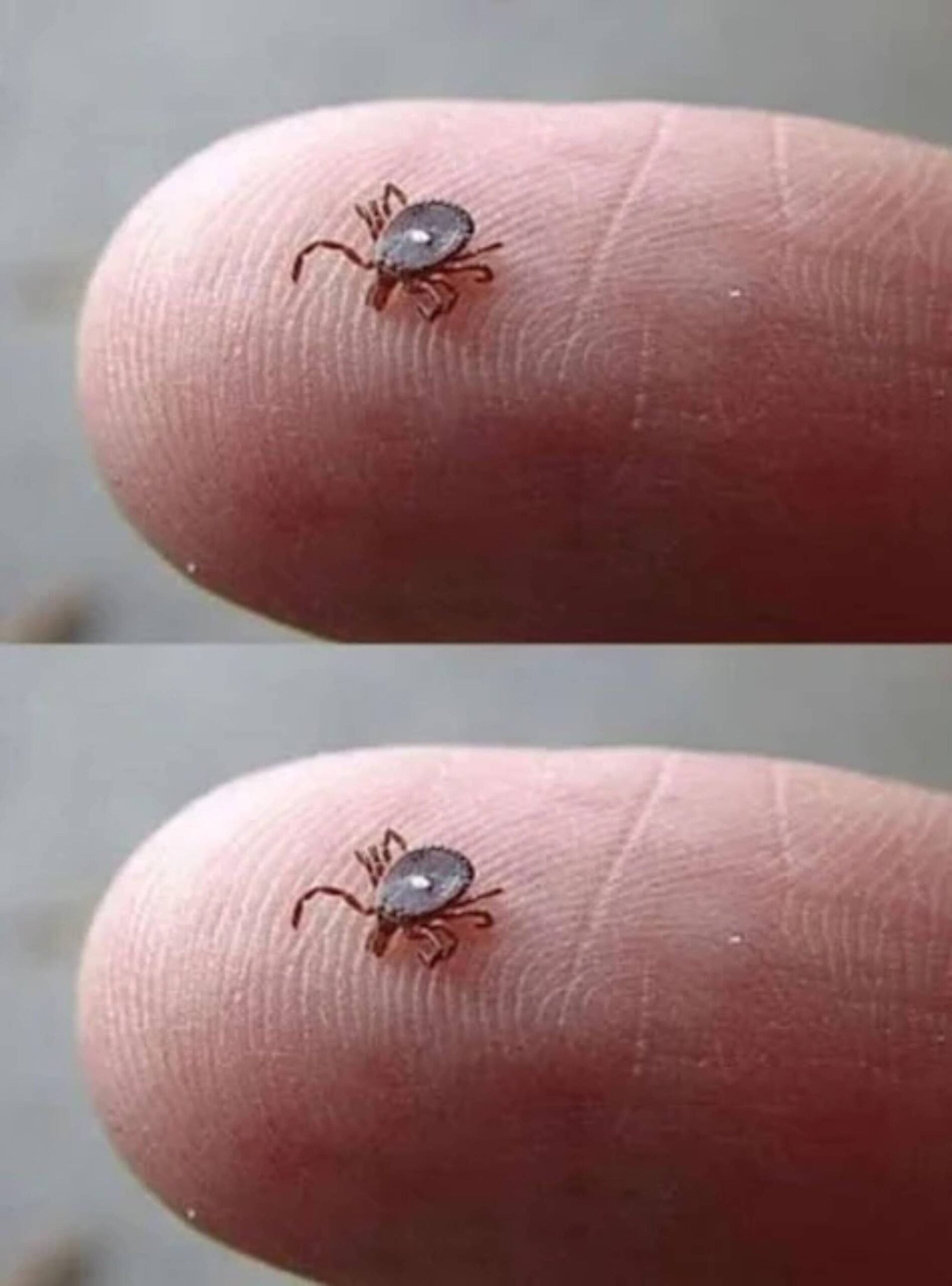
Step 2: Clean and Monitor the Bite Site
After removal:
Clean with soap and water again
Apply an antibiotic ointment (like Neosporin)
Mark the date on your calendar
Take a photo of the bite site (for reference)
Watch for these signs in the coming days and weeks:
| Symptom | When to Worry |
|---|---|
| Redness or irritation | Normal for first 24-48 hours |
| Expanding red rash (bull's-eye or solid) | Seek medical attention |
| Fever, chills, muscle aches | Seek medical attention |
| Fatigue, headache, joint pain | Seek medical attention |
| Rash anywhere on body | Seek medical attention |
The classic bull's-eye rash (erythema migrans) is associated with Lyme disease, but not everyone gets it—and other tick-borne illnesses present differently.
Step 3: Know When to See a Doctor
Not every tick bite requires a doctor visit. But certain situations do:
See a doctor if:
You can't remove the entire tick (mouthparts remain embedded)
The tick was attached for 24 hours or more (risk of disease transmission increases significantly after 24-36 hours)
You develop any symptoms (rash, fever, flu-like illness) within 30 days of the bite
The bite site becomes infected (increasing redness, warmth, pus)
You live in or visited a high-risk area for tick-borne diseases
The tick was engorged (meaning it fed for a while)
For high-risk situations, doctors may recommend a single dose of doxycycline (antibiotic) as preventive treatment, especially if:
The tick is identified as a deer tick (Ixodes)
It was attached for at least 36 hours
Treatment can be started within 72 hours of tick removal
