
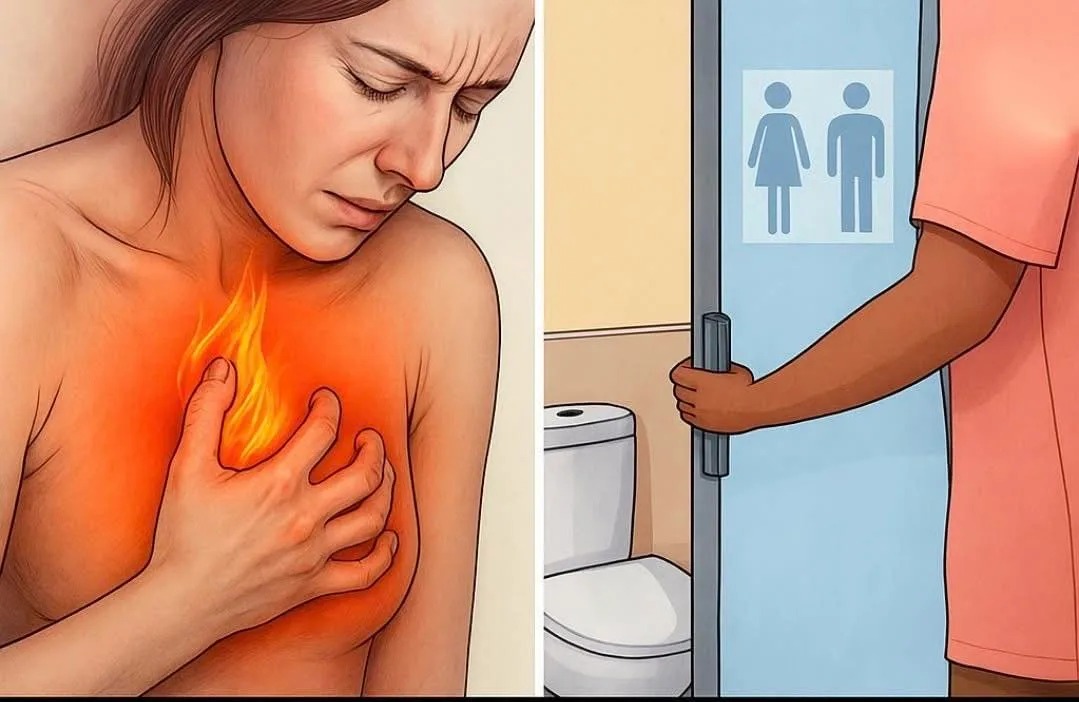
Do you ever wake up several times during the night as if your bladder has turned on a night alarm clock? This phenomenon, both common and irritating, may seem harmless... But sometimes it hides signals that our body tries to send us unnoticed. Nocturia – this is the scientific name for this condition – affects a large number of adults, especially after the age of forty. Frequent urge to urinate at night disrupts sleep, leads to fatigue upon waking up and can even affect mood. But why does our body wake us up so often?
There are several possible reasons for these night walks to the toilet, some of them minor and others that are worth paying closer attention to.
It was too late... or excessive hydration
This is the first habit to check: have you drunk too much water (or herbal tea!) before bed? Drinking plenty of fluids in the evening, especially diuretic drinks such as tea or soft drinks, can lead to an overactive bladder at night. In this case, the change in the time of the last fluid intake can be decisive.
Tip: try to stop drinking fluids at least two hours before bedtime and watch the result.
Disturbed sleep... Which "wakes up the bladder"
Sometimes it is not the need to urinate that wakes you up, but the bad sleep itself. Once you wake up, even slightly, even a slight sensation of a full bladder can become an alarm signal. A vicious circle occurs: poor sleep → nocturnal awakenings → urge to urinate → even more awakenings...
Hormonal signals that change with age
As we age, the body produces less than one key hormone – vasopressin, which helps concentrate urine at night. The result? The volume of urine increases and awakenings become more frequent. This phenomenon affects both women and men, usually after the age of 50.
When the heart is involved: a link to blood circulation
The link between nocturia and cardiovascular health is not always obvious... And yet it exists. For some people, getting up at night to urinate can be a sign of impaired circulation, often associated with mild or moderate heart failure – even if it has not yet been diagnosed.
