
In fact, craft therapists and wellness advocates often encourage activities such as knitting, crochet, and tatting as forms of mindful creativity.
Why Handmade Lace Still Matters
While machine-made lace is widely available, handcrafted tatting continues to hold special value.
Handmade lace often carries:
Unique design variations
Personal artistic expression
Historical significance
Heirloom quality craftsmanship
Each piece reflects the time, skill, and dedication of the person who created it.
For many artisans, this personal connection makes tatting far more meaningful than mass-produced alternatives.
Practical Implications for People, Consumers, and Artisans
Understanding the Structure of a Tatting Shuttle
4
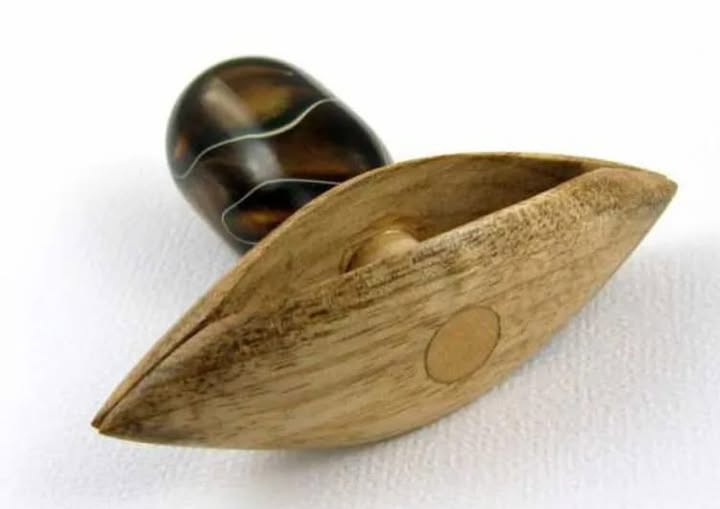
A traditional tatting shuttle has a simple yet highly functional design.
Most shuttles include the following components:
Central Body
The central body holds the thread. It is usually slightly curved so it fits comfortably in the hand.
Pointed Ends
The ends of the shuttle are typically narrow and pointed. These ends help guide the thread during knotting.
Thread Notches
Small grooves or notches help secure the thread and prevent it from slipping.
Hook or Pick
Some modern shuttles include a tiny crochet hook at one end. This feature helps connect rings and chains when creating complex lace patterns.
Although the tool itself is simple, mastering its use requires practice and careful attention to thread tension and hand movement.
The Basic Technique of Shuttle Tatting
The process of tatting involves forming double knots, which are the fundamental building blocks of lace patterns.
These knots are combined to create two main elements:
Rings
Rings are circular structures formed by tightening a series of knots around a loop of thread.
Chains
Chains connect rings and form flowing lines within lace designs.
By alternating rings and chains, artisans can create intricate motifs and repeating patterns.
The tatting shuttle allows the thread to move smoothly while maintaining consistent tension—a key factor in achieving professional-looking lace.
Decorative Elements: Picots and Patterns
One distinctive feature of tatting is the use of picots—tiny loops that add both texture and function to lacework.
Picots serve two purposes:
Decorative embellishment
Connection points for joining elements together
These delicate loops create the signature airy appearance of tatted lace.
By adjusting the size and spacing of picots, artisans can dramatically change the visual style of a pattern.
