
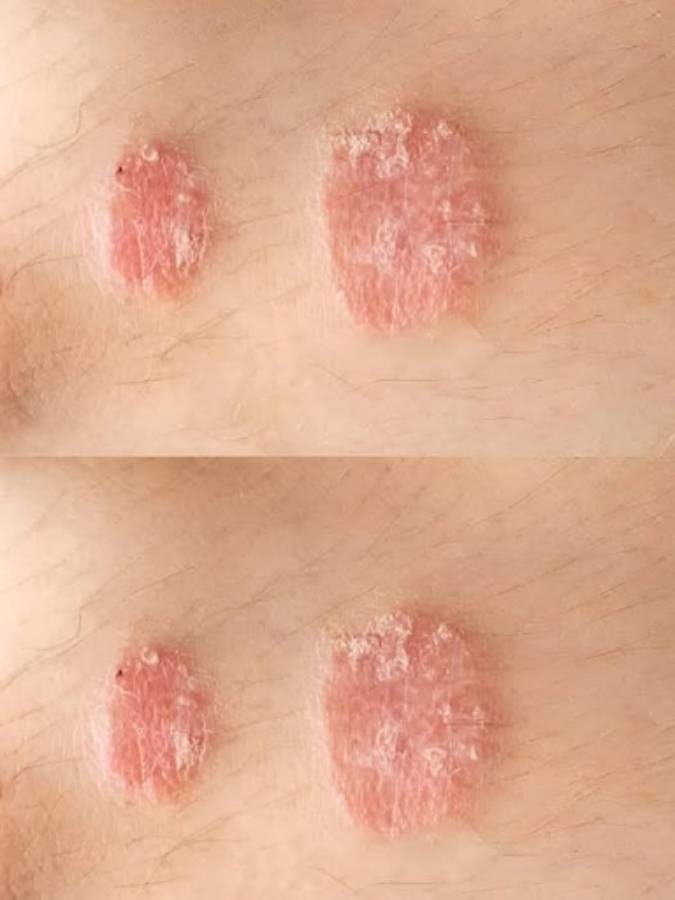
Each patient reacts differently (6/10)
The goal of treatment is to reduce inflammation and slow the excessive production of skin cells. Treatments are not one-size-fits-all; Each patient reacts differently, and it is often necessary to try several options before finding the most effective solution.
A significant psychological and social impact (7/10)Beyond the physical symptoms, psoriasis also has a significant psychological impact. The disease is often visible, and its manifestations can cause embarrassment and social discomfort.
Self-esteem (8/10)
According to the World Health Organization (WHO), psoriasis is one of the diseases with the strongest psychological impact. People with psoriasis may suffer from depression, anxiety, and low self-esteem.
Other complications (9/10)
Psoriasis can also be accompanied by other complications, such as psoriatic arthritis, which affects between 5% and 30% of patients, according to studies. This form of arthritis causes joint pain, stiffness, and limited movement, making the daily management of the disease even more difficult.
© iStock
The importance of medical and psychological follow-up (10/10)
Living with psoriasis can be a daily challenge, but it's essential not to get discouraged. By working closely with a dermatologist, patients can find a treatment tailored to their specific needs. In addition, support groups and patient associations can offer valuable resources to help cope with the psychological aspects of the condition.
Psoriasis is a chronic skin condition that affects approximately 2 to 3% of the world's population. Although it is not contagious, it is often misunderstood and stigmatized. Finding a suitable treatment can be a long and frustrating process, but it is important not to lose hope.
