
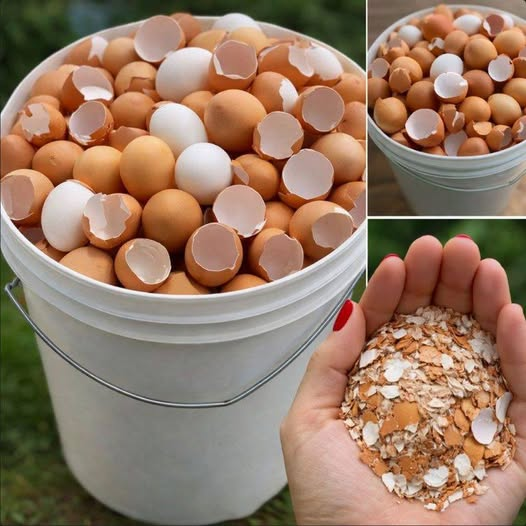
Don’t Throw Away Eggshells: Practical Uses, Benefits, and the Science Behind Boiling Them
Eggs are one of the most common foods in households around the world. Whether scrambled, boiled, baked, or fried, they are a daily staple for millions of people. But after enjoying the egg inside, most people do the same thing without thinking twice—they throw away the shells.
At first glance, eggshells seem like waste. They are brittle, lightweight, and not obviously useful. However, they are actually made of valuable natural compounds that can be repurposed in several practical ways.
One method that has gained attention is boiling eggshells before reusing them. This simple step is believed to make them safer and more versatile for household and gardening uses.
But what exactly can eggshells be used for? And does boiling them really make a difference?
This guide explores the science, safety, and practical applications of eggshell reuse in a clear and realistic way.
What Eggshells Are Made Of
To understand why eggshells are useful, it helps to look at their structure.
Eggshells are composed primarily of:
Calcium carbonate (about 95%)
Small amounts of proteins
Trace minerals such as magnesium and phosphorus
This composition is very similar to natural minerals found in soil and bone material.
Because of this, eggshells are often used in gardening, animal nutrition, and even homemade cleaning solutions.
Why People Boil Eggshells
Boiling eggshells is a common preparation step before reuse. It serves several purposes:
1. Removing bacteria
Raw eggshells may contain bacteria such as Salmonella. Boiling helps sanitize them.
2. Removing residue
Boiling helps loosen egg membrane and leftover egg whites stuck to the shell.
3. Reducing odor
Clean shells are less likely to develop unpleasant smells when stored or reused.
4. Preparing for grinding
Boiled shells are easier to dry and crush into powder form.
In short, boiling is not about changing the shell itself—it is about making it cleaner and safer for reuse.
