

Most people never expect a bathroom staple to raise questions about toxic chemicals, yet PFAS in toilet paper has entered that conversation for a reason. Researchers have found that some toilet paper products contain fluorinated compounds that can move into wastewater after use. That finding does not automatically turn every roll into a major personal cancer threat. It does, however, place an everyday household item inside a larger contamination problem that already worries scientists, regulators, and health experts.
Some PFAS compounds have links to cancer and other serious health concerns, while researchers still study the full risk of lower-level, repeated exposure from consumer products. Current evidence points more strongly to food and drinking water as major exposure routes, but toilet paper still matters because people use it constantly and flush it straight into wastewater systems. That combination gives this issue real weight. Consumers, therefore, need more than alarming headlines. They need a clear look at what researchers found, how much risk toilet paper may pose during use, how it may contribute to contamination after flushing, and which product types deserve extra caution.
Toilet Paper Enters the PFAS Debate
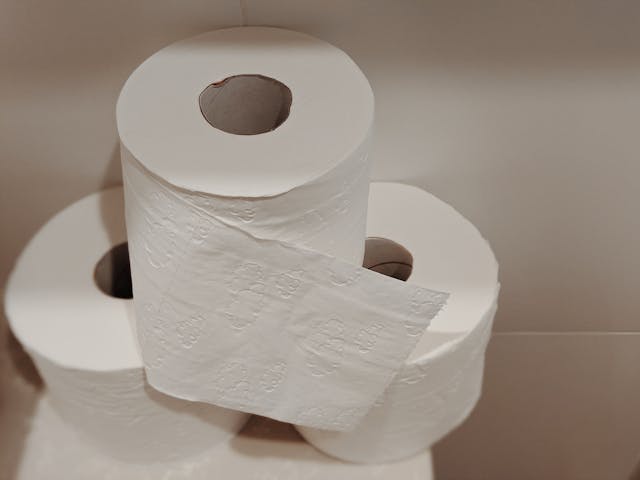
The modern debate did not start with a shopping guide or a viral warning. It started with a wastewater study. Jake Thompson, Boting Chen, John Bowden, and Timothy Townsend analyzed commercially available toilet paper from North America, South and Central America, Africa, and Western Europe. They then matched those results against sewage sludge data. Their conclusion landed with unusual force. They identified toilet paper as a potentially major source of PFAS entering wastewater systems. That finding grabbed attention because it pulled an ordinary paper product into a chemical problem more often linked to drinking water, industrial pollution, and food packaging. The researchers detected several PFAS compounds, but 6:2 diPAP clearly dominated the tissue samples. They also estimated that toilet paper accounted for about 4% of the 6:2 diPAP measured in sewage across the United States and Canada.
