
1. Polycystic Ovary Syndrome (PCOS)
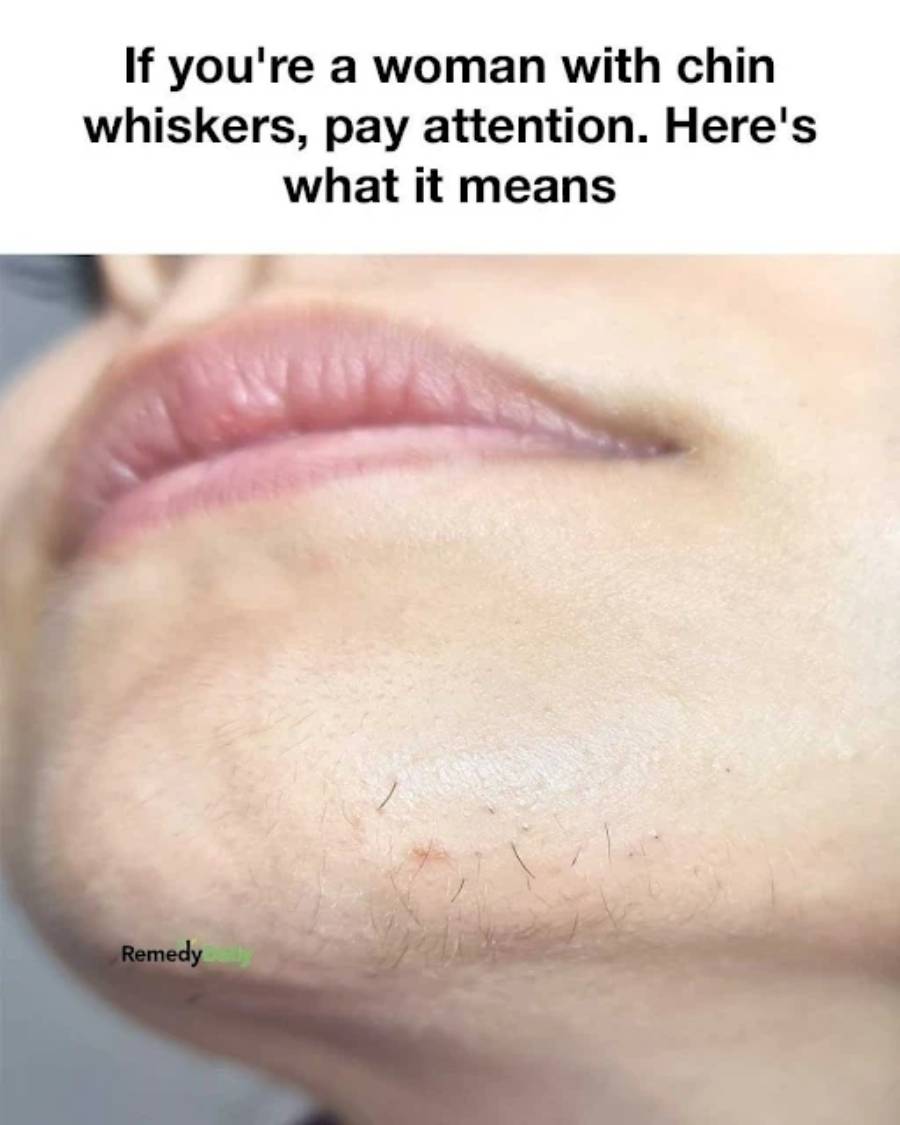
This is the most common culprit, affecting up to 1 in 10 women of childbearing age. PCOS is a hormonal disorder where the ovaries produce excess androgens. Alongside chin hairs, other signs include:
Irregular, skipped, or very light periods
Acne that won't quit, especially along the jawline
Thinning hair on the scalp
Difficulty losing weight or unexplained weight gain
Darkening skin patches in skin folds (acanthosis nigricans)
What to do: If this sounds familiar, a visit to your gynecologist or primary care provider for blood work and an ultrasound can provide answers. PCOS is highly manageable with lifestyle changes and medication.
2. Adrenal Gland Imbalances
Your adrenal glands, perched atop your kidneys, also produce androgens. Conditions like congenital adrenal hyperplasia (CAH) or adrenal tumors can trigger excess hair growth. This is less common but worth considering, especially if symptoms appeared very suddenly.
3. Postmenopausal Hormonal Shifts
As estrogen declines during menopause, the hormonal seesaw tips. Testosterone, which also declines but more slowly, can become relatively more dominant. Many women first notice chin whiskers in their 50s and 60s. This is often a normal variation rather than a disease state—but it's still worth mentioning to your doctor.
4. Insulin Resistance
High insulin levels can actually stimulate the ovaries to produce more testosterone. This is why PCOS and insulin resistance are so closely linked. If you're also experiencing fatigue after meals, sugar cravings, or dark patches on your skin, this connection is worth exploring.
5. Medications
Certain medications can trigger unwanted hair growth, including:
Some hormones (like Danazol)
Anabolic steroids
Certain seizure medications
Cyclosporine (an immunosuppressant)
The "Red Flag" Checklist: When to Seek Help
Occasional stray hairs are normal, especially as we age. But consider scheduling an appointment if:
✅ The hair growth is rapid or sudden. A few hairs over years is one thing; a noticeable increase over weeks or months is another.
✅ It's accompanied by menstrual changes. Skipped periods, very heavy bleeding, or cycles shorter than 21 days or longer than 35 days all warrant investigation.
✅ You have other hormonal signs. Severe acne, scalp hair thinning, or darkening skin in body creases.
✅ You're struggling with fertility. Excess androgens are a common factor in ovulatory issues.
✅ It's causing you significant distress. Even if everything is "normal" on paper, your quality of life matters. Don't dismiss your own discomfort.
What You Can Do Right Now
