Loss hollows out the world. In the days and weeks after someone you love dies, everything becomes heavy with meaning. A coffee mug left in the sink. The indent of a head on a pillow. A pair of reading glasses on the nightstand.
We cling to these things because they're all that's left. They feel like bridges—tangible connections to a presence that has vanished. And in some cases, they are. But here's a truth that grief rarely lets us see: not everything we keep helps us heal. Some things, held too tightly, keep us from moving forward.
This isn't about discarding memories or being "over it." Grief doesn't work that way, and anyone who suggests otherwise has never truly mourned. This is about distinguishing between keepsakes that honor and objects that anchor us in pain.
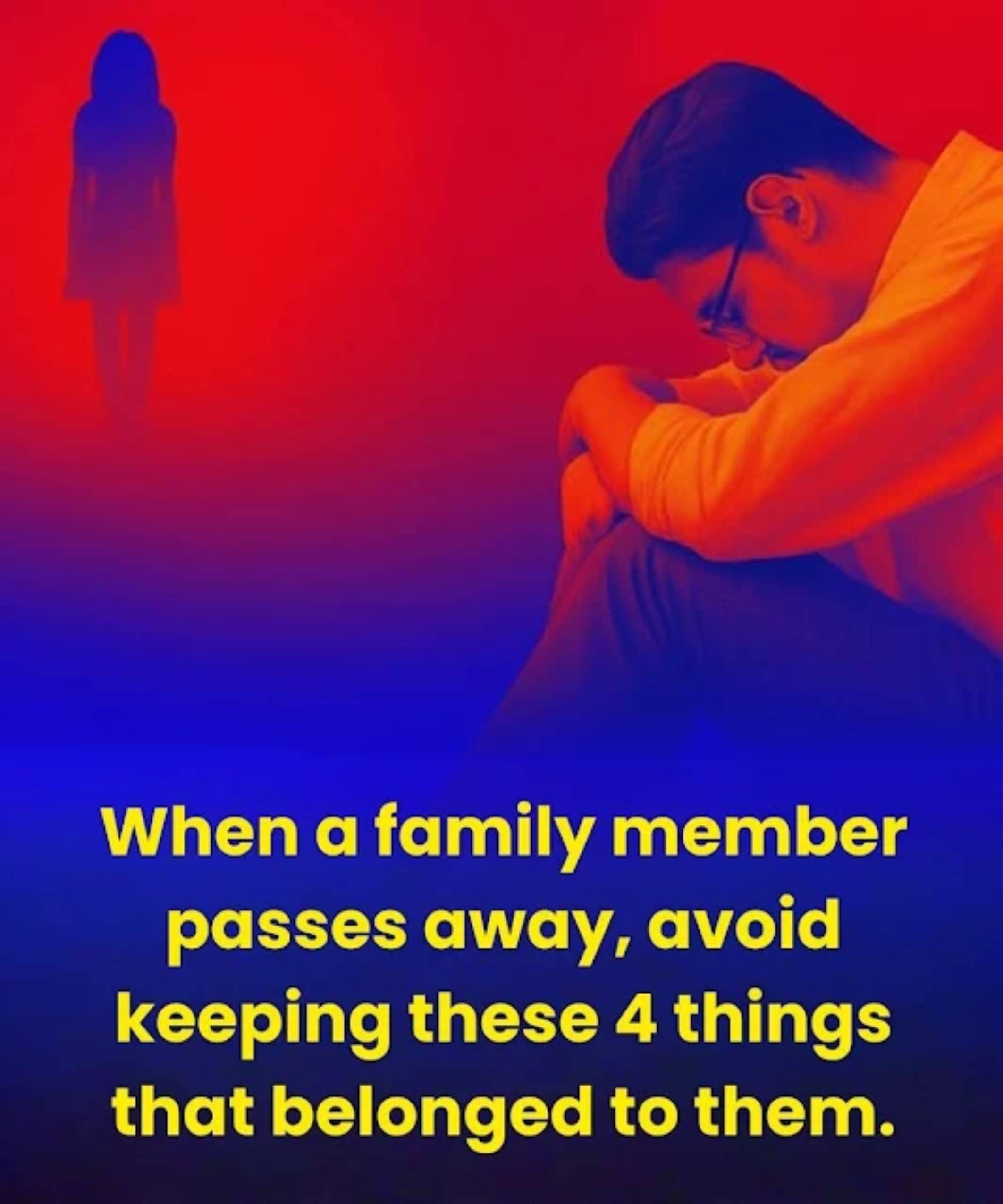
Here are four things you should consider not keeping—or at least, not keeping indefinitely.
1. Stopped Clocks and Watches
There's something poetic about a clock that stopped at the exact moment someone died. It feels like fate, like the universe pausing to mark the passing of a soul. In stories, it's beautiful. In your home, it can be something else entirely.
Why they're problematic:
A stopped clock is a frozen moment. Every time you glance at it, you're pulled back to that specific instant—the death, the loss, the before-and-after. It becomes a gravitational anchor to the worst moment of your life.
What happens over time:
You stop noticing it consciously, but your subconscious never stops marking it. That frozen time becomes a background radiation in your home, subtly reinforcing the message that life stopped there. But life didn't stop. It changed, painfully and permanently, but it continued.
What to do instead:
Photograph it. The image preserves the symbolism without the weight.
Repair it and keep it running. A working clock honors continuity, not cessation.
Pass it to someone outside the immediate family. A cousin, a friend—someone who will appreciate it without the daily visual reminder of loss.
If you must keep it, move it. A stopped clock in a private space (a drawer, a memory box) carries less emotional weight than one on the wall you pass fifty times a day.
2. The Contents of Their Medicine Cabinet
This one is practical, not just emotional. In the raw early days, it feels wrong to touch their things—especially the intimate items they used daily. But here's the hard truth: expired medications, half-used bottles, and personal medical supplies are not keepsakes.
Why they're problematic:
Safety risk: Expired medications can degrade into toxic compounds. Pills can be accidentally ingested by children or pets. Old prescriptions can be misused.
Emotional trap: Every time you open that cabinet, you're confronted with the reality of their illness, their pain, their final days. It keeps you in the role of caregiver, not mourner.
Practical burden: Eventually, someone will have to deal with this. The longer it waits, the harder it becomes.
What to do instead:
Dispose of medications properly. Many pharmacies offer take-back programs. Never flush unless specifically instructed.
Keep one meaningful item. A single prescription bottle with their name on it, emptied and cleaned, can be a small memorial. A dozen half-used bottles is a pharmacy of pain.
Ask someone else to do it. If you can't face this task, ask a trusted friend or another family member. They can remove the items, photograph anything significant, and spare you the daily confrontation.
3. Their Scent (The Unwashed Clothing Dilemma)
This is the hardest one. Scent is our most primal sense, most tightly linked to memory and emotion. A shirt that still smells like them can feel like being held one more time. In the early days, it's a lifeline.
Why it becomes problematic:
