
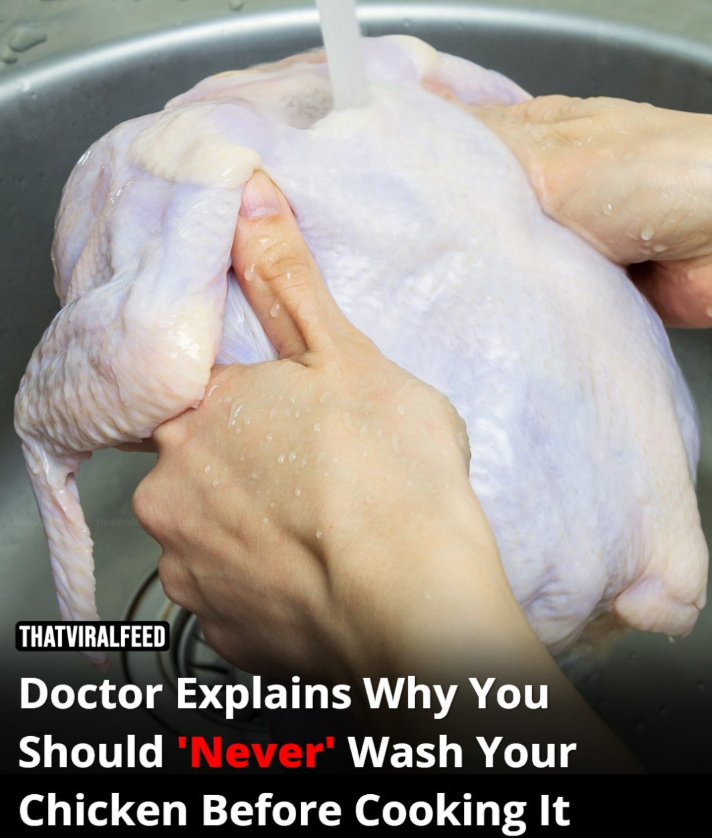
The safest and most effective way to eliminate harmful bacteria in chicken is proper cooking.
Chicken should always reach an internal temperature of 165°F (74°C). At this temperature, dangerous pathogens such as Salmonella are destroyed.
Using a food thermometer is the most reliable way to ensure chicken is fully cooked.
Safe Ways to Handle Raw Chicken
Instead of washing chicken, follow these food safety practices to keep your kitchen clean and safe.
1. Skip the Washing Step
Do not rinse raw chicken under water.
2. Use Separate Cutting Boards
Keep one cutting board for raw meats and another for vegetables or ready-to-eat foods.
3. Wash Hands and Surfaces
After handling raw chicken, wash your hands thoroughly with hot, soapy water. Clean and sanitize all surfaces and utensils that came into contact with the meat.
4. Store Chicken Properly
Keep raw chicken sealed in a container and store it on the lowest shelf of the refrigerator to prevent juices from dripping onto other foods.
Cultural Traditions and Chicken Washing
In many cultures, washing chicken is a traditional step before cooking. Some people use ingredients like vinegar or lemon juice, believing they help remove bacteria.
While these ingredients can change flavor or smell, they do not effectively eliminate harmful bacteria and may still cause contamination through splashing.
