
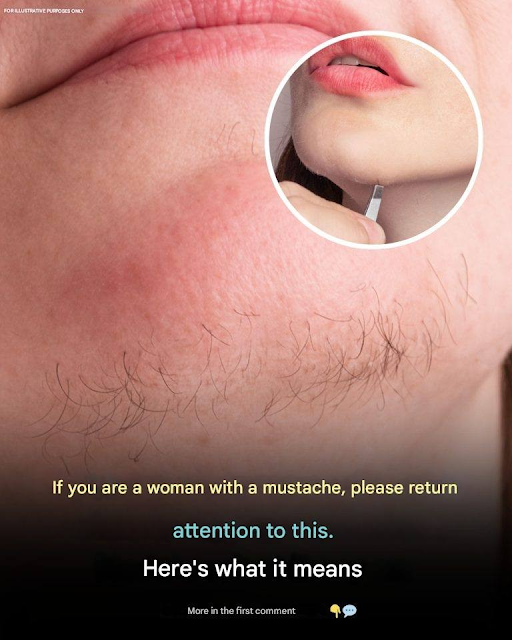
Increased facial hair
Thinning scalp hair
Changes in skin texture
Many women are surprised to suddenly notice darker or coarser chin hairs in their 40s, 50s, or later.
This is extremely common.
Genetics Matter More Than Many Realize
Genetics strongly influence hair growth patterns.
Some women naturally grow more facial hair than others because of inherited traits.
This may depend on:
Family history
Ethnic background
Hair follicle sensitivity
For example, women from Mediterranean, Middle Eastern, South Asian, or Hispanic backgrounds may naturally experience more visible facial hair compared to women from other populations.
This does not automatically indicate a medical problem.
When Chin Hair May Be Linked to a Medical Condition
Although chin hair is often normal, excessive or sudden facial hair growth can sometimes be associated with hormonal disorders.
One of the most well-known conditions linked to increased facial hair is:
Polycystic Ovary Syndrome (PCOS)
Polycystic Ovary Syndrome
PCOS is a hormonal condition that affects many women of reproductive age.
Common symptoms may include:
Irregular periods
Acne
Weight changes
Fertility difficulties
Increased facial or body hair
The increased hair growth occurs because PCOS often involves elevated androgen activity.
However, chin hair alone does not mean someone has PCOS.
Doctors typically look at multiple symptoms and may perform blood tests or imaging before making a diagnosis.
Other Possible Hormonal Causes
Other medical conditions that can sometimes contribute to increased facial hair include:
Thyroid disorders
Hormonal imbalances related to thyroid function may affect hair growth patterns.
Adrenal gland disorders
Rare conditions affecting hormone production can increase androgen levels.
Certain medications
Some medications may stimulate hair growth as a side effect.
Insulin resistance
Metabolic conditions may indirectly influence hormone balance.
Again, occasional chin hairs are common and not automatically a sign of illness.
Stress and Hormonal Changes
Chronic stress can influence hormone regulation in the body.
Stress affects:
Cortisol levels
Sleep quality
Hormonal balance
Menstrual cycles
While stress alone is unlikely to suddenly create dramatic facial hair growth, it can contribute to broader hormonal fluctuations that may influence hair patterns over time.
The Emotional Side of Facial Hair
For many women, chin hair is not just a cosmetic issue—it can become an emotional one.
Social expectations surrounding female appearance often create embarrassment or shame about natural body changes.
Many women feel pressure to:
