
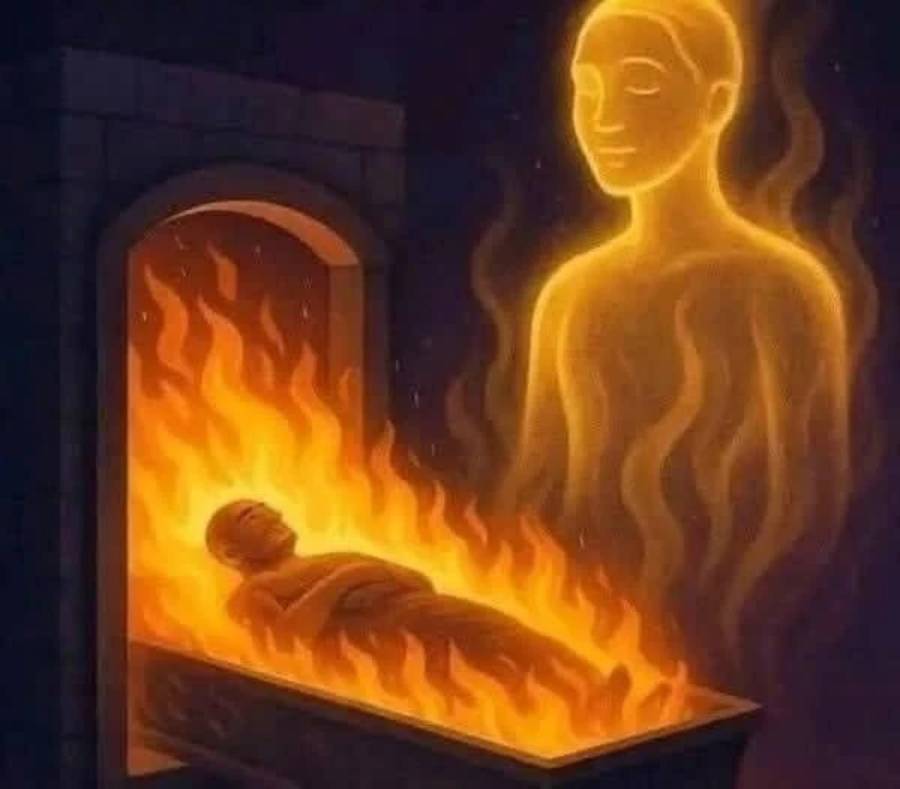
Cremation has become an increasingly common choice in recent decades, especially in the Western world. Cultural shifts toward practicality, affordability, and environmental awareness have influenced families to see it as a viable alternative to traditional burial.
But for many Christians, a deeper question lingers: Is cremation a sin according to the Bible?Christianity
This question sparks honest debate because faith, tradition, and scripture shape how believers view the treatment of the body after death. Let's explore what the Bible actually says—and doesn't say—about cremation.
What the Bible Actually Says
The short answer: The Bible does not explicitly forbid cremation. No direct commandment instructs believers to avoid burning the body.
Not once in Scripture does God say, "Thou shalt not cremate." The absence of a specific prohibition is significant—and often surprising to those who've heard otherwise.
Burial in Scripture: The Pattern, Not a Command
Burial was indeed the most common practice in biblical times. We see this throughout both Old and New Testaments:Religious traditions books
Abraham purchased the cave of Machpelah to bury Sarah (Genesis 23)
Jacob and Joseph were both buried (Genesis 50)
Moses was buried by God Himself (Deuteronomy 34)
Jesus was placed in a tomb (Matthew 27)
But notice: burial is described, not commanded. The Bible records what people did—it doesn't always prescribe what people must do.
Burial carried cultural and practical significance in the ancient Near East. It honored the dead, preserved family identity, and reflected hope in resurrection. For these reasons, burial became the normative practice for God's people.
But normative isn't the same as mandatory.
Instances of Burning in Scripture
There are a handful of cases where bodies were burned in the Bible—and none of them set a moral precedent against cremation:
Achan and his family were stoned and then burned as part of God's judgment on Israel (Joshua 7:25). This was punishment, not normal burial practice.
The men of Jabesh-Gilead burned the mutilated bodies of Saul and his sons before burying the bones (1 Samuel 31:12-13). This was likely a practical measure to prevent further desecration by enemies.
Certain kings of Judah were burned with spices in their funerals—a mark of honor, not disgrace (2 Chronicles 16:14, 21:19).
These examples show that burning wasn't universally forbidden. Context matters.
Why Christians Historically Preferred Burial
Given the biblical silence on cremation, why did the church oppose it for so long?
1. The Body as Sacred
Christianity inherited from Judaism a high view of the body. Unlike some Greek philosophies that saw the body as a prison for the soul, Christians believed the body was created by God, inhabited by the Spirit, and destined for resurrection.
