
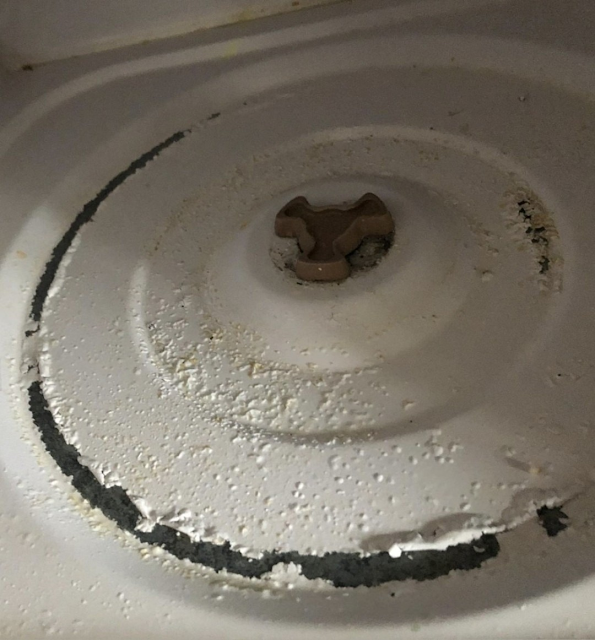
You open your microwave door to reheat leftovers, and something looks… off. The once-smooth interior walls now have bubbles, blisters, or patches where the coating is peeling away. Maybe you even notice small flakes coming loose.
At first, it might seem like a minor cosmetic issue. But over time, the problem gets worse, and you start to wonder:
Is my microwave still safe to use? Why is this happening? And how do I fix it?
If you’ve experienced this, you’re not alone. Bubbling and peeling inside a microwave is a surprisingly common issue—and it’s usually caused by a combination of heat, moisture, and wear over time.
Let’s break down exactly what’s going on, what it means for your appliance, and what you can do about it.
What You’re Seeing: Bubbling and Peeling Explained
The inside of most microwaves is coated with a special protective layer—usually made of enamel or a similar heat-resistant paint. This coating serves several important purposes:
It protects the metal underneath from rust
It reflects microwave energy safely
It makes cleaning easier
It prevents food from sticking
When this coating starts to bubble or peel, it means that something has compromised its integrity.
The bubbles you see are typically areas where the coating has lifted away from the metal surface beneath it. Eventually, these bubbles can burst or flake off, exposing the raw metal underneath.
The Real Reasons Behind the Problem
There isn’t just one cause—this issue usually develops over time due to multiple factors. Here are the most common reasons:
1. Moisture and Steam Buildup
Microwaves generate a lot of steam, especially when heating foods with high water content. Over time, moisture can seep into tiny cracks or imperfections in the interior coating.
When the microwave heats up, that trapped moisture expands, creating pressure beneath the surface. This leads to bubbling and eventual peeling.
2. Food Splatter and Residue
If food splatters aren’t cleaned promptly, they can harden and bond to the surface. When reheated, these residues can overheat and damage the coating.
Grease and acidic foods (like tomato sauce) are especially problematic. They can gradually weaken the protective layer, making it more prone to peeling.
